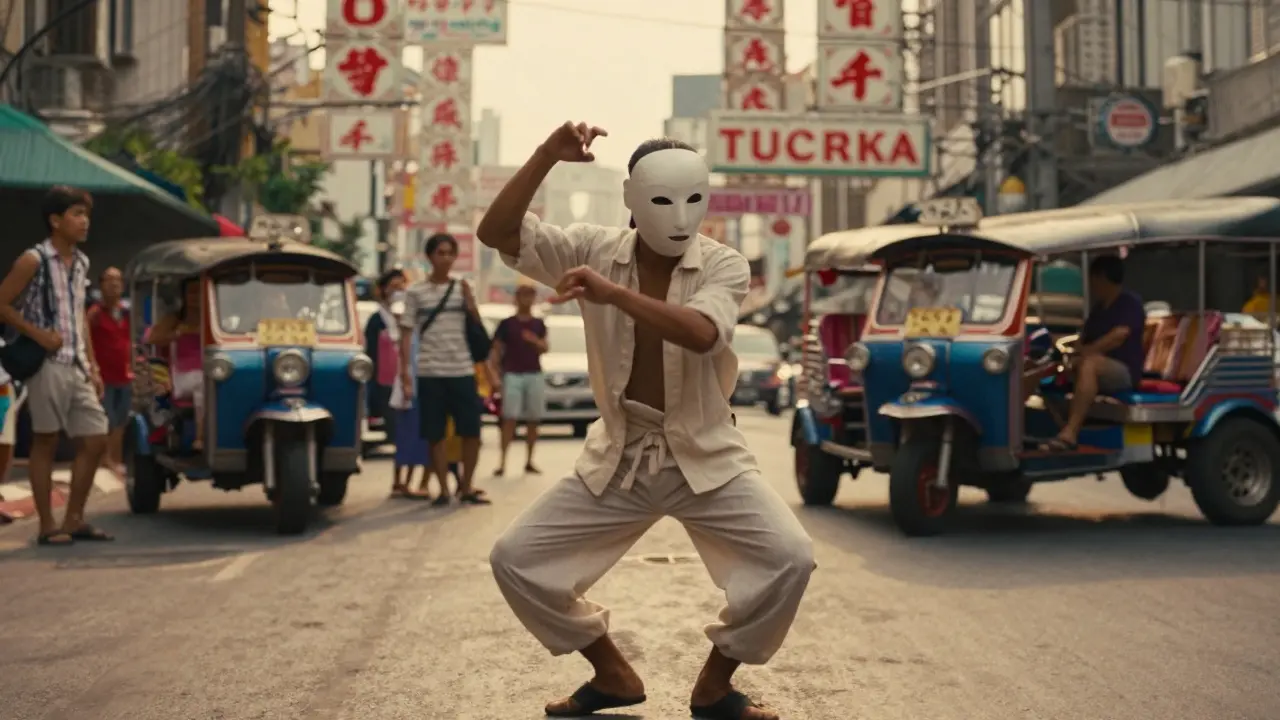
There is a strange gap in the collective memory of anyone who has spent time wandering the streets of Bangkok is the vibrant capital city of Thailand known for its bustling streets, diverse culture, and dynamic nightlife scene. You remember the neon lights. You remember the smell of lemongrass and exhaust fumes mixing in the humid air. But if you ask someone from the late 90s or early 2000s about "Stickman," they might pause. They might squint. They might tell you it was just a nickname for a group of dancers, or a specific club act that burned out fast. So, what actually happened to Stickman Bangkok? Did he vanish? Did he retire? Or did the legend simply get swallowed by the relentless churn of the city itself?
To understand where Stickman went, we first have to pin down who-or what-Stickman actually was. This isn't a question with a single Wikipedia page answer. In the context of Thai entertainment history, "Stickman" usually refers to one of two things: either a highly skilled, anonymous stick-fighting performer (often involving Kwailai, traditional bamboo staff fighting) who became a fixture in certain tourist-heavy areas, or a stylized dance troupe that used rigid, robotic movements reminiscent of marionettes. Most locals will tell you it was the latter-a performance style that captivated foreign tourists before social media changed how we consume street entertainment.
The Rise of the Performance Scene
In the mid-1990s, Bangkok’s nightlife was less curated than it is today. It was raw, chaotic, and incredibly open. Performers didn’t need permits to set up near major intersections like Silom or Sukhumvit as long as they kept moving. This era birthed several iconic acts. Stickman emerged during this period, likely drawing inspiration from both traditional Thai puppetry (Nang Yik) and the emerging global trend of mechanized dance styles seen in music videos.
The appeal was immediate. Tourists loved the contrast between the fluid, graceful movements of traditional Thai dance and the sharp, angular stops of the Stickman routine. It was visually striking. It required immense physical control. And because the performers often wore masks or minimal makeup, there was an air of mystery around them. Who were these people? Where did they learn this? The anonymity added to the allure.
However, this success came with vulnerabilities. Because these acts were informal, they operated in a legal gray area. Authorities frequently cracked down on street performances, citing noise ordinances or obstruction of traffic. Many groups had to relocate constantly, hopping from one district to another to avoid being shut down. This instability meant that records of their existence were rarely kept. There were no official contracts, no press releases, no archived footage-just word of mouth and the memories of travelers.
The Shift in Urban Dynamics
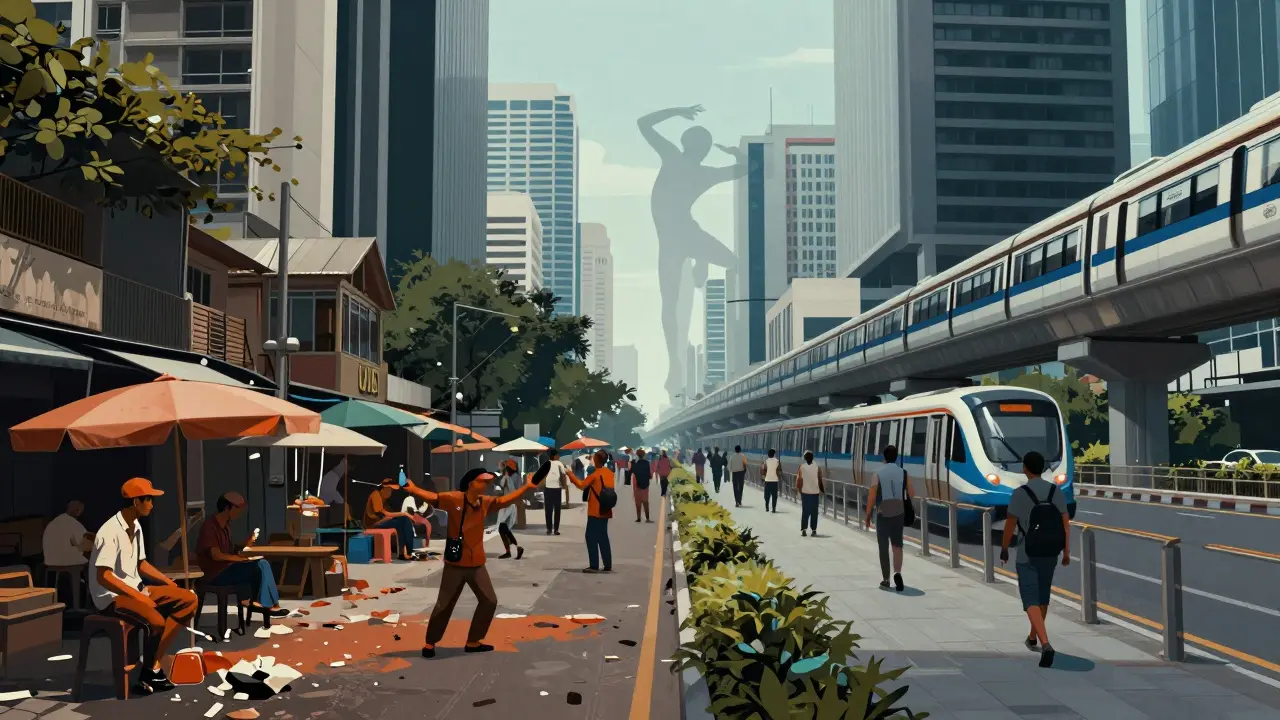
By the early 2010s, Bangkok began to transform rapidly. The government invested heavily in infrastructure, including the expansion of the BTS Skytrain and MRT subway systems. While this made getting around easier, it also formalized public spaces. Areas that once tolerated spontaneous street performances became strictly regulated zones. Pedestrian walkways were widened, but designated performance spots were limited to specific festivals or licensed venues.
This shift hit independent acts hard. Groups like Stickman couldn’t compete with the rising costs of securing permits or renting small stages in malls. Many members left the industry entirely, seeking more stable employment in tourism-related sectors such as hospitality or retail. Others transitioned into teaching traditional arts at cultural centers, shedding the flashy "Stickman" persona for a more academic approach.
Additionally, the rise of digital media changed audience expectations. People no longer needed to stumble upon a performance by chance; they could watch polished routines online anytime. The novelty of seeing something unique on the street diminished when similar content was available on YouTube or TikTok. For a group relying on surprise and immediacy, this was a fatal blow.
Where Are They Now?
If you’re looking for the original Stickman performers today, you won’t find them patrolling the sidewalks. That version of the act ceased to exist around 2015-2016. However, elements of their style live on. Some former members reportedly joined larger production companies that stage shows for hotels and resorts across Thailand. These productions blend traditional techniques with modern choreography, offering a sanitized but professional experience for visitors.
Others have moved abroad. A few individuals connected to the original troupe have been spotted performing in Europe and North America, adapting their act to fit international circuits. They often rebrand themselves under new names, distancing from the "Stickman" label which carries associations with the unregulated past.
For those interested in experiencing similar art forms, I recommend exploring legitimate cultural venues rather than searching for ghostly echoes on the street. Places like the Siam Niramit show offer high-quality interpretations of Thai movement arts. If you want to dive deeper into the underground scene, checking resources like Bangkok escort directories might reveal hidden gems, though caution is advised when navigating unofficial networks.
Preserving the Legacy
The disappearance of Stickman Bangkok highlights a broader issue facing urban cultures worldwide: the tension between authenticity and commercialization. As cities grow richer and more organized, they often lose the gritty, unpredictable charm that attracts creative talent in the first place. Yet, this doesn’t mean the art dies-it evolves.
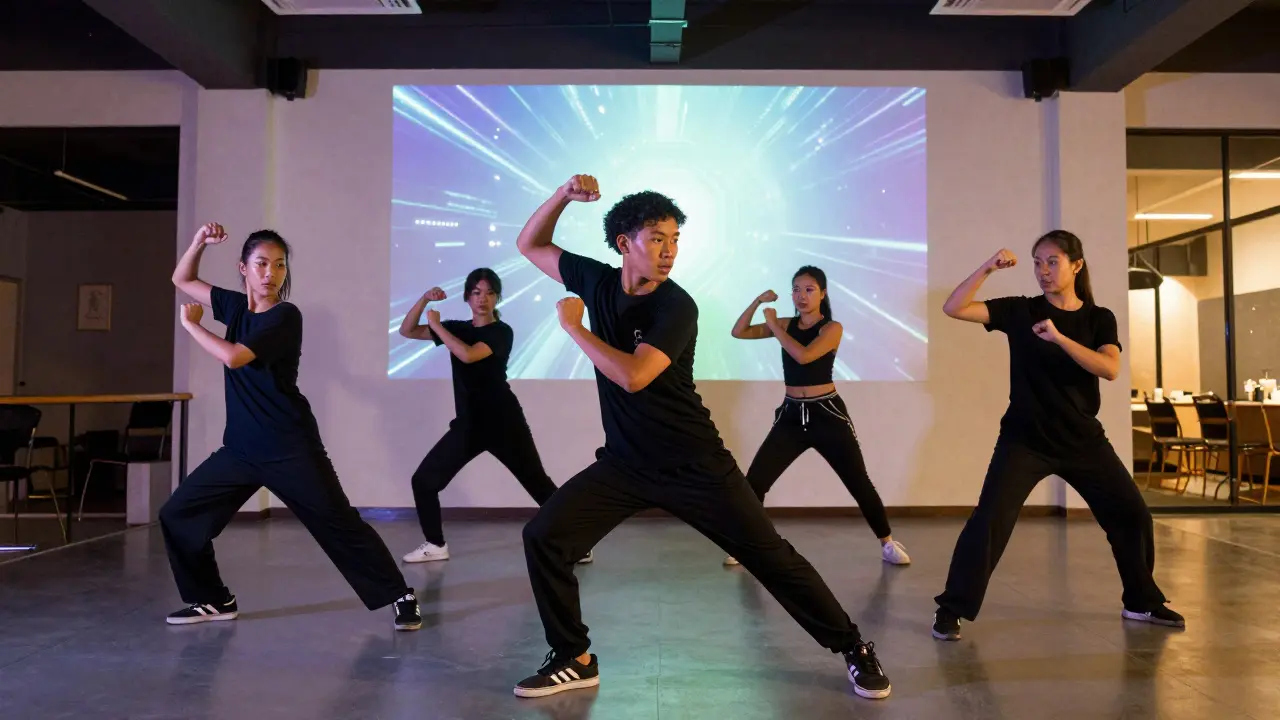
Today, young Thai artists are experimenting with hybrid styles that combine traditional martial arts, contemporary dance, and digital projection mapping. They aren’t called Stickman, but they carry the same spirit of innovation and defiance against static norms. If you visit Bangkok now, look beyond the main tourist traps. Visit local community centers, attend university showcases, or explore indie theater groups. You’ll find the next generation of performers pushing boundaries in ways the original Stickman team could only dream of.
Understanding what happened to Stickman requires accepting that some legends fade not because they failed, but because the world moved on. Their legacy lives on in every dancer who dares to move differently, in every traveler who seeks out the unexpected, and in every city that continues to reinvent itself despite the odds.
How to Find Similar Experiences Today
While the original Stickman act is gone, you can still find captivating street performances in Bangkok if you know where to look. Here are a few tips:
- Visit Chinatown (Yaowarat): On weekends, especially during Lunar New Year or other festivals, the streets come alive with lion dances, acrobats, and musicians. Look for smaller, independent troupes operating near Mahakan Fort Road.
- Check Out Khao San Road: Though heavily touristic, this area still hosts buskers and impromptu acts. Keep an eye out for fusion performances blending Western and Eastern styles.
- Explore Thonburi Side: Cross the river to the quieter west bank. Neighborhoods like Talat Noi sometimes host pop-up art events featuring experimental dance and theater.
- Follow Local Social Media Accounts: Pages dedicated to Bangkok’s underground culture often announce flash mobs or guerrilla performances. Engage with these communities respectfully and support the artists directly.
Remember, the magic of street performance lies in its spontaneity. Don’t expect a scheduled showtime. Instead, wander without purpose, stay alert, and let curiosity guide you. You might just catch a glimpse of the future of Thai movement arts unfolding right before your eyes.
Who was Stickman Bangkok originally?
Stickman Bangkok referred to a group of street performers active in the late 1990s and early 2000s. They specialized in a unique style combining traditional Thai puppetry movements with robotic, mechanized dance. The exact identities of the founders remain unclear due to the informal nature of their work.
Why did Stickman Bangkok disappear?
Several factors contributed to their decline: increased regulation of street performances, competition from digital media, and changing urban dynamics in Bangkok. As the city modernized, opportunities for informal acts dwindled, forcing many performers to seek alternative careers.
Can I still see Stickman-style performances in Bangkok?
Not exactly. The original group disbanded over a decade ago. However, similar styles can be found in cultural shows like Siam Niramit or through younger artists experimenting with hybrid dance forms at local theaters and festivals.
Is Stickman related to any famous Thai dancers?
There are no confirmed connections to nationally recognized dancers. Stickman operated primarily within the informal street economy, catering mainly to tourists rather than participating in mainstream cultural institutions.
Where should I go to see authentic Thai street performances?
Try visiting Yaowarat (Chinatown) during festivals, Khao San Road for eclectic buskers, or Thonburi neighborhoods like Talat Noi for indie art events. Always respect performers’ space and consider tipping if you enjoy their work.
Did Stickman ever release any recordings?
No official recordings exist. Any videos circulating online are likely amateur footage taken by tourists. Without formal documentation, much of their repertoire remains lost to time.
Are there any books or documentaries about Stickman?
Currently, there are no published works specifically focusing on Stickman Bangkok. Their story survives mostly through oral histories shared among longtime residents and frequent visitors.
What role did tourism play in Stickman's popularity?
Tourism was central to their success. Foreign visitors were fascinated by the unfamiliar movement style, creating demand for live demonstrations. This reliance on transient audiences made them vulnerable to shifts in travel trends and economic conditions.
How does Stickman compare to other Thai street acts?
Unlike traditional musicians or magicians, Stickman focused purely on visual storytelling through body movement. Their minimalist approach stood out against louder, more interactive acts common in busy districts.
Could Stickman make a comeback?
Unlikely in its original form. Modern regulations and market saturation make reviving an old street act difficult. However, inspired reinterpretations by new generations keep the essence alive.
Write a comment