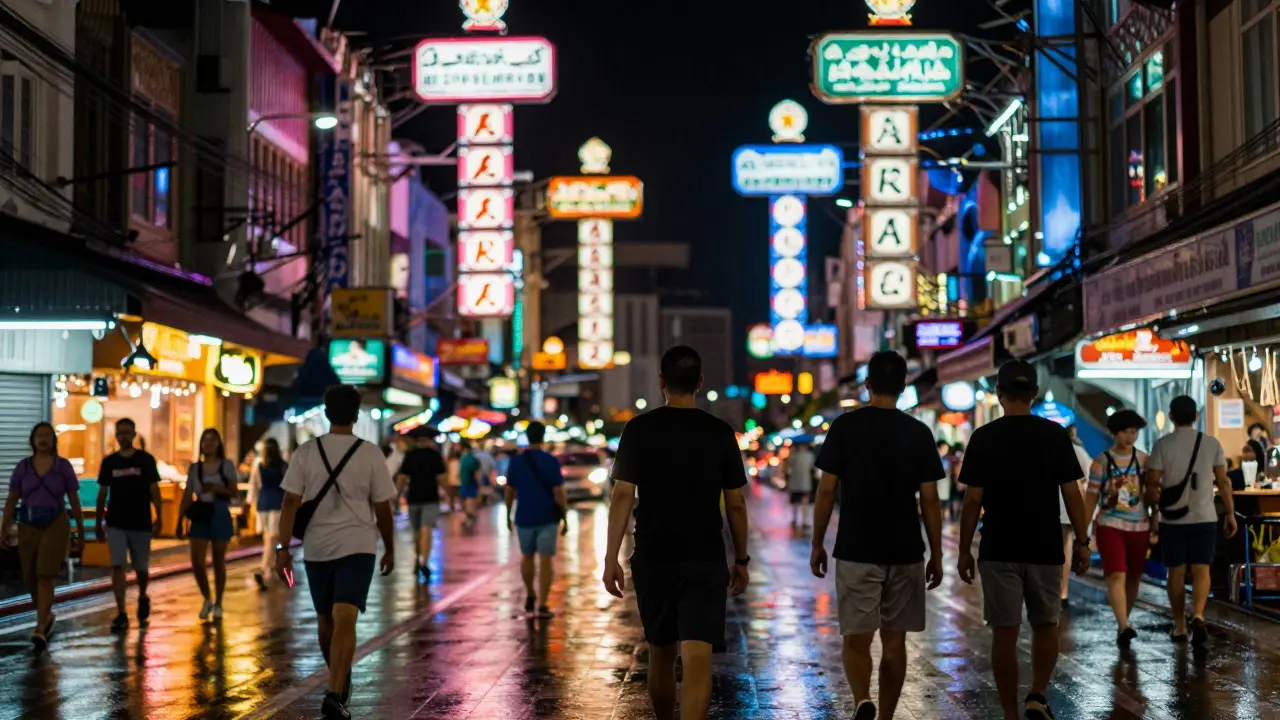
You’ve seen the neon signs flashing in Pattaya or Phuket. You’ve heard friends whisper about the experience on long-haul flights. The term Thai soapy massage comes up often in travel forums, but what is it actually like? Is it a relaxing spa treatment, or something else entirely? Understanding the reality behind this popular tourism activity is crucial for any traveler visiting Southeast Asia.
For many tourists, the allure of a soapy massage stems from a desire for relaxation combined with curiosity about local culture. However, there is a significant gap between marketing materials and on-the-ground experiences. Some establishments operate as legitimate wellness centers offering hydrotherapy and foam massages, while others use the guise of a massage parlor to facilitate adult services. Knowing the difference can save you from awkward situations, unexpected bills, or even legal trouble.
Understanding the Concept
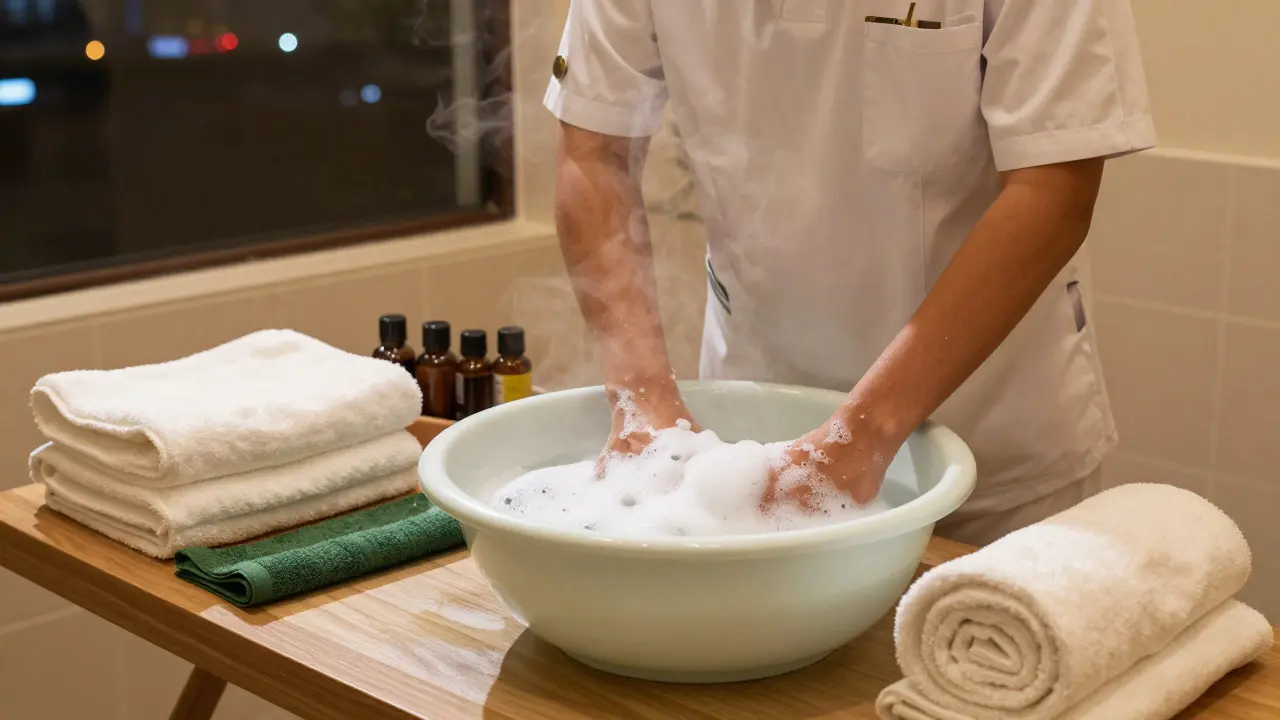
A traditional Thai massage focuses on acupressure, stretching, and energy lines (Sen lines) to relieve tension. It is usually performed on a mat on the floor, fully clothed. A soapy massage, by contrast, takes place in a wet environment. Clients typically wear swimwear or are provided with towels. The therapist uses warm water, soap, and sometimes foam to cleanse and massage the body. This technique is often marketed as a "bubble bath" experience or hydrotherapy.
The sensory experience is distinct. The slippery nature of the soap allows for long, gliding strokes that differ significantly from the deep pressure of a traditional Thai massage. Many people find the warmth of the water and the scent of essential oils genuinely soothing. It can be an effective way to cool down after a day of sightseeing in humid weather. However, the line between therapeutic and erotic is thin in certain parts of Thailand’s tourism industry.
Is a soapy massage the same as a traditional Thai massage?
No. Traditional Thai massage involves dry, firm pressure and stretching on a mat. Soapy massage is wet, slippery, and focuses on cleansing and light manipulation using water and foam.
Legitimate Spas vs. Adult Entertainment
This is the most critical distinction for travelers to make. In major tourist hubs like Bangkok, Pattaya, and Phuket, the nightlife scene is vibrant and diverse. Legitimate spas adhere to strict hygiene standards, employ certified therapists, and maintain professional boundaries. They often require appointments and have clear pricing structures displayed openly.
On the other hand, some venues cater specifically to those seeking adult companionship. These places may advertise soapy massages as a cover for escort services. If you encounter aggressive touts on the street, see scantily clad staff outside, or notice vague pricing with no written menu, proceed with caution. In these scenarios, the service offered might not be a massage at all. For instance, if you are looking for high-end companionship rather than a spa treatment, you might find listings for a Bangkok escort, which is a completely different industry with its own set of norms and risks.
It is important to understand that soliciting prostitution is illegal in Thailand, although enforcement varies. Tourists who inadvertently cross into illegal territory can face fines, detention, or deportation. Always choose establishments with good reviews on reputable travel platforms, not just niche adult sites. Look for keywords like "wellness," "hydrotherapy," or "spa" rather than ambiguous terms.
Safety and Hygiene Concerns
Hygiene is paramount in any wet environment. Reusable towels, clean basins, and fresh soap are non-negotiable. In lower-budget or unregulated venues, the risk of skin infections, fungal issues, or sexually transmitted infections (STIs) increases. Always inspect the facility before committing. Does it look clean? Are the therapists wearing masks or gloves where appropriate? Is the water clear?
Personal safety also extends to your belongings. Keep your phone, wallet, and passport in a secure locker or with a trusted friend. Do not leave valuables in the changing room. Additionally, be aware of your surroundings when walking to and from the venue, especially at night. Stick to well-lit streets and use registered taxis or ride-sharing apps like Grab instead of accepting rides from random drivers.
Navigating the Nightlife Scene
Thailand’s nightlife is famous worldwide, offering everything from rooftop bars to beach clubs. The soapy massage industry sits within this broader ecosystem. In areas like Patong Beach in Phuket or Walking Street in Pattaya, the atmosphere is energetic and permissive. Here, the distinction between entertainment and adult services can blur further.
If you are interested in exploring the social side of Thai nightlife, including meeting locals or expats, understanding the context is key. Some travelers seek companionship for dinner or drinks, leading them to search for an escort Bangkok service. While this is a personal choice, it requires discretion and respect for local laws and cultural norms. Always prioritize consent, safety, and legality. Avoid public displays of affection or behavior that could be construed as offensive.
What to Expect During the Session
In a legitimate spa, the session begins with a consultation. The therapist will ask about any injuries, allergies, or preferences. You will change into a provided robe or swimsuit. The room is usually warm and humid to enhance relaxation. The therapist will start by rinsing your body with warm water, then apply soap or foam. The massage itself involves circular motions, long strokes, and gentle kneading. It typically lasts 60 minutes.
Communication is vital. If the pressure is too hard or soft, speak up. Therapists are trained to adjust based on client feedback. At the end of the session, you will rinse off and towel dry. A tip of 10-20% is customary if you enjoyed the service, but it is not mandatory in all establishments. Check if a service charge has already been added to the bill.
Cultural Sensitivity and Respect
Thailand is known as the "Land of Smiles," and hospitality is deeply ingrained in the culture. However, this does not mean anything goes. Respect for local customs is expected. Dress modestly when traveling to and from the spa. Remove shoes before entering indoor spaces. Be polite to staff and avoid haggling aggressively over prices, especially in fixed-price venues.
Remember that sex workers and massage therapists are human beings with rights and dignity. Treat everyone with kindness and respect, regardless of their profession. Discrimination or harassment is unacceptable and can lead to serious consequences. By acting responsibly, you contribute to a positive image for tourists and support ethical businesses.
Alternatives for Relaxation
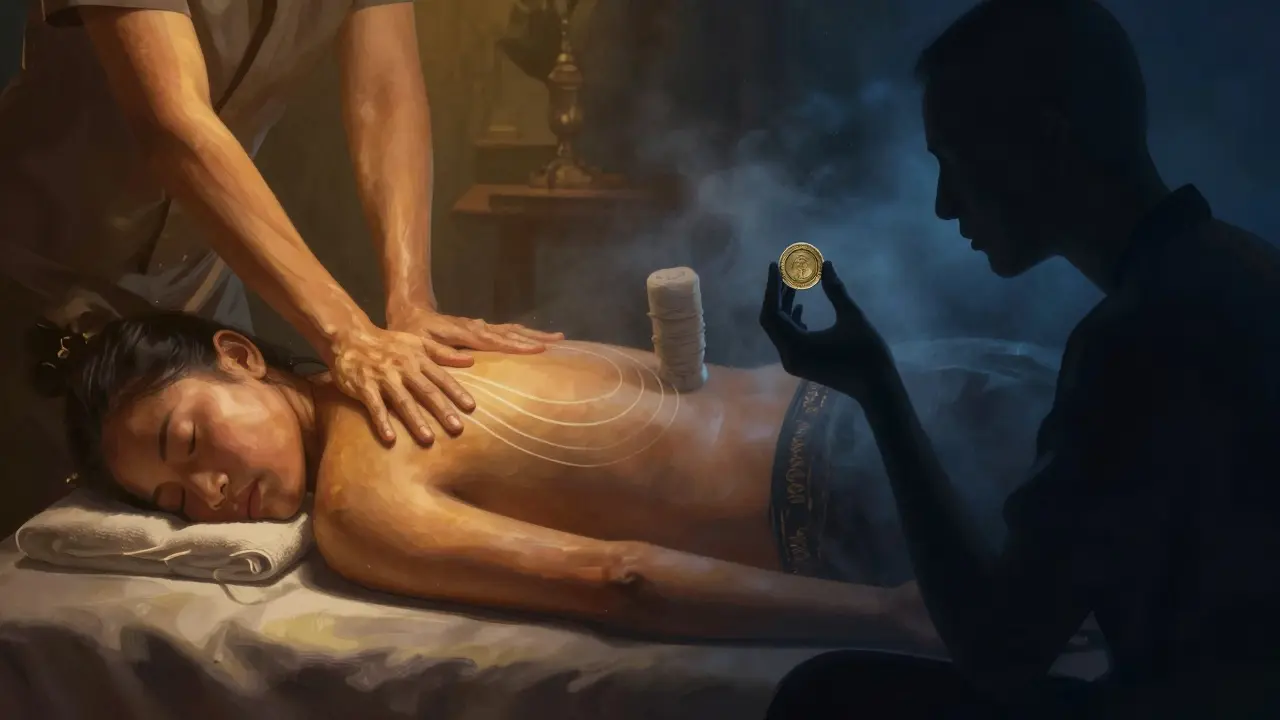
If you are unsure about soapy massages, consider other traditional Thai therapies. Herbal compress massages use heated pouches filled with aromatic herbs to soothe muscles. Foot reflexology targets pressure points in the feet to promote overall health. Both options are widely available, affordable, and culturally authentic. They offer genuine relaxation without the ambiguity associated with wet environments.
Many five-star hotels also offer premium spa packages that include sauna, steam, and massage combinations. These are expensive but guarantee high standards of hygiene and professionalism. For budget-conscious travelers, government-certified spas display a blue sign indicating they meet national quality standards. Look for this symbol when choosing a venue.
Final Thoughts
The world of Thai soapy massage is complex. It offers genuine relaxation for some and questionable services for others. Your experience depends largely on where you go and how you prepare. Research ahead of time, trust your instincts, and prioritize safety. Whether you choose a luxurious hotel spa or a local center, approaching the experience with respect and awareness ensures a memorable and enjoyable trip.
Thailand has much more to offer than nightlife and massages. Explore its temples, beaches, and cuisine. Engage with the local community. By balancing adventure with responsibility, you create lasting memories that extend beyond the spa room. Safe travels!
How much does a Thai soapy massage cost?
Prices vary widely. Budget venues may charge 500-1,000 THB ($15-$30), while luxury spas can cost 2,000-5,000 THB ($60-$150) or more. Always confirm the price before starting.
Are soapy massages legal in Thailand?
Yes, if performed in licensed establishments as a wellness service. However, any sexual activity exchanged for money is illegal. Enforcement can be inconsistent, so caution is advised.
Can I bring my own soap or products?
Most spas provide their own branded products for hygiene and consistency reasons. It is generally not allowed to bring outside items unless pre-approved.
What should I wear to a soapy massage?
You will likely be asked to wear a swimsuit or disposable underwear provided by the spa. Some places allow nudity under a towel, but this depends on the establishment's policy.
Is tipping expected in Thai spas?
Tipping is appreciated but not always mandatory. A small amount (50-100 THB) or 10% of the bill is standard for good service. Check if a service charge is already included.
Write a comment