Understanding the Reality of Thai Soapy Massage
You’ve seen the ads on street corners in Bangkok or Chiang Mai. Bright neon signs promise relaxation, bubble baths, and hands-on attention for a surprisingly low price. The term Thai soapy massage has become shorthand for a specific type of entertainment that sits at the intersection of tourism, nightlife, and gray-area services. But what is it actually? And more importantly, is it safe?
For many travelers, the allure is simple: affordable luxury in a tropical setting. However, the reality is often quite different from the glossy brochures. Understanding what you are signing up for before you walk through the door can save you from embarrassment, financial loss, or worse.
The Difference Between Traditional and Soapy Massage
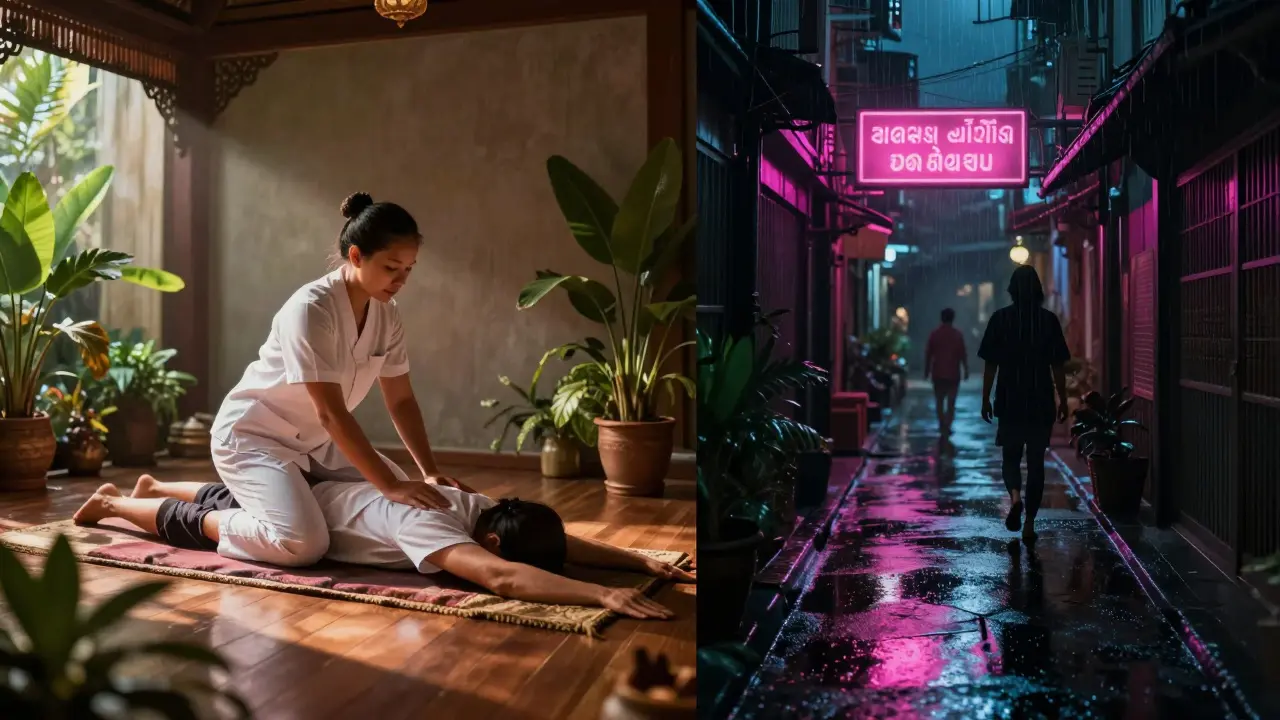
To understand the landscape, you first need to distinguish between legitimate therapeutic practices and commercial entertainment. Traditional Thai massage, known locally as Nuat Thai, is a recognized medical practice in Thailand. It involves stretching, acupressure, and rhythmic compression. Practitioners are trained in anatomy and energy lines (Sen lines). This is a dry massage, usually performed on a mat on the floor.
Soapy massage, on the other hand, is not a traditional healing art. It is a modern commercial service found primarily in tourist-heavy areas like Patpong, Nana Plaza, and parts of Phuket. As the name suggests, it involves soap, water, and often a bathtub or shower area. While some establishments market this as a "relaxing hydro-massage," the primary draw for many clients is the physical intimacy and the potential for additional sexual services, which operate in a legal gray area.
Legitimate spas will never offer a "soapy" experience. If you are looking for genuine relaxation, stick to places with licensed therapists who wear uniforms and operate in clean, well-lit environments. If the menu lists "happy ending" or vague terms like "special treatment," you are entering the world of adult entertainment, not healthcare.
What Actually Happens During the Session?
If you decide to proceed, knowing the structure of the session helps manage expectations. Typically, the process follows a predictable pattern:
- Arrival and Negotiation: You enter the establishment. Prices are rarely posted clearly. You must negotiate the rate upfront. This includes asking about any hidden fees for towels, drinks, or "tips."
- The Setup: You may be led to a private room with a small tub or shower. The atmosphere is usually dimly lit with soft music. Staff may provide alcohol or snacks, but be cautious-drinks can be overpriced or spiked.
- The Service: The massage itself varies wildly by establishment. In some cases, it is a standard oil massage followed by a bath. In others, it involves nudity and manual stimulation. The level of explicitness depends entirely on the venue's reputation and your negotiation skills.
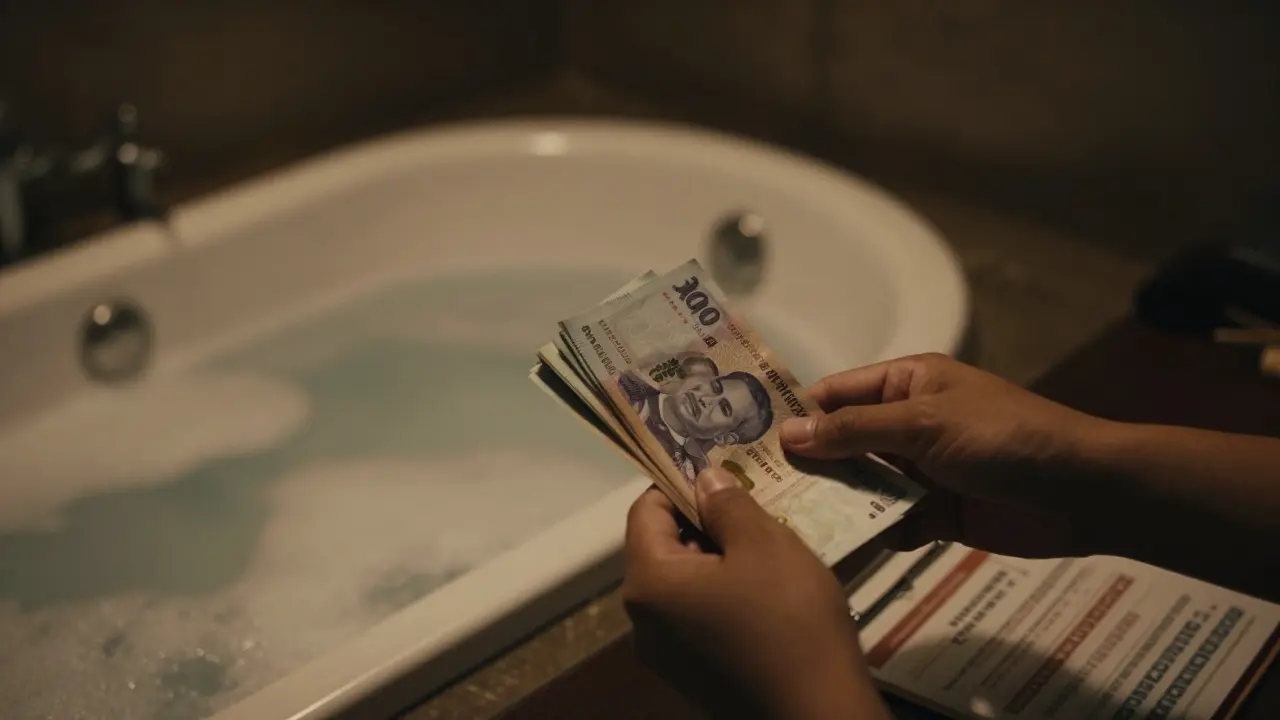
- Payment: Always pay in cash (Thai Baht). Credit cards are rarely accepted in these venues. Ensure you have agreed on the total price before the service begins to avoid disputes later.
It is crucial to remember that while prostitution is technically illegal in Thailand, enforcement is selective. Police raids do happen, especially during crackdowns. Being caught in such an establishment can lead to fines, detention, or deportation.
Safety Risks You Cannot Ignore
Beyond the legal risks, there are significant health and safety concerns. These are not hypothetical; they are documented issues faced by thousands of tourists annually.
| Risk Type | Description | Mitigation Strategy |
|---|---|---|
| Sexually Transmitted Infections (STIs) | High risk due to lack of protection and screening. | Use condoms consistently; carry emergency contraception if applicable. |
| Scams and Overcharging | Inflated bills for drinks or "mandatory" tips. | Agree on all costs verbally and in writing before starting. |
| Theft | Pickpocketing or robbery in isolated rooms. | Leave valuables in your hotel safe; bring only cash needed. |
| Police Raids | Sudden closure and detention of patrons. | Avoid high-profile red-light districts during known crackdown periods. |
One of the most common scams involves the "drink bill." You might agree on a 1,000 Baht fee for the massage, but when the bill comes, it’s 5,000 Baht because you were charged for two sodas and a towel. Refusing to pay can lead to intimidation or threats. Always inspect the drink menu prices before ordering anything.
Cultural Sensitivity and Respect
Thailand is a deeply Buddhist country with strong cultural norms around modesty and respect. Engaging in sex work or visiting adult-oriented venues is viewed negatively by locals. While tourists are generally tolerated in designated areas, displaying arrogance or disrespect can lead to serious social friction.
Many workers in this industry are there due to economic necessity, debt, or trafficking. Treating them with dignity and kindness is essential. Harassment, aggression, or demanding services beyond what was agreed upon is unacceptable and dangerous. Remember, you are a guest in their country. Your behavior reflects on all visitors.
If you encounter situations involving minors, report them immediately to local authorities or international hotlines. Child exploitation is a severe crime and a major issue in Southeast Asia. Never participate in or tolerate any form of child abuse.
Alternatives for Genuine Relaxation
If your goal is true relaxation and stress relief, Thailand offers world-class legitimate spa experiences. Here are some safer, more culturally enriching alternatives:
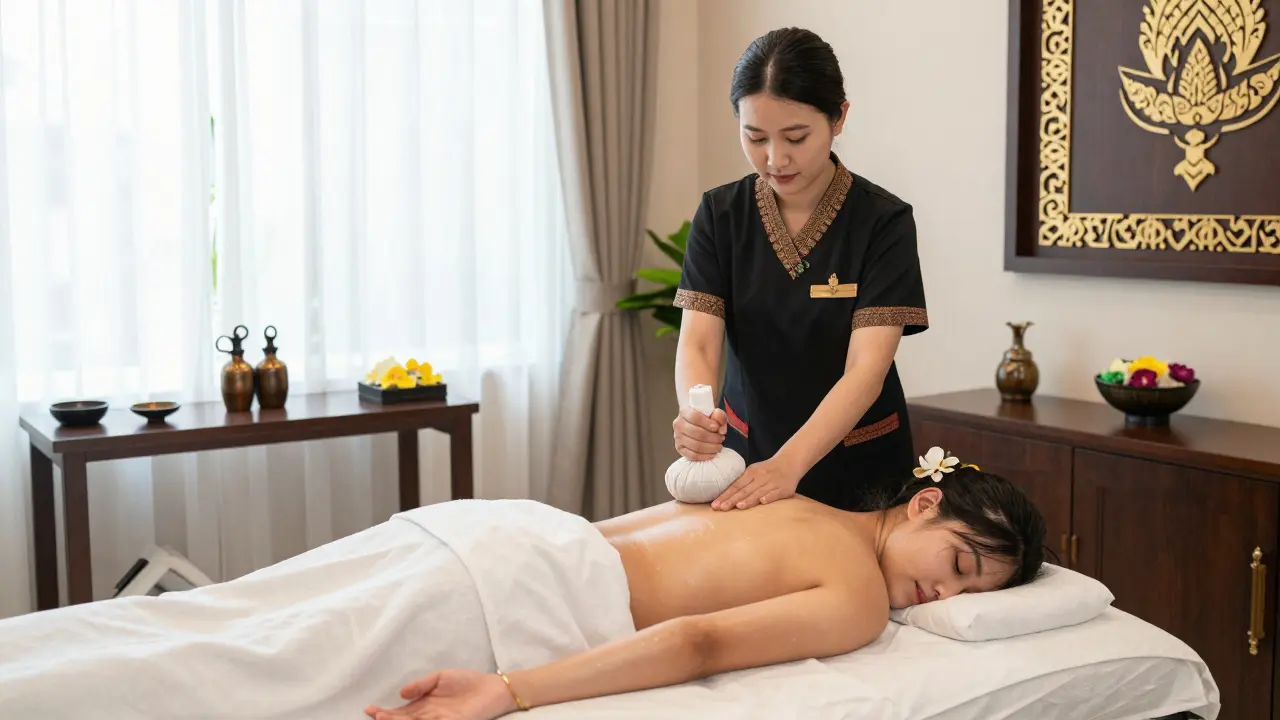
- Traditional Thai Herbal Compress Massage: Uses heated herbal packs to soothe muscles and joints. Widely available in reputable spas.
- Aromatherapy Oil Massage: A gentle, flowing massage using essential oils. Focuses on circulation and calm.
- Foot Reflexology: Stimulates pressure points in the feet to promote overall health. Great after a long day of sightseeing.
- Temple Spa Experiences: Some temples offer meditation and light massage sessions that combine spiritual wellness with physical care.
These options are often priced similarly to soapy massages but provide a hygienic, professional, and culturally respectful experience. Look for spas affiliated with hotels or those recommended by trusted travel guides.
How to Spot a Legitimate Spa vs. a Front
Not every place with a neon sign is illegitimate, but many are. Here’s how to tell the difference:
- Signage: Legitimate spas use clear, professional language. Avoid places with suggestive images, phrases like "girls inside," or flashing lights.
- Staff Appearance: Therapists in real spas wear uniforms and maintain a professional demeanor. Those in front establishments may dress provocatively and approach passersby aggressively.
- Location: Stick to established tourist zones like Sukhumvit Soi 11 (for dining) rather than Patpong or Nana Plaza (known for nightlife).
- Online Reviews: Check platforms like TripAdvisor or Google Maps. Look for reviews mentioning "therapeutic," "clean," and "professional." Be wary of sites with only generic positive comments.
For example, if you're exploring the city's vibrant culture, you might find yourself near areas where both types of services exist. A quick search for Bangkok escort services online often leads to misleading ads that blur the line between legitimate companionship and illegal activities. Always verify the legitimacy of any service provider through independent sources.
Legal and Ethical Considerations
Prostitution is illegal under Thai law, yet it thrives in certain districts due to lax enforcement. This creates a precarious environment for everyone involved. Tourists who engage in these activities risk legal consequences, including fines and imprisonment. More importantly, participating in this industry can inadvertently support human trafficking networks.
Many organizations work to combat trafficking and support survivors. Consider donating to reputable NGOs like Anti-Human Trafficking Foundation or Polaris Project instead of spending money on questionable services. Your vacation dollars can make a positive impact if directed wisely.
Additionally, some countries have laws against citizens engaging in sex tourism abroad. Check your home country’s regulations before traveling. Ignorance is not a valid defense in court.
Practical Tips for Travelers
If you still choose to explore the nightlife scene, here are practical steps to minimize risk:
- Stay Sober: Alcohol impairs judgment. Make decisions when you are clear-headed.
- Keep Copies of Documents: Leave your passport in the hotel safe. Carry a photocopy or digital version.
- Know Emergency Contacts: Save the number of your embassy and local police (191 for general emergencies in Thailand).
- Trust Your Instincts: If a place feels unsafe, leave immediately. No massage is worth your well-being.
- Use Reputable Transport: Use Grab or official taxis to get home. Avoid unmarked vehicles.
Remember, the goal of travel is enjoyment and enrichment. Prioritize experiences that align with your values and safety standards. Whether you’re seeking adventure or relaxation, doing so responsibly ensures a memorable trip without regret.
Is Thai soapy massage legal?
Technically, no. Prostitution is illegal in Thailand, though enforcement varies. Many establishments operate in a legal gray area, offering services that skirt the law. Participating carries legal risks, including fines and detention.
Are there health risks associated with soapy massages?
Yes, significant ones. STIs are a major concern due to inconsistent use of protection. Additionally, hygiene standards in unregulated venues can be poor, increasing the risk of skin infections or other illnesses.
How can I identify a legitimate Thai spa?
Look for professional signage, uniformed staff, and clear pricing. Legitimate spas focus on therapeutic benefits and avoid suggestive marketing. Online reviews from verified users can also help gauge authenticity.
What should I do if I’m scammed at a massage parlor?
Stay calm and try to negotiate politely. If threatened, contact local police (191) or your embassy. Document everything, including receipts and witness statements. Avoid physical confrontation.
Is it safe to visit red-light districts in Bangkok?
It depends on your behavior and awareness. Areas like Patpong are heavily policed but also prone to scams and petty crime. Stay alert, keep valuables secure, and avoid confrontations. For a safer experience, stick to mainstream tourist attractions.
Can I find authentic Thai massage in nightlife areas?
Rarely. Most venues in red-light districts cater to adult entertainment. To find authentic Thai massage, look for spas in residential neighborhoods, shopping malls, or hotels. Websites like escort Bangkok directories often mislead users into thinking they are finding legitimate services, so always verify independently.
Write a comment