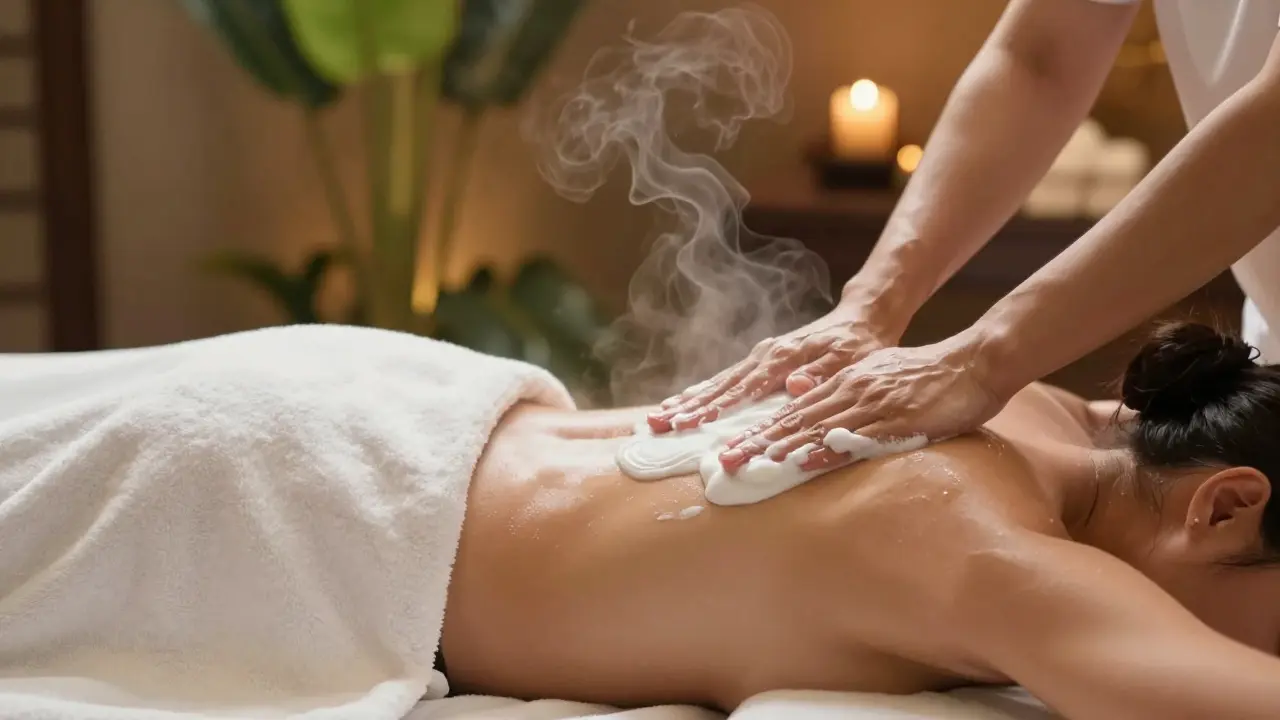
Imagine sliding across a warm, slick surface with zero friction. That’s the core experience of a soapy massage. It’s not just about getting clean; it’s a sensory reset that combines deep tissue work with intense hydration. Whether you’re recovering from a long flight or just want to feel softer than silk, this technique offers a unique blend of relaxation and physical maintenance.
Unlike standard oil massages where the therapist glides over your skin, a soapy session often involves more movement. The soap creates a slip-and-slide effect that allows for broader strokes and easier access to tight muscles. You might find yourself laughing as much as you relax, which is a huge part of the stress-relief benefit. But before you book your first session, there are important things to know about hygiene, technique, and what to expect.
What Exactly Is a Soapy Massage?
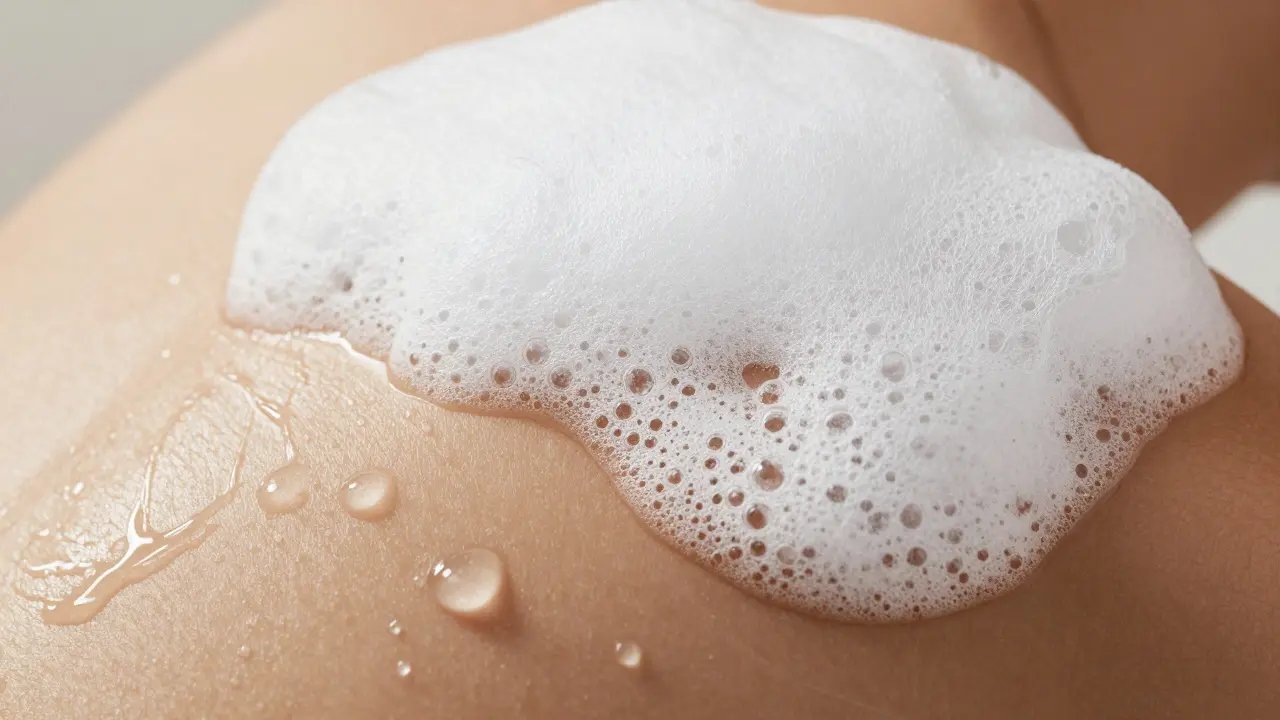
A soapy massage is a therapeutic treatment that uses liquid soap, shower gel, or specialized lather instead of traditional massage oils or lotions. The primary goal is twofold: to exfoliate the skin through mechanical action and to provide muscle relief through the slippery medium.
In many cultures, particularly in Southeast Asia, this practice has roots in communal bathing traditions. Think of the Indonesian *Jamu* baths or the Turkish Hamam experiences. The modern spa version takes these concepts and adapts them for individual wellness. The therapist applies a generous amount of foaming agent to your back, legs, or full body. They then use their hands, forearms, or even feet (in some traditional styles) to knead muscles while the soap breaks down dead skin cells.
The result? Skin that feels incredibly smooth and muscles that release tension without the heavy residue of oil. Afterward, you rinse off, leaving no sticky feeling behind. This makes it a popular choice for people who dislike the greasy aftermath of a standard Swedish massage.
Key Benefits Beyond Clean Skin
You might think the main point is cleanliness, but the benefits go deeper. Here’s why people keep coming back:
- Deep Exfoliation: The combination of water, soap, and pressure acts as a natural scrub. It removes dead skin cells more effectively than most creams, revealing brighter, smoother skin underneath.
- Improved Circulation: The vigorous rubbing required to maintain the lather increases blood flow to the skin’s surface. This can help reduce mild swelling and boost energy levels.
- Muscle Relaxation: The warmth of the water and the soothing nature of the bubbles trigger the parasympathetic nervous system. Your heart rate slows, and cortisol levels drop.
- Sensory Reset: The tactile sensation of sliding on foam is distinct from any other massage type. It provides a novel sensory input that can distract from chronic pain or mental fatigue.
If you have dry or flaky skin, this treatment can be a game-changer. It hydrates the top layer while stripping away the dull outer layer. Just ensure you follow up with a moisturizer if your skin tends to get dry after washing.
How the Session Typically Works
Knowing what to expect helps reduce anxiety. Here is a standard flow for a professional soapy massage:
- Consultation: The therapist asks about allergies, sensitive areas, and pressure preferences. This is crucial because soap can sting open cuts or irritated skin.
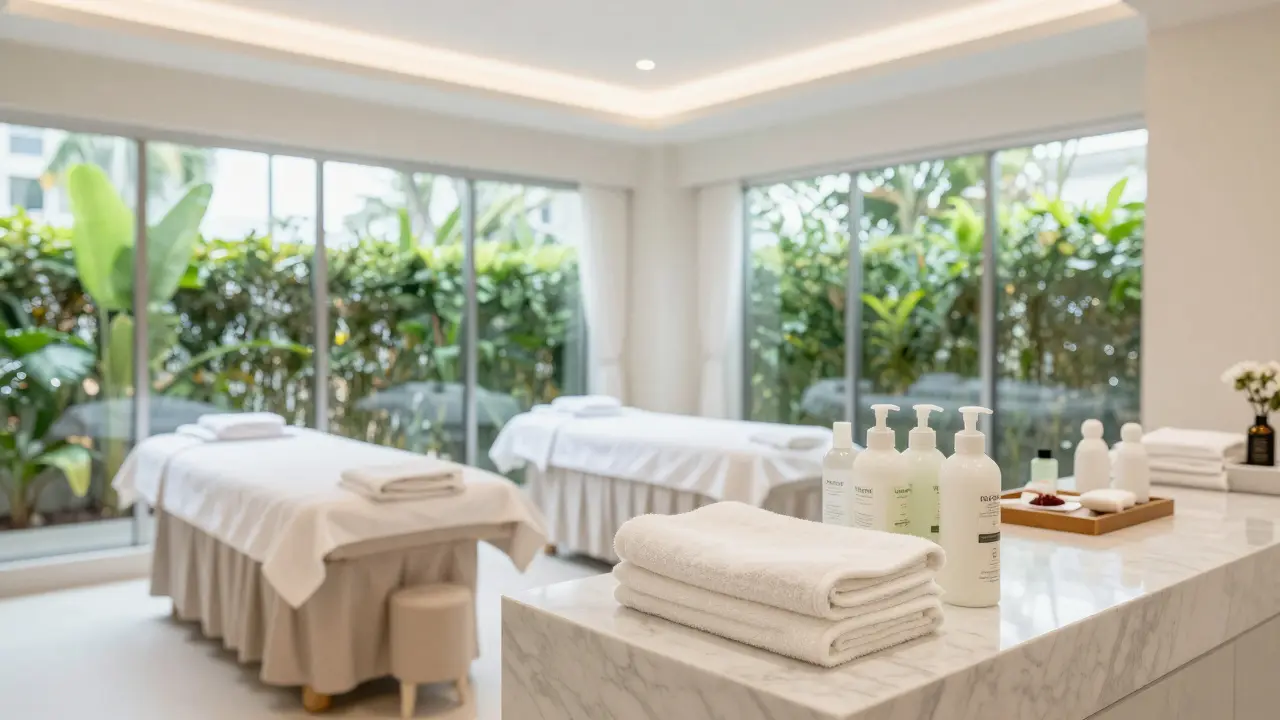
- Preparation: You’ll usually undress to your comfort level and lie on a waterproof mat or in a shallow basin, depending on the facility. Towels are placed strategically for modesty.
- Application: Warm water is poured over your back or limbs. The therapist applies the soap, creating a thick lather. Some places use scented gels for aromatherapy effects.
- The Massage: Using long, gliding strokes, the therapist works out knots. Because the soap reduces friction, they can use broader movements. You might hear splashing sounds, which adds to the relaxing ambiance.
- Rinsing: Once the massage portion is done, warm water rinses away all the soap. You should feel squeaky clean and loose.
- Aftercare: You dress in a robe or fresh clothes and drink water to rehydrate.
The entire process usually lasts between 45 to 90 minutes, depending on whether you’re doing half-body or full-body.
Safety and Hygiene Considerations
Hygiene is non-negotiable in any massage therapy, but it’s extra critical here because water and soap are involved. When choosing a place, look for these red flags or green lights:
| Factor | What to Look For | Why It Matters |
|---|---|---|
| Cleanliness | Fresh towels, sealed soap bottles, disinfected surfaces | Prevents bacterial infections like staph or fungal issues |
| Water Quality | Clear, odorless running water | Ensures no contaminants enter pores during exfoliation |
| Therapist Credentials | Licensed massage therapist with hygiene training | Guarantees proper technique and respect for boundaries |
| Allergy Check | Patch test for new soaps or fragrances | Avoids contact dermatitis or allergic reactions |
Never accept a service where the soap bottle looks reused or unsealed. Also, if you have open wounds, sunburns, or active rashes, skip the soapy massage until healed. The salt and surfactants will burn and could introduce bacteria.
Choosing the Right Place
Not all spas offer this service, and quality varies wildly. In major tourist hubs, you might see ads everywhere. For example, if you're exploring nightlife options in Thailand, you might encounter listings for a Bangkok escort services mixed with legitimate spa ads. It’s vital to distinguish between licensed wellness centers and illicit establishments. Always check for official licenses displayed prominently and read recent reviews on trusted platforms.
Look for spas that specialize in holistic wellness rather than those that seem focused on quick, vague promises. A reputable center will explain the health benefits clearly and prioritize your comfort and safety above all else. If something feels off, trust your gut and leave.
DIY vs. Professional Treatment
Can you do this at home? Sort of. You can buy body scrubs and use a loofah in the shower, but you won’t get the same muscle-deep relief. A professional therapist knows how to apply pressure safely while maintaining the slip. At home, you risk slipping on the floor or missing key tension points.
However, you can mimic the exfoliation benefit. Mix sugar with coconut oil and gently rub it on damp skin in circular motions. Rinse well. This gives you the smooth skin effect without the cost of a spa visit. Just don’t expect the same level of muscular relaxation.
Who Should Avoid It?
While great for most, soapy massages aren’t for everyone. Skip it if you:
- Have eczema or psoriasis flare-ups (soap can dry out sensitive patches)
- Are pregnant (unless approved by your doctor, as certain oils/soaps may contain contraindicated ingredients)
- Have recently had surgery or tattoos (wait until fully healed)
- Suffer from severe varicose veins (vigorous rubbing can aggravate them)
Always disclose medical conditions beforehand. A good therapist will adapt or decline the service if it’s unsafe.
Maximizing Your Experience
To get the most out of your session, arrive hydrated. Dehydrated skin doesn’t exfoliate well and can tear easily. Wear loose clothing afterward to let your skin breathe. Avoid heavy perfumes immediately after, as your pores are open and sensitive.
If you’re traveling, consider booking this treatment after a long day of sightseeing. The physical fatigue accumulates in your lower back and legs, and the warm water plus massage works wonders. Many travelers combine it with other therapies like hot stone or reflexology for a complete reset.
Remember, the goal is relaxation and rejuvenation. Don’t rush into it. Take your time to choose a reputable provider, communicate your needs clearly, and enjoy the unique sensation of floating on a cloud of bubbles.
Is a soapy massage the same as a bubble bath?
No. A bubble bath is passive soaking. A soapy massage involves active manipulation of muscles by a therapist using soap as a lubricant. It combines hydrotherapy with manual therapy techniques.
Will the soap irritate my eyes or face?
Reputable therapists avoid applying soap directly to the face unless specifically requested and using eye-safe products. They use towels to protect sensitive areas. If you’re worried, specify "no soap near face" during consultation.
How often should I get a soapy massage?
Once every two to four weeks is ideal for maintenance. Daily exfoliation can strip natural oils, so spacing it out allows your skin barrier to recover while keeping muscles relaxed.
Does it leave my skin oily?
No. One of the biggest advantages is that you rinse everything off. You leave feeling clean and fresh, not greasy. This makes it perfect for evening events or pre-bedtime routines.
Can I request specific types of soap?
Yes. Many high-end spas offer choices like lavender for relaxation, eucalyptus for energy, or unscented for sensitive skin. Mention your preference when booking.
Is it safe for men?
Absolutely. Men often benefit greatly from the exfoliation, especially if they shave regularly. It helps prevent ingrown hairs and soothes razor burn. Ensure you choose a licensed, professional establishment.
What if I’m shy about nudity?
Professional therapists are trained in draping techniques. You’ll be covered with towels except for the area being worked on. You can also wear swimwear if the spa allows it, though it may limit the effectiveness of the massage.
How much does it typically cost?
Prices vary by location. In major cities, expect $60-$150 for a 60-minute session. In tourist destinations, prices may be lower, but always verify legitimacy. Cheap isn’t always better when it comes to hygiene.
Can it help with acne?
It can help by removing dead skin cells that clog pores. However, if you have active cystic acne, the pressure might spread bacteria. Consult a dermatologist first. Use gentle, non-comedogenic soaps.
What should I wear to the appointment?
Wear comfortable, loose-fitting clothes that are easy to remove. Leave jewelry at home. Bring a change of clothes if possible, as you’ll be wet during the treatment.
Write a comment