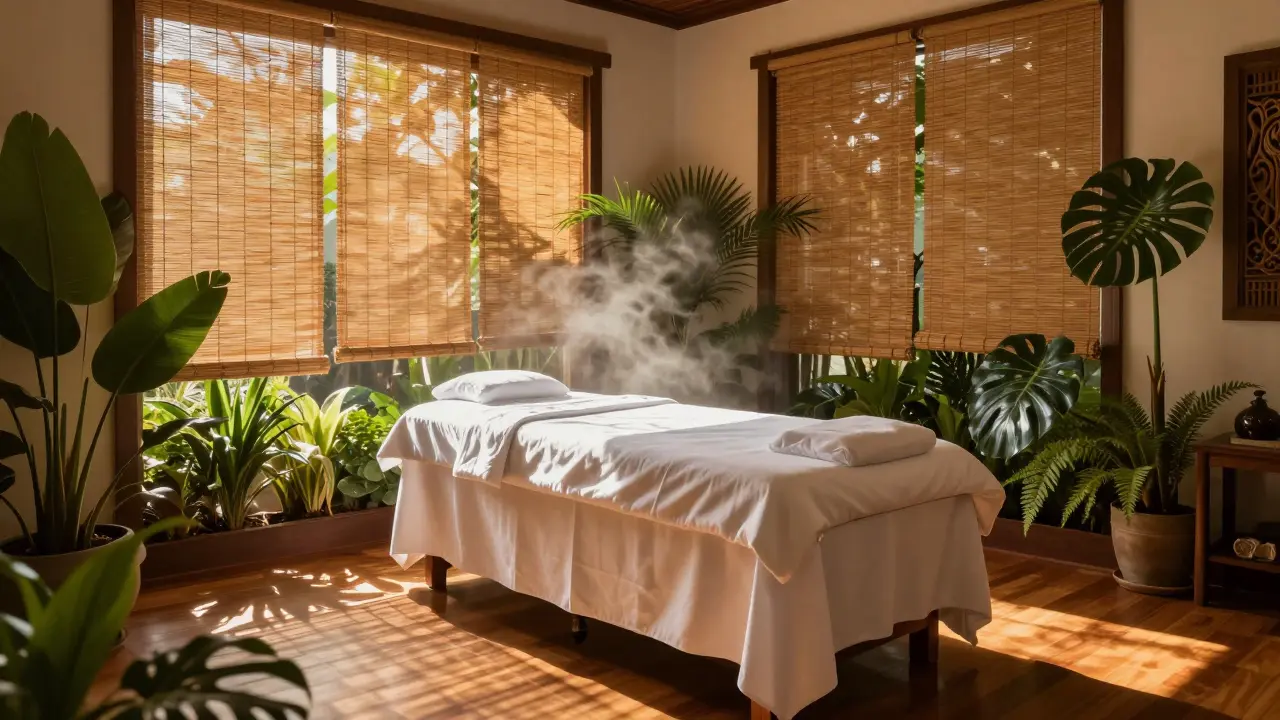
Have you ever walked into a room feeling like your shoulders were carrying the weight of the world? That tightness in your neck, that dull ache in your lower back-it’s not just physical. It’s how we store our daily grind. For centuries, people have turned to Healing Hands, a term often used to describe therapeutic touch and manual manipulation techniques designed to restore balance and relieve pain. Whether it’s a deep tissue massage after a long hike or gentle reiki for anxiety, the concept is simple: human touch can trigger profound physiological changes.
The Science Behind the Touch
It’s not magic, though it feels close to it. When skilled hands work on muscle tissue, they’re doing more than just kneading sore spots. They are stimulating the parasympathetic nervous system. This is the part of your body responsible for rest and digestion. Think of it as hitting the brakes on your fight-or-flight response.
Research published in the Journal of Bodywork and Movement Therapies shows that regular massage therapy can significantly lower cortisol levels-the primary stress hormone. Lower cortisol means better sleep, reduced inflammation, and a calmer mind. But it goes deeper. The pressure applied during a session increases blood flow to the tissues, delivering oxygen and nutrients while flushing out metabolic waste products like lactic acid. This is why you feel lighter and looser afterward. Your body literally gets cleaned up from the inside out.
- Cortisol Reduction: Studies show up to a 53% decrease in stress hormones after a single session.
- Serotonin Boost: Increases in serotonin and dopamine improve mood and reduce depression symptoms.
- Pain Gate Theory: Touch signals travel faster than pain signals, effectively closing the "gate" to pain perception in the brain.
Different Strokes for Different Folks
Not all healing hands work the same way. Just as you wouldn’t use a hammer to screw in a lightbulb, you shouldn’t expect one type of therapy to fix every problem. Understanding the difference between modalities helps you choose the right treatment for your specific needs.
| Technique | Pressure Level | Best For | Duration |
|---|---|---|---|
| Swedish Massage | Light to Medium | Relaxation, circulation | 60-90 mins |
| Deep Tissue | Firm to Hard | Chronic pain, knots | 60 mins |
| Myofascial Release | Gentle Stretching | Posture issues, restricted movement | 45-60 mins |
| Reiki/Energy Work | Non-Touch/Light | Anxiety, spiritual balance | 30-60 mins |
If you’re an athlete recovering from a marathon, Swedish massage might be too soft. You need the friction and depth of sports massage or deep tissue to break down adhesions in the muscle fibers. On the other hand, if you’re dealing with high-functioning anxiety, a heavy-handed approach might actually spike your adrenaline. In that case, gentle myofascial release or energy work allows the nervous system to downshift without triggering a defensive reaction.
Finding the Right Practitioner
This is where things get tricky. The industry is largely unregulated in many areas, which means anyone can hang a shingle and call themselves a therapist. How do you know who has true healing hands versus someone just rubbing oil on skin?
First, check their credentials. Look for licenses issued by state boards or certifications from recognized bodies like the National Certification Board for Therapeutic Massage and Bodywork (NCBTMB) in the US. These organizations require hundreds of hours of anatomy, physiology, and ethics training. A qualified practitioner will ask you questions before they even touch you. They should want to know about your medical history, current injuries, and what you hope to achieve. If they skip the consultation, walk away.
Also, trust your gut. Comfort is key. You need to feel safe enough to relax. If the environment feels off, or the practitioner doesn’t listen to your feedback about pressure, it won’t matter how skilled they are technically. Healing requires consent and comfort.

Self-Care: Bringing Healing Home
You don’t always need a professional to experience the benefits of therapeutic touch. Simple self-massage techniques can provide immediate relief for common tension points. Here are three moves you can do right now:
- Neck Release: Sit up straight. Drop your right ear toward your right shoulder. Gently place your right hand on the left side of your head and apply slight downward pressure. Hold for 30 seconds. Switch sides. This stretches the sternocleidomastoid muscle, which often holds tension from looking at screens.
- Trigger Point Therapy: Use a tennis ball against a wall. Place it between your upper back and the wall, finding a tender spot. Lean into it gently until the pain decreases slightly (not increases). Hold for 60-90 seconds. This deactivates trigger points-knots in the muscle that refer pain elsewhere.
- Foot Reflexology: Roll a frozen water bottle under your arches. The cold reduces inflammation, while the rolling action mimics reflexology pressure points linked to the digestive system. Great for bloating and tired feet.
The Emotional Component of Touch
We live in a touch-starved society. Many of us go days without meaningful physical contact. This deprivation has real health consequences, including increased rates of depression and weakened immune function. Healing hands address this deficit. The oxytocin released during positive touch promotes bonding and trust. It makes you feel connected, seen, and cared for.
This isn’t just about fixing a sore back. It’s about reclaiming your body. Chronic pain often leads to guarding-protecting yourself from movement because you expect hurt. Skilled therapists help you let go of that guard. They teach your brain that safety is possible again. This psychological shift is often the hardest part of recovery, but also the most rewarding.

When to Avoid Manual Therapy
While beneficial for most, there are times when you should hold off. Acute inflammation, such as a fresh sprain or strain within the first 48 hours, needs ice and rest, not manipulation. Broken bones, open wounds, and certain skin infections are also red flags. Always consult your doctor if you have serious medical conditions like blood clots, cancer, or osteoporosis. Some therapies can dislodge clots or fracture fragile bones if not handled with extreme care.
Hydration is another critical factor. After any intensive session, drink plenty of water. Your lymphatic system relies on fluid to move waste products out of the tissues. Skipping water can lead to headaches and stiffness the next day, undoing some of the benefits.
Making It a Habit
Don’t wait until you’re broken to seek help. Think of therapeutic touch like dental hygiene. Regular maintenance prevents major issues. Even once-a-month sessions can keep your nervous system regulated and your muscles pliable. Pair it with good posture, regular stretching, and mindful breathing, and you’ll find yourself moving through life with less friction and more ease.
In a world that constantly demands more from us, taking time to receive healing hands is an act of rebellion. It says, "I matter. My well-being matters." And that mindset shift is perhaps the most powerful medicine of all.
How often should I get a massage for chronic pain?
For acute flare-ups, weekly sessions may be necessary for the first month. Once pain stabilizes, bi-weekly or monthly maintenance is usually sufficient to prevent recurrence. Listen to your body; if you feel tightness returning sooner, increase frequency temporarily.
Is deep tissue massage painful?
It should be uncomfortable but not agonizing. Good pain is a "good hurt" that releases tension. Bad pain causes you to flinch or hold your breath. Communicate openly with your therapist. They can adjust pressure instantly based on your feedback.
Can massage therapy help with insomnia?
Yes. By lowering cortisol and increasing serotonin and melatonin production, massage therapy significantly improves sleep quality. Many patients report falling asleep faster and staying asleep longer after regular sessions.
What should I wear to a massage appointment?
Wear comfortable, loose-fitting clothing. Most therapists provide sheets and draping for privacy. You undress only to your level of comfort. Professional therapists are trained in proper draping techniques to ensure you feel secure throughout the session.
Are there risks associated with Reiki or energy healing?
Reiki is generally considered safe with minimal risk. Since it involves little to no physical pressure, there’s no risk of injury. However, it should complement, not replace, conventional medical treatment for serious conditions. Some people may experience emotional releases during sessions, which is normal but worth discussing with your practitioner.
Write a comment