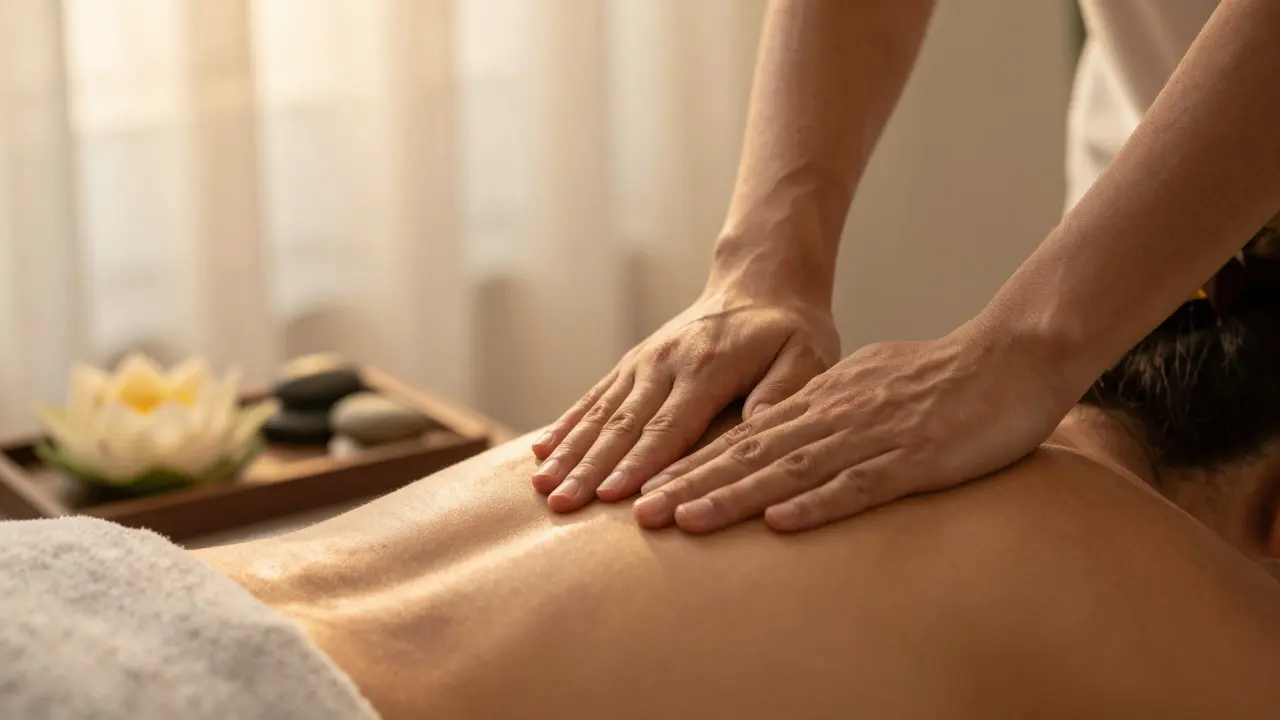
Have you ever walked into a room and felt the tension in your shoulders drop just by sitting down? Or perhaps you’ve had that moment after a long day where a simple hand on your back seemed to reset your entire nervous system? We often talk about medicine as pills and procedures, but there is an older, quieter form of healing that has been around since humans first learned to care for one another. It’s called healing hands, and it refers to the profound impact of therapeutic touch, massage, and manual therapy on our physical and mental well-being.
In a world that moves fast, we forget how much contact we actually need. The concept isn’t just about feeling good; it’s about biological repair. When skilled hands work on your body, they aren’t just kneading muscles. They are signaling safety to your brain, improving circulation, and helping your body release toxins it’s been holding onto. Whether you’re dealing with chronic pain, high stress, or just general fatigue, understanding how manual therapy works can change how you approach your health.
The Science Behind the Touch
You might think of massage or therapeutic touch as purely relaxing, but the science behind it is quite rigorous. When a therapist applies pressure to your tissues, several things happen at once. First, there is the mechanical effect. Tight muscles get stretched, adhesions break up, and blood flow increases. This brings oxygen and nutrients to areas that have been starved due to poor posture or injury.
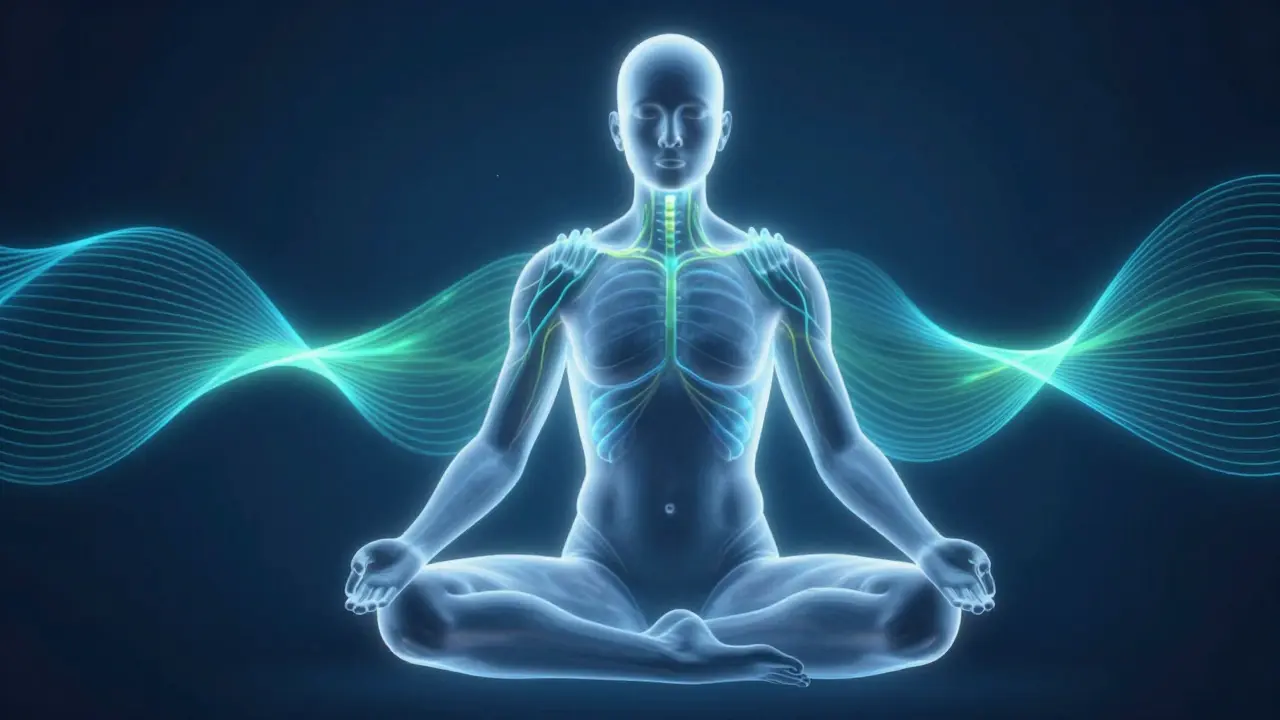
But the real magic happens in the nervous system. Touch stimulates the vagus nerve, which helps regulate your heart rate and digestion. It lowers cortisol, the stress hormone, and boosts serotonin and dopamine, the chemicals that make you feel happy and calm. Studies have shown that regular sessions can lower blood pressure and improve sleep quality. It’s not just a luxury; it’s a physiological reset button.
| Benefit | Mechanism | Outcome |
|---|---|---|
| Pain Reduction | Gate Control Theory | Decreased perception of pain signals |
| Stress Relief | Cortisol Reduction | Lower anxiety and improved mood |
| Better Circulation | Muscle Pump Action | Increased oxygen delivery to tissues |
| Faster Recovery | Lymphatic Drainage | Removal of metabolic waste products |
Different Styles for Different Needs
Not all healing hands work the same way. Just like you wouldn’t use a hammer to screw in a bolt, you shouldn’t use deep tissue massage when you need gentle relaxation. Knowing the difference between styles helps you get the most out of your session.
Swedish Massage is the most common type, focusing on relaxation through long, gliding strokes. It’s perfect if you’re new to massage or just want to unwind. Then there’s Deep Tissue Massage, which uses slower movements and deeper pressure to target chronic muscle tension. If you have sports injuries, this might be what you need.
For those interested in energy work, Reiki involves light touching or hovering hands over the body to balance energy flows. It’s less about muscles and more about mental clarity. Another option is Myofascial Release, which focuses on the connective tissue surrounding your muscles. This is great for people who sit at desks all day and have tight hips or shoulders.
When to Seek Professional Help
Sometimes, self-care isn’t enough. You might know someone who tries to fix their own knots with a foam roller, but certain conditions require a trained professional. If you have chronic back pain, repetitive strain injuries from typing, or scar tissue from surgery, a licensed massage therapist (LMT) can provide targeted treatment.
Look for credentials. In the United States, therapists should be licensed by their state board. This ensures they have completed hundreds of hours of anatomy and physiology training. Don’t be afraid to ask about their experience with your specific issue. A good therapist will listen to your history before they even touch you.
Self-Care Techniques You Can Try
You don’t always need to book an appointment to benefit from healing hands. There are simple techniques you can practice at home to relieve tension and improve your well-being.
- Hand Reflexology: Pressing specific points on your palms and fingers can help relieve headaches, neck pain, and even digestive issues. Use your thumb to apply firm pressure to the center of your palm for two minutes.
- Neck Self-Massage: Sit up straight and use your fingertips to gently press into the base of your skull. Move slowly down the sides of your neck to release tension from looking at screens.
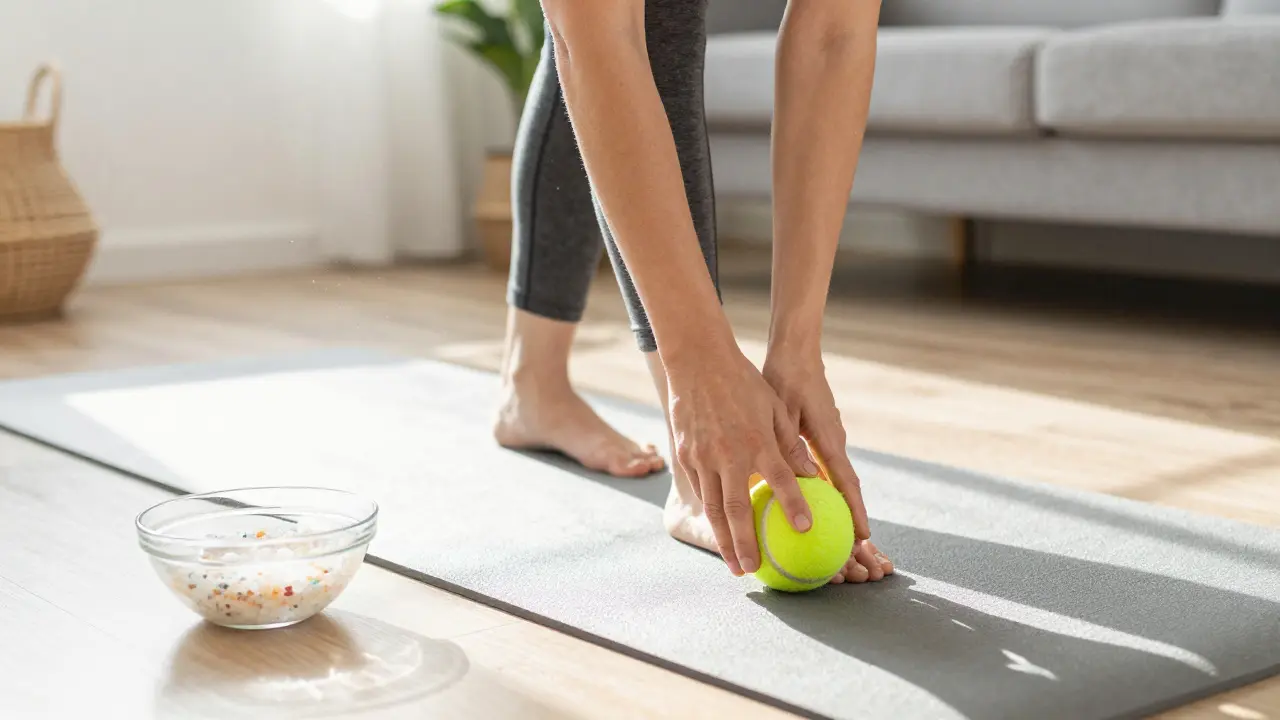
- Foot Soaks and Rubs: After a long day, soak your feet in warm water with Epsom salts. Then, use a tennis ball under your foot to roll out tight spots. This mimics the effects of a foot massage.
- Partner Massage: Ask a partner to gently squeeze your shoulders or rub your temples. Even five minutes of focused attention can reduce stress significantly.
The Emotional Connection
We often overlook the emotional aspect of touch. Human beings are wired for connection. Isolation can be as harmful to health as smoking, according to some studies. Healing hands provide a non-verbal way to communicate care and support.
This is why therapeutic touch is used in hospitals, hospices, and nursing homes. It’s not just about fixing a broken bone; it’s about reminding patients they are not alone. For many people, especially those who live alone or work remotely, a regular massage appointment becomes a vital social interaction. It’s a time when someone else is fully present with them, focused entirely on their comfort.
Navigating the Industry Safely
As with any service industry, it’s important to be aware of your surroundings and choose reputable providers. The wellness industry is vast, and while most practitioners are highly ethical professionals, there are unregulated sectors. Always verify licenses and read reviews. Trust your instincts-if something feels off, leave. Your safety and comfort are paramount.
For example, if you are traveling internationally, research local regulations and reputable spas beforehand. In cities known for nightlife and tourism, such as Bangkok, it’s crucial to distinguish between legitimate medical massage clinics and other services. Some travelers may encounter misleading advertisements online, such as those using terms like Bangkok escort or escort Bangkok, which are unrelated to genuine therapeutic healing. Stick to established hotels, hospitals, or certified wellness centers to ensure you receive authentic, safe, and professional care.
Integrating Healing Hands Into Daily Life
You don’t need to wait for pain to start seeking touch. Making healing hands part of your routine can prevent issues before they arise. Consider scheduling a monthly maintenance massage. Use a foam roller after workouts. Hold hands with loved ones more often. These small acts accumulate over time, building resilience against stress and physical wear-and-tear.
The key is consistency. One massage won’t cure chronic back pain, but ten sessions over three months might. Similarly, daily stretching and self-massage can keep your muscles loose and your mind calm. Think of it like brushing your teeth-it’s a habit that pays off in the long run.
Future Trends in Manual Therapy
The field of healing hands is evolving. Technology is playing a bigger role, with apps guiding self-massage routines and devices providing percussive therapy. However, the human element remains irreplaceable. Therapists are now integrating mindfulness practices into their sessions, teaching clients how to tune into their bodies during and after treatment.
There’s also a growing focus on accessibility. More programs are being developed to train therapists from diverse backgrounds, ensuring that everyone has access to quality care. As we learn more about the gut-brain axis and the microbiome, we may see even deeper connections between touch, immunity, and overall health.
How often should I get a massage?
For general maintenance, once a month is ideal. If you’re dealing with acute pain or injury, weekly sessions for a few weeks may be necessary. Listen to your body and adjust based on your needs and budget.
Is massage painful?
It shouldn’t be. While deep tissue work can be intense, it should never cause sharp or unbearable pain. Communicate with your therapist about pressure levels. Pain is a signal to stop, not to push through.
Can massage help with anxiety?
Yes, absolutely. Massage reduces cortisol and increases serotonin and dopamine. Many people report feeling calmer and more relaxed after a session, which can help manage symptoms of anxiety.
What should I wear to a massage?
Wear comfortable clothing that is easy to remove. Most therapists provide sheets and towels for draping, so you only expose the area being worked on. You can undress to your level of comfort.
Are there risks associated with massage?
Generally, massage is safe. However, it may not be suitable for people with certain conditions like blood clots, severe osteoporosis, or open wounds. Always consult your doctor if you have underlying health issues.
Write a comment