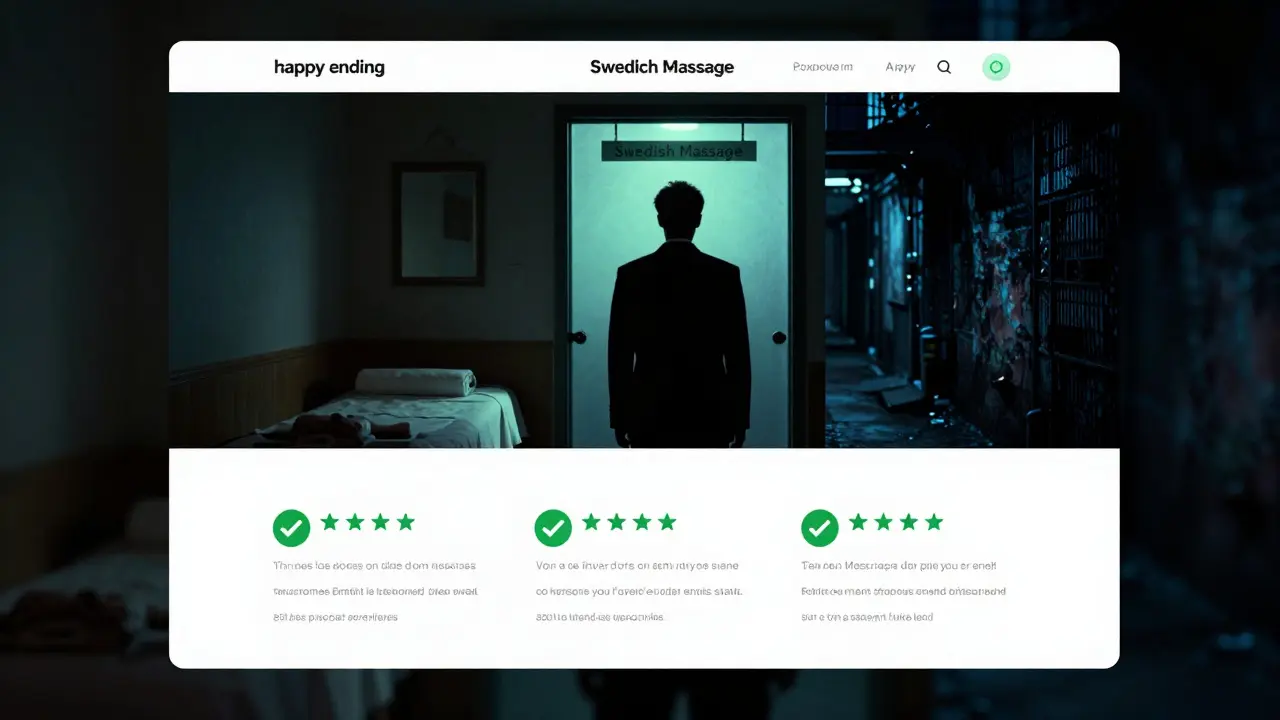
What Is a Happy Ending Massage?
When you hear the term happy ending massage, it’s easy to assume it refers to a standard therapeutic treatment that leaves you feeling relaxed. In reality, this phrase is widely understood as code for illegal sexual services disguised as legitimate massage therapy. These establishments often operate in the gray areas of local laws, offering what appears to be a professional spa experience while secretly facilitating prostitution.
The concept gained popularity in urban centers across Asia, Europe, and North America during the late 1990s and early 2000s. What started as underground operations has evolved into more sophisticated businesses that use online booking systems, professional websites, and even fake reviews to appear legitimate. Understanding what these services actually involve is crucial before making any decisions about where to spend your money or time.
Are happy ending massages legal?
In most countries and U.S. states, happy ending massages are illegal because they involve prostitution, which violates local laws. Only a few jurisdictions allow regulated sex work, and even then, specific licensing requirements apply.
How These Establishments Operate
Most happy ending massage parlors follow a predictable pattern. They advertise themselves as legitimate massage spas on platforms like Yelp, Google Maps, and social media. The websites look professional, with stock photos of serene treatment rooms and lists of services ranging from Swedish massage to deep tissue therapy. Prices seem reasonable at first glance-typically $50-$150 for a 60-minute session.
Once you arrive, however, the dynamic changes. Staff members may pressure you into upgrading to "special" services, hinting at additional touches beyond standard massage techniques. Some locations have separate rooms or back areas specifically designated for these encounters. The staff often speak limited English and may not understand basic health and safety protocols.
These operations frequently rotate locations to avoid law enforcement attention. A place might operate openly for months before suddenly closing down and reopening under a different name nearby. This cat-and-mouse game makes it difficult for authorities to shut them down permanently while creating uncertainty for customers who wonder if their next visit will go smoothly.
If you're traveling internationally and encounter situations involving escort services, such as those advertised by a Bangkok escort agency, it's important to understand the legal implications and potential dangers involved in such arrangements.
Health Risks You Should Know About
The health risks associated with happy ending massages extend far beyond simple discomfort. Without proper hygiene standards, protection measures, or medical oversight, these encounters can expose you to serious infections. Sexually transmitted diseases (STDs) like HIV, herpes, syphilis, gonorrhea, and chlamydia remain prevalent in unregulated sexual encounters worldwide.
According to the Centers for Disease Control and Prevention (CDC), approximately 20 million new STD cases occur annually in the United States alone. Many of these infections spread through unprotected sexual contact, including activities that might happen during so-called massage sessions. The risk increases when multiple clients visit the same establishment without adequate cleaning between appointments.
Beyond infectious diseases, there are physical injury concerns. Untrained individuals performing intimate acts can cause bruising, tearing, or other trauma. There have been documented cases of customers experiencing allergic reactions to lubricants or oils used improperly, leading to skin conditions requiring medical attention.
| Risk Type | Description | Potential Consequences |
|---|---|---|
| Sexually Transmitted Infections | HIV, herpes, syphilis, gonorrhea, chlamydia | Chronic illness, infertility, increased cancer risk |
| Physical Injury | Bruising, tearing, muscle strain | Pain, scarring, need for surgical repair |
| Allergic Reactions | Skin irritation from oils or lubricants | Rashes, swelling, breathing difficulties |
| Mental Health Impact | Guilt, anxiety, regret after participation | Depression, relationship problems, addiction patterns |

Legal Consequences and Financial Costs
Participating in illegal sexual activities carries significant legal consequences. In the United States, solicitation of prostitution remains a criminal offense in all states except Nevada, where it's only permitted in certain counties with strict regulations. Penalties vary by jurisdiction but typically include fines ranging from $500 to $5,000, possible jail time, and permanent criminal records.
A criminal record affects employment opportunities, housing applications, and even travel visas. Many employers conduct background checks, and having charges related to prostitution or solicitation can disqualify you from positions in healthcare, education, government, and finance. Even if charges get dismissed later, the initial arrest stays on your record unless expunged through lengthy legal processes.
The financial costs add up quickly too. Beyond the service fee itself, you face potential legal fees, court costs, mandatory counseling programs, and restitution payments. One incident could cost thousands of dollars when factoring in attorney representation and compliance requirements.
Identifying Legitimate Massage Therapists
Finding authentic massage therapy requires knowing what to look for. Licensed massage therapists (LMTs) complete extensive training programs accredited by organizations like the Commission on Accreditation of Allied Health Education Programs (CAAHEP). They must pass national examinations administered by the Federation of State Boards of Medical Examiners (FSBME) and maintain continuing education credits.
Legitimate spas display licenses prominently in reception areas and provide detailed information about each therapist's qualifications. Treatment rooms feature proper equipment including adjustable tables, clean linens changed between clients, and appropriate lighting for therapeutic work. Therapists ask about medical history, injuries, and preferences before beginning sessions.
Professional associations like the American Massage Therapy Association (AMTA) offer directories of verified practitioners. Members adhere to strict ethical codes prohibiting any form of sexual contact with clients. If something feels off during an appointment-a therapist touching inappropriate areas, suggesting private meetings outside the business, or asking personal questions unrelated to treatment-leave immediately and report the incident.
- Verify credentials through state licensing boards
- Check membership in professional organizations
- Read recent customer reviews mentioning specific treatments
- Observe cleanliness and professionalism upon arrival
- Trust your instincts if boundaries seem unclear
Alternatives for Stress Relief and Relaxation
If stress relief motivates your interest in massage services, numerous safe alternatives exist. Traditional massage therapies address tension headaches, back pain, sports injuries, and chronic stress through proven techniques. Swedish massage uses long strokes and kneading motions to promote circulation and relaxation. Deep tissue therapy targets deeper muscle layers for persistent soreness. Hot stone massage combines heat therapy with manual manipulation for enhanced comfort.
Spa packages often bundle multiple treatments together, creating comprehensive wellness experiences. Add-ons like aromatherapy, reflexology, or facial treatments enhance relaxation without crossing ethical lines. Regular maintenance sessions help prevent future issues rather than addressing acute problems reactively.
Home-based solutions also reduce dependency on external providers. Foam rollers, massage guns, heating pads, and essential oil diffusers replicate some benefits of professional treatments. Online tutorials teach self-massage techniques targeting common problem areas like neck, shoulders, and feet. Consistent practice yields cumulative results over time.
For travelers seeking unique cultural experiences abroad, understanding local customs around hospitality and entertainment helps navigate complex situations safely. Whether exploring nightlife districts or arranging transportation services like an escort Bangkok guide, prioritizing legality and personal safety ensures memorable rather than problematic adventures.

Psychological Factors Behind the Appeal
Understanding why people seek out these services reveals deeper psychological motivations. Loneliness, curiosity, peer pressure, and misinformation contribute significantly. Social media portrays exotic destinations and anonymous encounters as thrilling escapades, ignoring real-world complications. Movies and television normalize casual sexual relationships without depicting consequences accurately.
Some individuals struggle with intimacy issues stemming from past trauma or failed relationships. Anonymous interactions bypass emotional vulnerability while providing temporary satisfaction. Unfortunately, this cycle reinforces avoidance behaviors rather than resolving underlying problems. Professional counseling addresses root causes effectively, helping clients develop healthier coping mechanisms.
Cultural differences influence perceptions too. Countries with legalized prostitution sometimes market themselves as tourist destinations offering "adult entertainment." Visitors unfamiliar with local norms might mistake regulated industries for unrestricted environments. Research beforehand clarifies expectations and prevents misunderstandings.
Protecting Yourself While Traveling
International travel exposes visitors to varying legal frameworks regarding sexuality and entertainment. Before visiting foreign countries, research local laws thoroughly. What seems acceptable domestically might constitute severe offenses elsewhere. Japan prohibits public nudity but allows hostess clubs operating within specified guidelines. Thailand technically bans prostitution yet tolerates red-light districts informally.
Accommodation choices matter significantly. Hotels catering to business travelers differ substantially from those targeting leisure tourists interested in nightlife. Location impacts exposure to solicitation attempts and availability of reputable establishments. Staying near major attractions reduces temptation compared to isolated neighborhoods known for vice activities.
Emergency contacts deserve preparation ahead of time. Save numbers for local police stations, embassy offices, and trusted friends back home. Share itineraries with someone reliable who can check in regularly. Carry copies of identification documents separately from originals in case theft occurs.
- Research destination-specific laws before departure
- Choose accommodations aligned with intended activities
- Avoid accepting drinks from strangers
- Keep valuables secure and accessible
- Maintain communication with support networks
Building Healthy Relationships Instead
Investing energy toward meaningful connections produces lasting rewards unlike fleeting encounters. Dating apps connect singles sharing similar interests geographically. Community events foster organic friendships based on mutual passions rather than transactional arrangements. Volunteer opportunities introduce diverse populations united by charitable goals.
Therapy sessions explore attachment styles influencing relationship patterns. Cognitive behavioral therapy modifies negative thought cycles preventing genuine intimacy. Group workshops facilitate skill-building exercises improving communication abilities essential for sustaining partnerships.
Focusing inward strengthens confidence necessary for attracting compatible partners. Exercise routines boost endorphins naturally enhancing mood stability. Meditation practices cultivate mindfulness reducing impulsivity driving risky decisions. Journaling exercises process emotions constructively instead of suppressing feelings temporarily.
Ultimately, choosing authenticity over convenience creates fulfilling lives grounded in respect and honesty. Short-term gratification rarely satisfies long-term needs adequately. Prioritizing mental, physical, and emotional wellbeing generates sustainable happiness extending well beyond momentary pleasures.
Write a comment