
The Myth of the "Happy Ending" Massage
You’ve heard the term. Maybe you’ve seen it in movies or read about it on shady forums. A happy ending massage is a euphemism for a massage that ends with sexual gratification, usually involving manual stimulation by the therapist. It sounds like a fantasy to some, but in reality, it’s a red flag for something much darker. This isn’t about relaxation; it’s about exploitation.
In legitimate massage therapy, the goal is physical relief, stress reduction, and mental clarity. Therapists are trained professionals who follow strict ethical codes. When someone promises a "happy ending," they are stepping outside the law and into a world of human trafficking, coercion, and unsafe conditions. If you’re traveling and looking for relaxation, understanding this distinction is crucial for your safety and well-being.
Why These Establishments Are Dangerous
The biggest misconception is that these services are consensual transactions between adults. In many cases, especially in tourist-heavy areas, they are not. Many individuals working in these establishments are victims of human trafficking, forced into sexual labor through debt bondage, threats, or violence. By seeking out these services, even unknowingly, clients can inadvertently support criminal networks.
Furthermore, the environments where these services are offered are rarely safe. They often operate without licenses, health inspections, or security protocols. You might be walking into a place with no emergency exits, poor hygiene standards, or hidden cameras. There have been numerous reports of tourists being robbed, assaulted, or extorted after visiting such parlors. The risk far outweighs any perceived benefit.
Recognizing Red Flags Before You Book
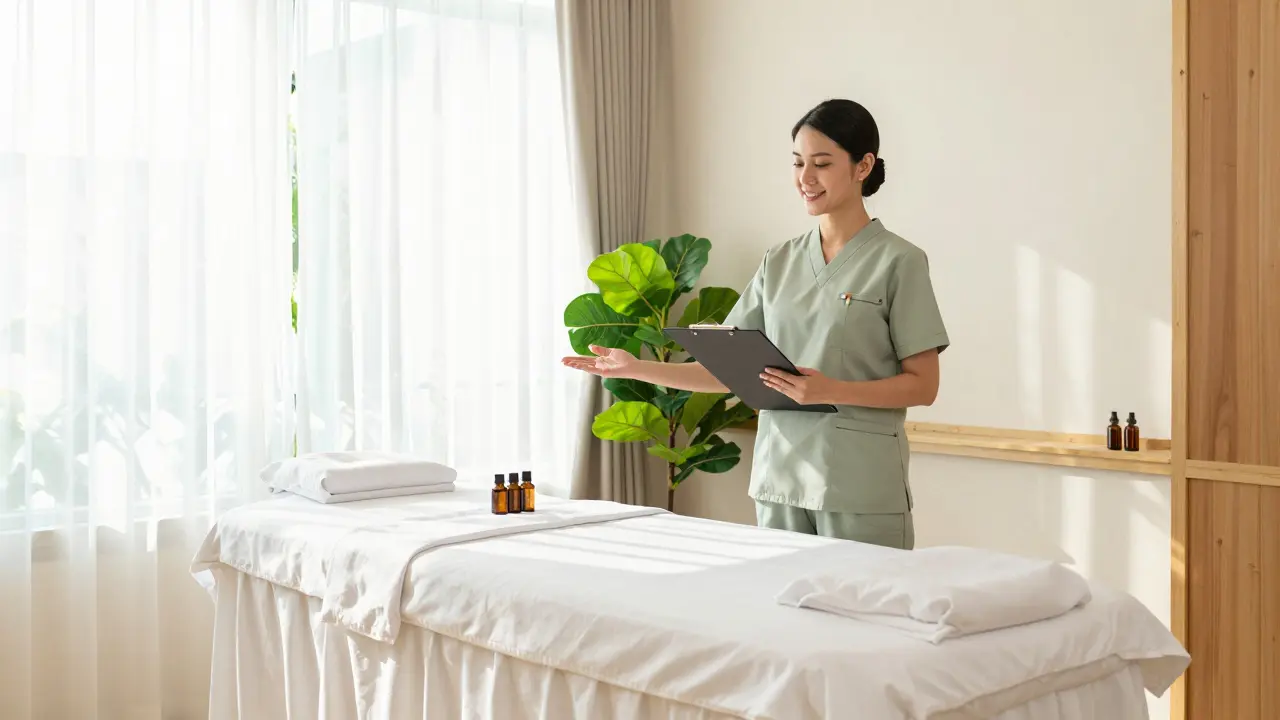
How do you spot a fake spa? It’s easier than you think. Legitimate massage therapists focus on anatomy, technique, and client comfort. Illegal operations focus on secrecy and quick cash. Here are common warning signs:
- Vague Menus: If the menu lists prices for "special treatments" without clear descriptions, or uses coded language like "private session" or "full service," walk away.
- No License Displayed: Real spas proudly display their business licenses and therapist certifications. If they’re hidden or missing, that’s a major issue.
- Pressure Tactics: Staff who push you toward expensive add-ons or try to isolate you from friends are trying to control the situation.
- Unprofessional Atmosphere: Dim lighting, locked doors, or staff dressed inappropriately for a medical/wellness setting are big clues.
- Online Reviews: Check recent reviews. If multiple people mention "sexual services" or complain about being scammed, avoid the place entirely.
For example, in cities known for nightlife, some places advertise as "massage parors" but are actually fronts for illegal activities. Always verify the establishment’s reputation before booking.
The Legal Consequences
Many travelers don’t realize that soliciting or participating in these acts is illegal in most countries, including Thailand, Indonesia, and parts of Europe. Penalties can include heavy fines, deportation, and even imprisonment. Some nations have strict laws against sex tourism, meaning you could face legal trouble long after you return home.
Even if you’re not directly involved in illegal activity, being associated with such establishments can ruin your trip. Police raids are common in areas with high concentrations of fake spas. Getting caught in the middle of a raid can lead to hours of questioning, detention, and missed flights.
Safer Alternatives for Relaxation
If you’re traveling and want to unwind, there are plenty of legitimate options. Look for spas affiliated with reputable hotels, resorts, or wellness centers. These places employ certified therapists who specialize in techniques like Swedish massage, deep tissue, or hot stone therapy. They prioritize your health and safety.
You can also research local wellness associations. Many countries have professional bodies that certify massage therapists. Checking if a therapist is registered with these organizations ensures they meet industry standards. For instance, in the United States, the American Massage Therapy Association (AMTA) provides a directory of licensed practitioners.
Another option is to try traditional cultural therapies. In Southeast Asia, Thai massage is a respected practice that focuses on stretching and pressure points. It’s therapeutic, not sexual. Similarly, Ayurvedic massages in India offer holistic benefits rooted in ancient medicine. These experiences provide genuine relaxation without the risks.

What to Do If You Encounter Problems
If you find yourself in an uncomfortable or dangerous situation, stay calm. Don’t escalate the conflict. Excuse yourself politely and leave immediately. If you feel threatened, seek help from hotel staff, local police, or your country’s embassy. Keep a record of the location, names, and any evidence of misconduct.
Reporting incidents helps authorities shut down illegal operations and protect others. Many embassies have hotlines for tourists facing issues abroad. Use them. Your voice matters, and speaking up can prevent future harm.
Understanding the Impact on Local Communities
Beyond personal safety, these industries harm local communities. They distort the economy by pushing legitimate businesses out of the way. They contribute to social stigma and make it harder for honest workers to find jobs. Tourists who engage in these practices perpetuate a cycle of exploitation that affects vulnerable populations.
Responsible travel means respecting local laws and cultures. Choosing ethical wellness providers supports sustainable tourism and helps preserve the integrity of traditional healing practices. It’s about more than just avoiding trouble; it’s about being a good guest.
Is a happy ending massage legal?
In most countries, including the US, UK, and many Asian nations, offering or receiving sexual services under the guise of massage is illegal. It falls under prostitution laws and can result in fines, arrest, or deportation.
How can I tell if a massage parlor is legitimate?
Look for visible licenses, professional attire, clear pricing, and positive online reviews. Legitimate spas will explain their techniques and ask about your health history before starting.
Are there safe alternatives to street-side massage shops?
Yes. Choose spas located in reputable hotels, resorts, or medical centers. Verify that therapists are certified by recognized professional associations in the country you’re visiting.
What should I do if I’m pressured into unwanted services?
Leave immediately. Do not argue. Seek assistance from hotel management, local police, or your embassy. Document the incident for future reference and reporting.
Does seeking these services support human trafficking?
Unfortunately, yes. Many individuals in these establishments are coerced or trafficked. Demand drives the supply, so avoiding these services helps reduce the incentive for criminal networks.
Write a comment