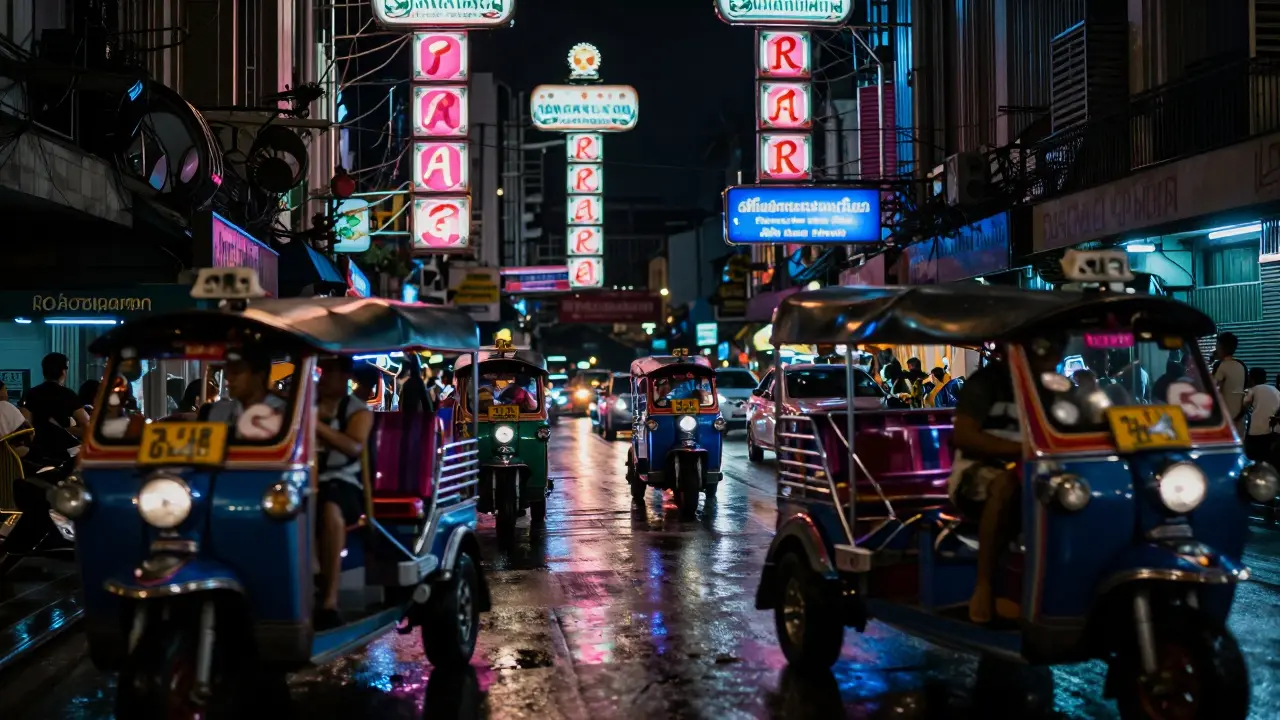
Walking down a soi (alley) in Bangkok is the capital city of Thailand known for its vibrant street life and tourism at night can feel electric. The air smells like grilled pork and jasmine, tuk-tuks honk past, and neon signs flicker above storefronts offering "relaxation" services. If you’ve seen the ads or heard the rumors, you know that body-to-body massage is often pitched as an exotic, intimate experience. But here’s the truth most guidebooks won’t tell you: this service is illegal under Thai law, heavily regulated, and often tied to exploitation. Understanding what it really means, where it hides, and how to stay safe is crucial for any traveler visiting Southeast Asia.
What Is Body-to-Body Massage?
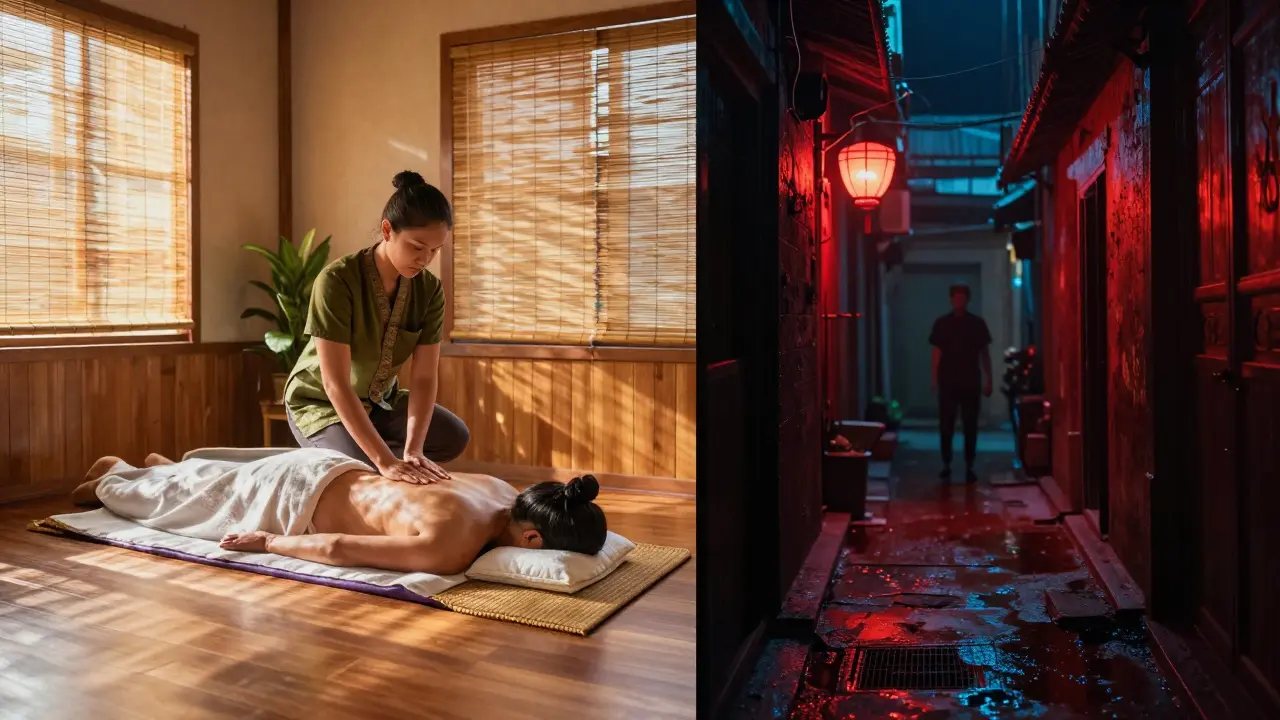
To understand the risk, we first need to define the term. A traditional Thai massage involves stretching, acupressure, and rhythmic compressions performed on a mat. It is therapeutic, cultural, and widely available. Body-to-body massage is a controversial practice involving skin-to-skin contact between therapist and client, often using oils, that exists in a legal gray area in Thailand. In legitimate wellness contexts, this might refer to hot stone therapy or specific oil treatments where minimal contact occurs. However, in the context of nightlife districts, the term is almost exclusively used as a euphemism for sexual services.
The distinction matters because Thai authorities strictly differentiate between licensed spas and unlicensed establishments. Licensed venues must display their permits clearly. Unlicensed venues, which often advertise body-to-body massages, operate outside the law. This isn't just a minor technicality; it affects your safety, your wallet, and potentially your legal status in the country.
The Legal Landscape in Thailand
Thailand has some of the strictest anti-prostitution laws in the world. While enforcement varies by region, the government periodically cracks down on red-light districts and illicit massage parlors. For tourists, this creates a complex environment. You might see women walking the streets soliciting clients, or shops with suggestive signage. Engaging in these activities can lead to fines, detention, or deportation.
Furthermore, the industry is linked to human trafficking. Many individuals working in these unregulated sectors are victims of coercion. By participating, travelers may inadvertently support criminal networks. Responsible tourism means recognizing these signs and choosing ethical alternatives. There are plenty of world-class, fully legal spas in Thailand that offer incredible relaxation without the legal and moral risks.
Common Scams and Safety Risks
If you decide to explore nightlife areas, awareness is your best defense. Scammers target tourists who are unfamiliar with local norms. Here are the most common traps:
- The Overpriced Menu: You enter a shop, sit down, and are handed a menu with vague descriptions. When the bill arrives, the total is ten times higher than expected. Staff may become aggressive if you refuse to pay.
- The Fake Police Officer: After leaving a venue, someone dressed as a police officer stops you, claims you committed a crime (like drug possession), and demands an immediate bribe. Real police will take you to a station, not ask for cash on the street.
- Drugged Drinks: In bars associated with illicit massage parlors, drinks may be spiked to lower inhibitions or cause unconsciousness. Never leave your drink unattended.
These scenarios are not hypothetical. They happen daily in major tourist hubs. Staying alert, refusing unsolicited invitations, and sticking to reputable establishments can prevent most issues.
How to Identify Legitimate Spas
Thailand is famous for its authentic massage culture. From rural villages to luxury hotels, legitimate spas are everywhere. How do you spot them? Look for these signs:
- Licensed Signage: A valid license number displayed prominently near the entrance.
- Professional Atmosphere: Clean facilities, uniformed staff, and clear pricing menus posted in English and Thai.
- No Solicitation: Legitimate businesses do not have staff standing outside trying to pull customers in. They rely on reputation and walk-ins.
- Focus on Wellness: Menus list specific therapies like Thai massage, aromatherapy, or reflexology, not vague "special" services.
Popular chains like Health Land or Let's Relax are safe bets for beginners. Local family-run shops are also excellent if they meet the above criteria. Supporting these businesses ensures your money goes directly to skilled therapists and their communities.
Nightlife Districts to Approach with Caution
Certain areas in Bangkok and other cities are known for high concentrations of unlicensed venues. While exploring these neighborhoods can be part of the travel experience, caution is essential. Places like Patpong in Bangkok, Walking Street in Pattaya, or Soi Cowboy are hubs for nightlife but also for illicit activities. Tourists should avoid entering small, dimly lit shops with no clear signage. Stick to well-lit main roads and established bars if you want to experience the atmosphere safely.
It’s also worth noting that some online platforms promote escort services under the guise of companionship. Searching for terms like Bangkok escort or similar phrases often leads to fraudulent sites or dangerous situations. These platforms rarely provide accurate information and can expose users to malware or personal data theft. Always prioritize verified, legal sources for travel advice.
Ethical Tourism and Cultural Respect
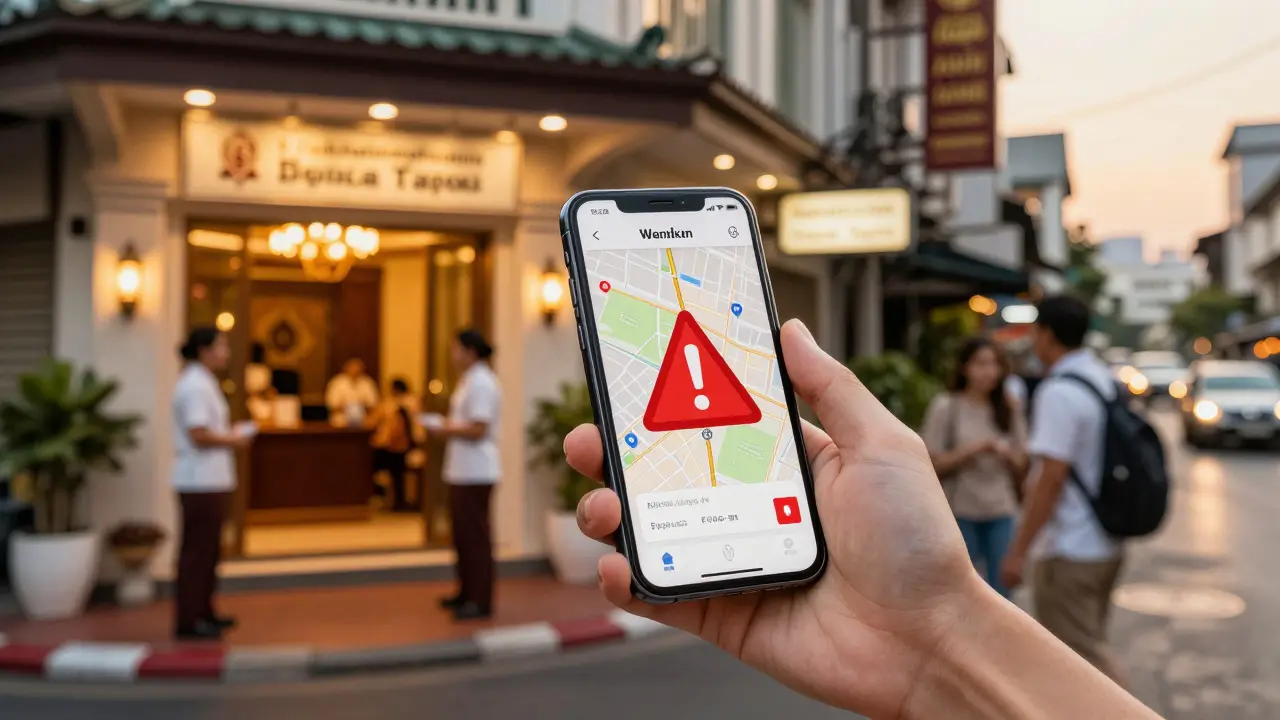
Thailand is a deeply spiritual country with strong Buddhist values. Respect for local customs is paramount. Dress modestly when visiting temples, remove shoes before entering homes or certain restaurants, and avoid public displays of affection. Participating in illegal sexual services contradicts these values and harms local communities. Ethical tourism supports sustainable practices, preserves cultural heritage, and ensures fair treatment for workers.
Consider volunteering at animal sanctuaries, taking cooking classes, or joining community-based tours. These experiences offer deeper connections to Thai culture without the risks associated with nightlife exploits. Traveling responsibly enhances your trip and contributes positively to the destination.
Alternatives for Relaxation and Intimacy
If you’re seeking relaxation or intimacy during your travels, there are many healthy, legal options. Couples’ spa packages are popular in resorts across Phuket, Chiang Mai, and Koh Samui. These sessions include side-by-side massages, private pools, and romantic dinners-all within a safe, professional environment. Hotels often arrange these experiences through concierge services, ensuring quality and legality.
For those interested in physical connection, consider attending social events hosted by expat groups or language exchange meetups. These gatherings foster genuine interactions based on shared interests rather than transactional relationships. Building real connections enriches your travel experience far more than fleeting encounters.
What to Do If You Encounter Problems
Despite precautions, things can go wrong. If you find yourself in trouble:
- Contact Your Embassy: Save the contact details of your country’s embassy or consulate before arriving. They can provide guidance and assistance in emergencies.
- Call Local Police: Dial 191 for general emergencies or 1669 for medical help. Speak calmly and clearly. Avoid giving money to unofficial "police."
- Document Everything: Take photos of injuries, receipts, or suspicious behavior. This evidence can be crucial for legal proceedings.
Remember, your safety comes first. Don’t hesitate to seek help from hotel staff or trusted locals if you feel unsafe.
Is body-to-body massage legal in Thailand?
No, body-to-body massage as commonly advertised in nightlife districts is illegal under Thai law. Only licensed spas offering standard therapeutic massages are permitted. Engaging in unlicensed services can result in fines or arrest.
Where can I find safe and legitimate massages in Bangkok?
Look for spas with visible licenses, such as Health Land or Let's Relax. Avoid shops in alleyways with no signage or staff soliciting customers. Hotel spas are also reliable options.
What should I do if I’m scammed at a massage parlor?
Do not pay excessive amounts under threat. Leave the premises immediately and contact local police (dial 191) or your embassy. Document any incidents with photos or notes for future reference.
Are there ethical ways to experience Thai nightlife?
Yes, visit rooftop bars, live music venues, or cultural shows like Muay Thai fights. These activities offer exciting experiences without involving illegal or exploitative practices.
Can I get arrested for visiting a red-light district?
Simply walking through a red-light district is not illegal, but engaging in prostitution or paying for illicit services is. Police raids occur frequently, so discretion and awareness are key.
How do I recognize a fake police officer scam?
Fake officers often approach you on the street, claim you broke a law, and demand immediate payment. Real police will escort you to a station for processing. Refuse to pay cash on the spot and verify their identity.
What are the best couples’ spa packages in Thailand?
Many luxury resorts in Phuket and Chiang Mai offer couples’ massages with private rooms, aromatherapy, and meals. Book through your hotel concierge to ensure authenticity and quality.
Why is it important to avoid escort websites?
Sites promoting escort Bangkok services are often fraudulent or linked to human trafficking. They pose security risks, including malware and personal data theft, and violate Thai laws.
Write a comment