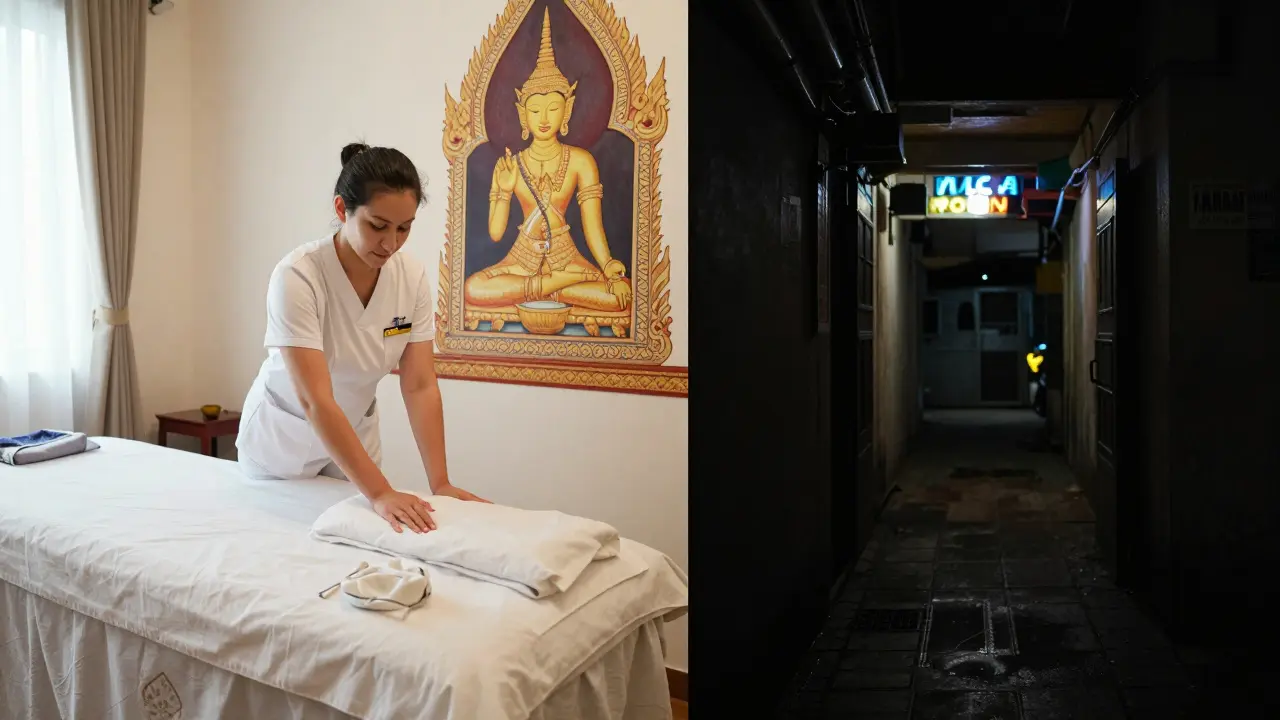
Thailand is world-famous for its traditional healing arts. You can find authentic Thai massage on every street corner in Chiang Mai, Phuket, or Bangkok. But if you have heard whispers about "body-to-body" massages, you are likely wondering what they actually are. The short answer? They are not a recognized form of therapy. In fact, the term is often used as a code word for illegal sexual services disguised as wellness treatments.
If you are planning a trip to Southeast Asia, understanding the difference between legitimate spas and illicit operations is crucial. This guide breaks down the reality behind these claims, how to spot red flags, and where to find genuine relaxation without risking your safety or legal standing.
The Reality Behind "Body-to-Body" Claims
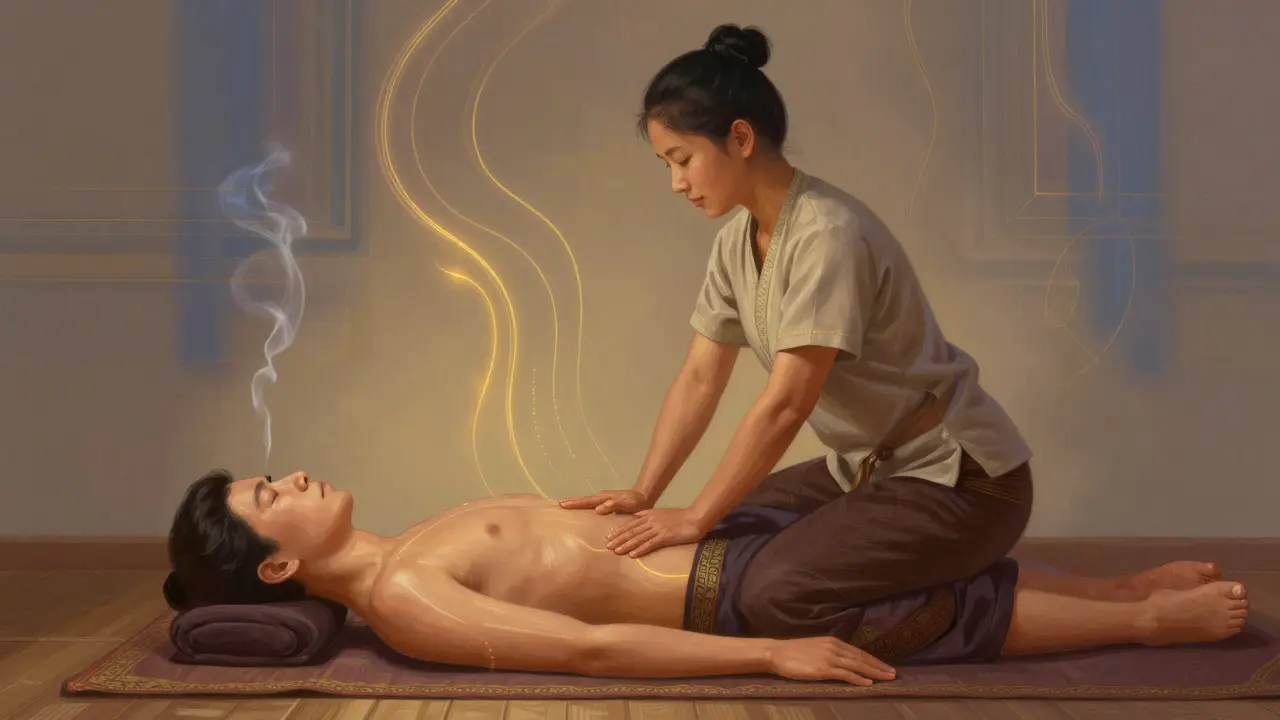
In the context of Thailand’s tourism industry, "body-to-body" massage rarely refers to a standard therapeutic technique. Traditional Thai massage involves stretching, pressure points, and acupressure performed by a trained practitioner using their hands, elbows, knees, and feet. It is fully clothed or uses minimal contact focused on energy lines (Sen lines).
When an establishment advertises "body-to-body," it usually implies full skin-to-skin contact with another person, often involving erotic elements. This crosses the line from healthcare into prostitution, which is illegal in Thailand. While enforcement varies, participating in such activities can lead to fines, deportation, or worse. Many travelers fall into this trap because they assume that any service listed under "massage" is regulated like a medical spa.
It is important to distinguish between legitimate couples’ massages, where two therapists work on one client simultaneously, and the illicit version. Legitimate couples’ massages are clearly described, priced transparently, and conducted in professional settings. Illicit offers are vague, cheap, and hidden in back alleys or unmarked buildings.
How to Spot Red Flags
Avoiding trouble starts with knowing what to look for. Legitimate spas prioritize hygiene, transparency, and professionalism. Here are the warning signs that a place might be offering illegal services:
- Vague Pricing: If the menu doesn’t list clear prices per hour or service, walk away. Hidden fees often mean hidden agendas.
- No License Displayed: Registered spas must display their business license and health certificates. If you don’t see them, ask politely. Hesitation is a bad sign.
- Location Matters: Avoid places located in dark alleyways, above bars, or in residential buildings without proper signage. Look for establishments in tourist hubs like Sukhumvit or Silom that have storefronts visible from the street.
- Aggressive Solicitation: Legitimate businesses do not send staff onto the street to pull customers inside. If someone approaches you with a flyer promising "special deals," keep walking.
- Online Reviews: Check Google Maps or TripAdvisor. Look for reviews mentioning "professional," "clean," and "therapeutic." Be wary of reviews that focus solely on "vibes" or use suggestive language.
Some websites and forums may try to lure tourists with links to so-called "escort" services or dubious agencies. For example, searching for terms like Bangkok escort will lead you to sites that exploit vulnerable individuals and violate local laws. These platforms are not just unethical; they are dangerous. Stick to reputable booking platforms like Klook, GetYourGuide, or direct bookings through well-known hotel spas.
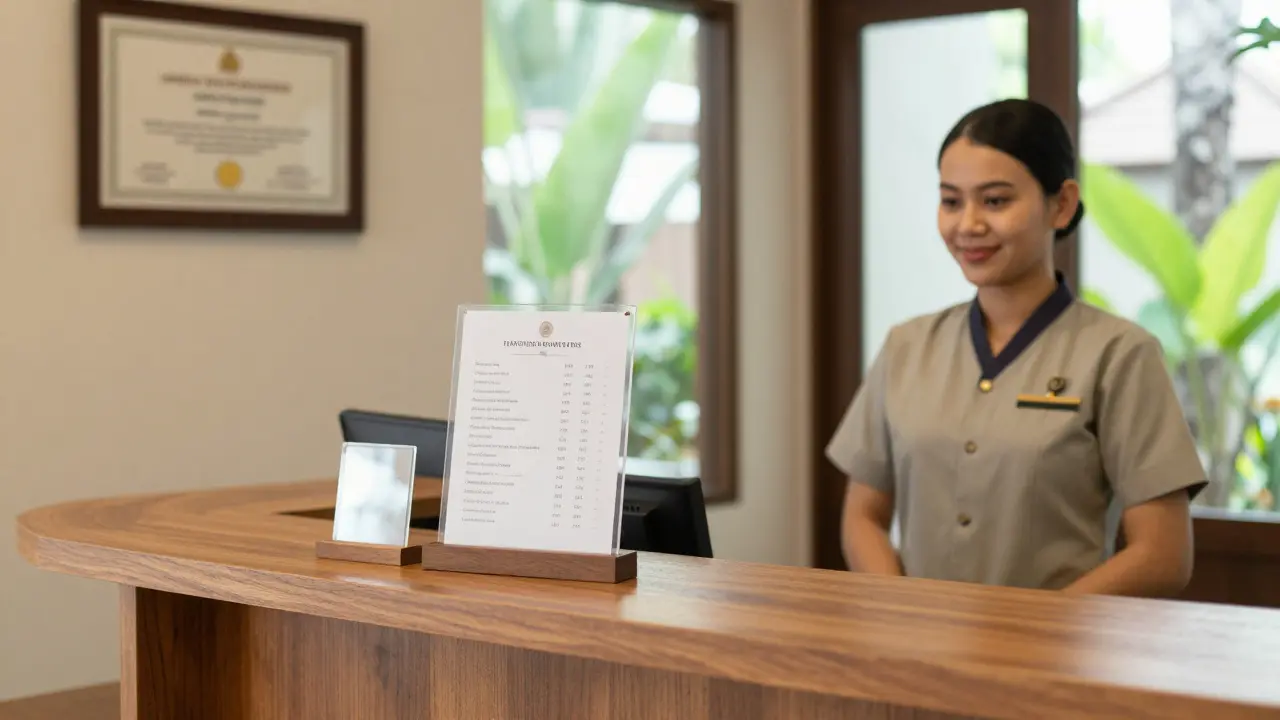
Legitimate Alternatives for Relaxation
You don’t need to risk your safety to enjoy a great massage in Thailand. The country offers some of the best therapeutic experiences in the world. Here are three safe and highly recommended options:
- Traditional Thai Massage: Originating over 2,500 years ago, this style combines Indian Ayurvedic principles with Chinese acupuncture. It is invigorating and perfect for relieving muscle tension. Try it at Wat Pho Hospital in Bangkok, the birthplace of Thai massage.
- Aromatherapy Massage: Uses essential oils to promote relaxation and reduce stress. Ideal for those who prefer a gentler touch. Many high-end hotels offer this service with certified aromatherapists.
- Foot Reflexology: Focuses on pressure points in the feet that correspond to different organs in the body. It is affordable, quick, and widely available. Popular chains like Health Land and Let’s Relax offer consistent quality across multiple locations.
These services are regulated, hygienic, and provided by trained professionals. You can book them online in advance, read verified reviews, and pay with credit cards-none of which are possible with illicit operations.
Safety Tips for Travelers
Even when visiting legitimate spas, it pays to stay alert. Here are practical steps to ensure your experience is safe and enjoyable:
- Research Ahead: Before your trip, identify 2-3 reputable spas in your area. Read recent reviews and check photos of the facility.
- Use Hotel Concierge: Hotels vet their partners carefully. Asking your concierge for recommendations is one of the safest ways to find quality services.
- Trust Your Gut: If something feels off, leave immediately. Don’t worry about being rude; your safety comes first.
- Keep Valuables Secure: Leave passports, large amounts of cash, and expensive jewelry in your hotel safe. Carry only what you need for the day.
- Know Emergency Contacts: Save the number for your embassy and local police (191) in your phone. In case of an emergency, know how to reach help quickly.
Remember, scams targeting tourists are common in major cities. A search for "escort Bangkok" might seem harmless, but it opens the door to exploitation and legal trouble. Stay informed and stick to legitimate channels.
Cultural Respect and Etiquette
Thailand is known as the "Land of Smiles," but respect goes both ways. When visiting a spa, follow basic etiquette to show appreciation for local customs:
- Dress Modestly: Even though you’ll change into a robe, wear modest clothing to and from the spa. Avoid revealing outfits in public areas.
- Remove Shoes: Always take off your shoes before entering a spa. This is a sign of respect in Thai culture.
- Tipping: Tipping is appreciated but not mandatory. 50-100 THB per session is generous for good service.
- Be Punctual: Arrive on time for your appointment. Late arrivals may result in shortened sessions or cancellation.
Understanding these norms helps build positive interactions with locals and enhances your overall travel experience.
What to Do If You Encounter Scams
Despite your best efforts, you might still encounter shady operators. Here’s how to handle common scenarios:
Scenario 1: Overcharging
If you’re charged more than agreed upon, remain calm. Ask for a receipt and explain the discrepancy. If they refuse, note the location and report it to tourist police (1155). Never get into a physical altercation.
Scenario 2: Pressure to Upgrade Services
Some staff may push expensive add-ons after you’ve started. Politely decline and stick to your original booking. If they persist, end the session and leave.
Scenario 3: Unwanted Advances
If a therapist behaves inappropriately, stop the session immediately. Exit the room and inform management. If no action is taken, document everything and report it to authorities.
Keeping records of transactions, photos, and witness statements can help if you need to file a complaint later.
Is body-to-body massage legal in Thailand?
No. Any massage service that involves sexual acts or solicitation is illegal under Thai law. While enforcement can be inconsistent, participants risk fines, detention, or deportation. Legitimate spas do not offer such services.
How much does a legitimate Thai massage cost?
Prices vary by location and quality. In Bangkok, expect to pay 300-800 THB ($9-$24 USD) for a one-hour session at a reputable chain. Luxury hotels may charge 1,500+ THB ($45+ USD). Extremely low prices (under 200 THB) are often a red flag.
Can I book a massage online safely?
Yes, using trusted platforms like Klook, GetYourGuide, or official spa websites ensures legitimacy. Avoid random blogs or social media ads promising "exclusive deals." Always verify the business name and address before booking.
What should I wear to a Thai massage?
Most spas provide disposable underwear and robes. Wear comfortable, loose-fitting clothes underneath. Remove all jewelry and watches before the session. Traditional Thai massage is done fully clothed, while oil massages require changing into provided attire.
Are there any health risks associated with illegal massage parlors?
Yes. Illegal establishments often lack proper sanitation, increasing the risk of skin infections, STDs, or other diseases. There is also a higher chance of encountering violent criminals or drug-related activities. Prioritize licensed spas for your health and safety.
Write a comment