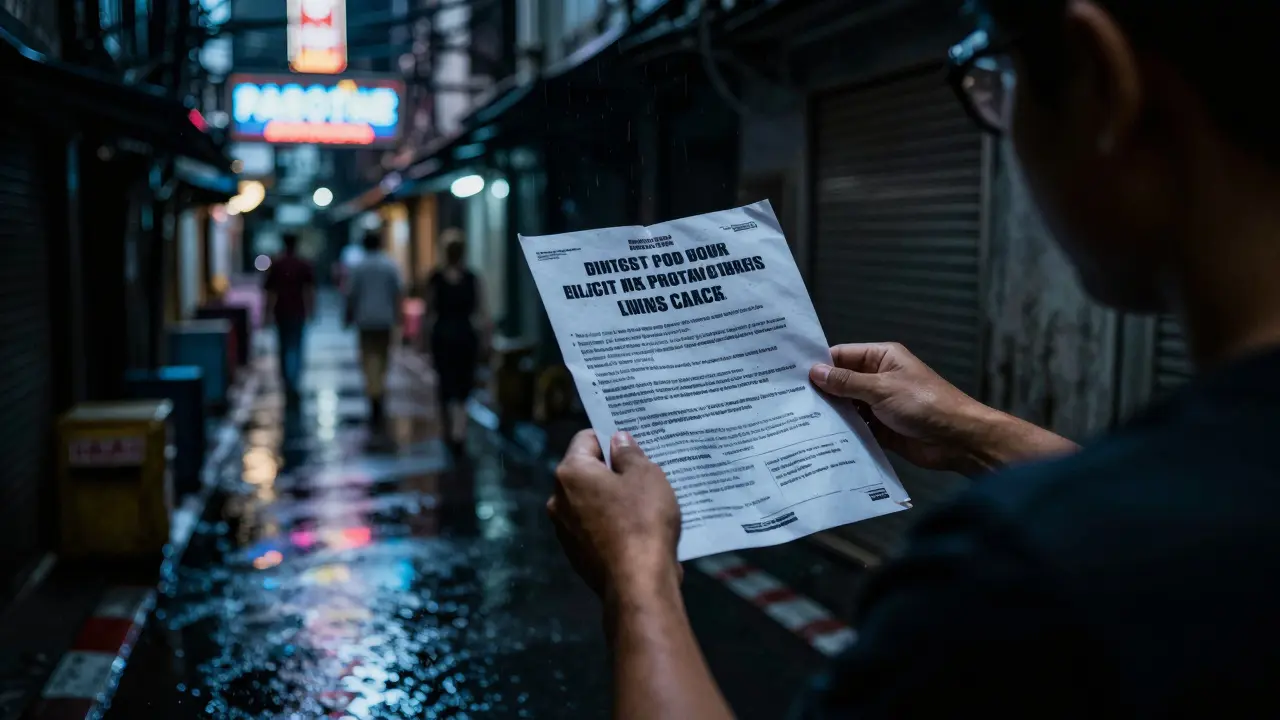
You’ve probably heard the term "happy ending massage" thrown around in travel forums, late-night conversations, or shady online ads. It’s a phrase that promises more than just relaxation-it hints at sexual services disguised as therapeutic touch. But here’s the hard truth: seeking out these services is illegal in most countries, carries serious health risks, and often supports human trafficking networks. If you’re traveling for leisure or business, understanding the reality behind this industry can protect your safety, your wallet, and your conscience.
Let’s cut through the myths. A legitimate massage therapist never offers sexual services. Professional bodies like the American Massage Therapy Association (AMTA) and the International Federation of Professional Arborists (IFPA) strictly prohibit any form of sexual contact during sessions. When you see an ad promising a “happy ending,” it’s not a spa experience-it’s a red flag for exploitation, scams, or criminal activity.
What Is a Happy Ending Massage, Really?
The term refers to a massage session that ends with sexual gratification, typically performed by the therapist on the client. While some people view it as a consensual adult service, the legal and ethical landscape tells a different story. In most jurisdictions, including the United States, Canada, Australia, and much of Europe, offering or soliciting sexual services under the guise of massage therapy is classified as prostitution-a criminal offense.
Even in countries where prostitution is legal or decriminalized, such as the Netherlands or Germany, strict regulations govern how and where these services can be offered. Operating outside those frameworks-like hiding behind a fake spa license-is still illegal. And in many Southeast Asian nations, despite widespread rumors, prostitution remains technically illegal, even if enforcement varies.
Here’s what most travelers don’t realize: the people offering these services are rarely free agents. Many are victims of coercion, debt bondage, or trafficking. By participating, you may inadvertently support systems that exploit vulnerable individuals.
Why This Industry Is Riskier Than You Think
Seeking out illegal sexual services isn’t just morally questionable-it’s dangerous. Here’s why:
- Health risks: Without proper screening or protection, exposure to sexually transmitted infections (STIs) like HIV, syphilis, or hepatitis is real. The World Health Organization reports that unprotected commercial sex increases STI transmission rates significantly.
- Scams and extortion: Many establishments lure clients with low prices, then demand exorbitant fees afterward. Some use threats, fake police raids, or blackmail to extract money.
- Legal consequences: Arrests for solicitation can lead to fines, deportation, or bans from re-entering a country. Even if you’re not caught, being associated with illicit activities can ruin reputations and careers.
- Supporting exploitation: Studies show that up to 50% of women in informal sex work in certain regions are trafficked. Your participation fuels this cycle.
In cities like Bangkok, Pattaya, or Bali, tourists often assume they’re engaging in harmless fun. But behind closed doors, many workers operate under duress, controlled by gangs or corrupt officials who take a large cut of their earnings. Choosing ethical alternatives doesn’t just keep you safe-it helps dismantle harmful systems.
Legal and Ethical Alternatives for Relaxation
If you’re looking to unwind after a long flight or stressful trip, there are plenty of legitimate options that deliver genuine relaxation without crossing legal or moral lines.
Look for spas affiliated with recognized certifications like the International Spa Association (ISPA) or local tourism boards. These venues employ trained therapists who follow hygiene standards, use licensed oils and techniques, and respect professional boundaries. Services range from Swedish massages to deep tissue therapy, aromatherapy, and hot stone treatments-all designed to reduce stress, improve circulation, and restore balance.
Many hotels now offer in-room wellness packages through verified partners. Apps like Treatwell or StyleSeat let you book certified practitioners nearby, complete with reviews and transparent pricing. For solo travelers, group yoga retreats or meditation workshops provide holistic benefits while connecting you with like-minded people.
And yes, some cultures have traditional practices that involve full-body touch, such as Thai massage or Balinese oil rubs. These are deeply rooted in healing traditions and performed with clear consent and professionalism. Always ask about credentials before booking.
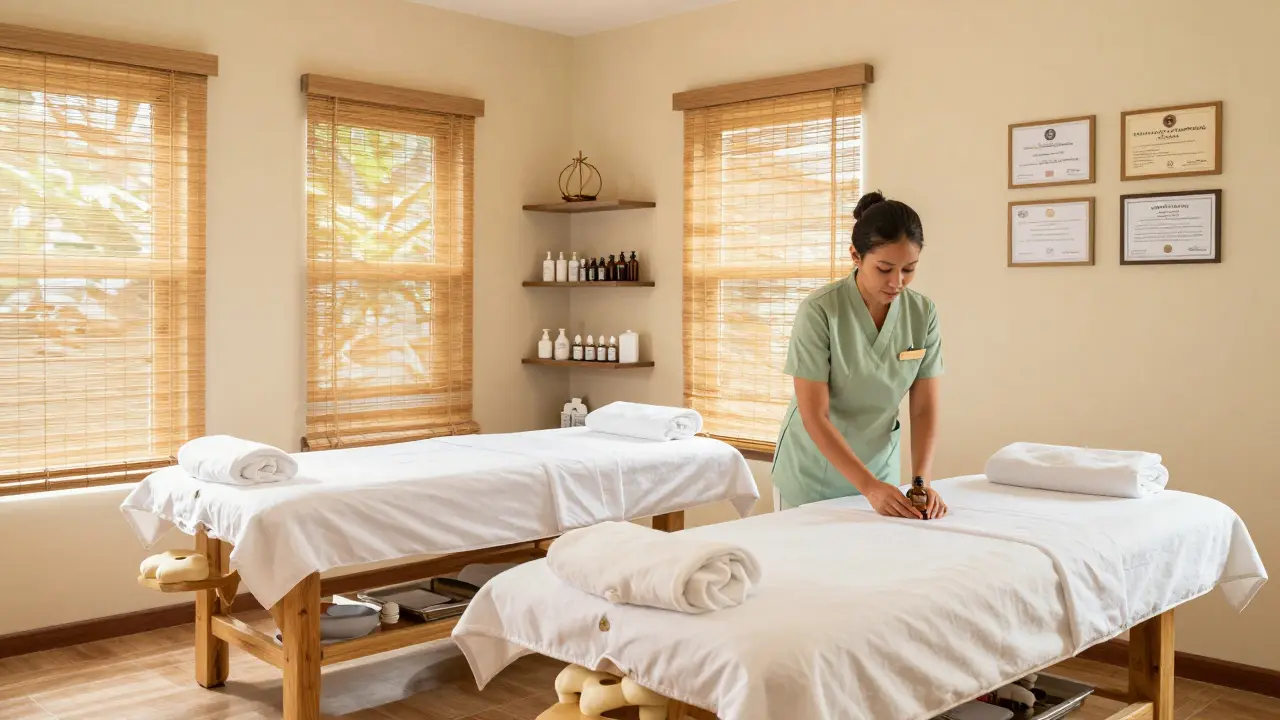
How to Spot a Legitimate Spa vs. a Front
Not every place advertising “massage” is trustworthy. Here’s how to tell the difference:
| Feature | Legitimate Spa | Suspicious Venue |
|---|---|---|
| Licensing | Visible business license, therapist certifications | No permits displayed, vague staff info |
| Pricing | Clear menu, upfront costs | Vague quotes, hidden fees, “special deals” |
| Environment | Clean, well-lit, private rooms with locks | Dark corridors, no signage, secluded locations |
| Staff Behavior | Professional attire, respectful communication | Provocative clothing, suggestive language |
| Online Presence | Verified reviews, official website | Fake testimonials, anonymous social media |
When in doubt, check with your hotel concierge or local tourism office. They’ll steer you toward reputable spots. Avoid places advertised via flyers on street corners, unsolicited texts, or dubious websites.
Understanding Global Laws Around Prostitution and Massage
Laws vary wildly across borders, which confuses many travelers. Let’s break it down:
- United States: Prostitution is illegal in all states except rural Nevada counties. Soliciting sexual services-even privately-is a misdemeanor or felony depending on jurisdiction.
- Thailand: Technically illegal, but widely tolerated in tourist zones. Enforcement spikes during political crackdowns or international pressure campaigns.
- Netherlands: Legal and regulated in designated red-light districts. Workers must register, pay taxes, and undergo health checks.
- Germany: Decriminalized since 2002. Brothels operate legally with labor protections and mandatory ID registration.
- Australia: Varies by state. NSW and Victoria allow licensed brothels; others restrict or ban them entirely.
Even in legal markets, operating without a license-or pretending to be a massage parlor when you’re not-is punishable by law. Don’t assume tolerance equals legality.

The Human Cost Behind the Curtain
Beyond personal risk lies a deeper issue: human suffering. According to the United Nations Office on Drugs and Crime (UNODC), an estimated 4.8 million people worldwide are trapped in forced labor, with sexual exploitation accounting for nearly half of all cases. Many enter the industry believing they’ll earn good money, only to find themselves indebted to recruiters or pimps who control their movements.
In countries like Cambodia, Myanmar, and parts of India, children as young as 12 are coerced into sex work due to poverty, lack of education, or family desperation. Tourist demand drives this market, creating a vicious cycle where supply meets perceived need.
Organizations like Polaris Project and ECPAT International work tirelessly to rescue survivors, prosecute traffickers, and advocate for policy changes. Supporting them-through donations or awareness-is far more impactful than chasing fleeting pleasure.
What Travelers Should Do Instead
Your vacation shouldn’t come at someone else’s expense. Here’s how to enjoy yourself responsibly:
- Book through trusted platforms: Use Booking.com, TripAdvisor, or Airbnb Experiences to find vetted spas and wellness centers.
- Ask questions: Call ahead to confirm licensing, therapist qualifications, and service descriptions.
- Respect boundaries: Never request anything beyond agreed-upon services. Consent matters everywhere.
- Report suspicious activity: If you witness exploitation, contact local authorities or NGOs like IOM or UN Women.
- Educate fellow travelers: Share knowledge about ethical tourism. One conversation can change another person’s choices.
Remember, true relaxation comes from peace of mind-not guilt or fear. Invest in experiences that nourish your body and soul without harming others.
Final Thoughts: Choose Wellness Over Exploitation
The allure of a “happy ending” might seem tempting, especially when stressed or lonely abroad. But the cost-legal, physical, emotional, and societal-is too high. Real wellness thrives in environments built on trust, transparency, and mutual respect.
Next time you plan a getaway, prioritize certified spas, cultural immersion activities, and self-care rituals that align with your values. You’ll return home refreshed, not regretful. And who knows? That mindful approach might just become your new favorite travel habit.
Is getting a happy ending massage illegal?
Yes, in most countries, including the US, UK, Canada, and Australia, soliciting or receiving sexual services under the guise of massage therapy is considered prostitution and is illegal. Even in places where prostitution is legal, unlicensed operations remain unlawful.
Can I get arrested for going to a massage parlour that offers happy endings?
Absolutely. Police routinely raid establishments suspected of facilitating prostitution. Clients face charges ranging from misdemeanors to felonies, potential fines, jail time, and immigration consequences if visiting internationally.
Are there any countries where happy ending massages are completely legal?
No country explicitly legalizes “happy ending massages” as a category. However, nations like the Netherlands and Germany regulate prostitution within specific frameworks. Outside those systems, similar services remain illegal regardless of location.
How do I know if a massage place is legitimate?
Look for visible licenses, professional staff uniforms, clear pricing menus, positive verified reviews, and affiliations with recognized associations like ISPA or AMTA. Avoid dimly lit venues with ambiguous offerings or aggressive sales tactics.
What should I do if I accidentally end up in an illicit situation?
Leave immediately without paying extra. Document details discreetly if safe, report incidents to local embassies or anti-trafficking hotlines, and seek medical evaluation afterward. Prioritize your safety over embarrassment.
Write a comment