
Walking into a dungeon or joining a local munch can feel intimidating if you are new to the world of BDSM, which is an umbrella term for Bondage, Discipline, Dominance, Submission, Sadism, and Masochism. It covers a wide range of consensual power exchange dynamics and sensory play. Many people assume it is only about pain or extreme scenarios, but at its core, it is about trust, communication, and exploring boundaries with a partner who respects your limits.
If you have ever felt curious about trying something new in your intimate life, you are not alone. The kink community is vast, diverse, and surprisingly welcoming to those who approach it with an open mind and a commitment to safety. Understanding the basics before you dive in can make all the difference between a transformative experience and a regrettable one.
The Pillars of Safe Play
Safety is not just a suggestion in this space; it is the foundation. Without clear safety protocols, these activities become dangerous rather than playful. There are two main frameworks used to describe ethical practices: SSC, which stands for Safe, Sane, and Consensual, and RACK, which means Risk-Aware Consensual Kink.
- SSC: This older model emphasizes that all activities should be physically safe, mentally sound, and agreed upon by everyone involved. It is great for beginners because it sets a high bar for caution.
- RACK: This modern approach acknowledges that some kinks inherently carry risks (like breath play or heavy impact). Instead of pretending there is no risk, RACK requires that all parties fully understand the potential dangers and still choose to participate willingly.
Both models agree on one non-negotiable rule: consent must be enthusiastic, informed, and reversible at any time. You do not owe anyone access to your body, and saying "no" should never result in pressure or punishment outside of pre-negotiated roleplay scenarios.
Communication Before Action
You might think that talking about desires kills the mood, but in reality, it builds the anticipation and trust needed for intense experiences. A good scene starts long before any rope is tied or paddle is picked up. It starts with a conversation.
Discuss your hard limits first. These are things you will absolutely not do under any circumstances. Then talk about soft limits-activities you are hesitant about but might try with extra care. Be specific. If you are interested in bondage, specify the type of restraint you prefer, such as silk ties versus leather cuffs. Are you okay with being blindfolded? Do you have any medical conditions, like nerve sensitivity or circulation issues, that could complicate certain positions?
Establishing a safe word is critical. This is a predetermined word or signal that immediately stops all activity when spoken. Common choices include "red" for stop, "yellow" for slow down or check in, and "green" for continue. If you cannot speak due to gagging or positioning, use a non-verbal signal, like dropping three keys from your hand or tapping out twice.
Finding Your Community
One of the biggest myths is that you need to live in a major city to find partners or events. While hubs like San Francisco, Berlin, or London have large scenes, smaller towns often have tight-knit groups that meet regularly. The internet has democratized access to education and connection.
Start by looking for "munches." A munch is a casual meeting of kink-curious people at a public place, like a coffee shop or restaurant. No gear, no roleplay, just talking. It is the safest way to meet locals and gauge the vibe of the community. Websites like FetLife serve as social networks for this purpose, allowing you to search for events near you without exposing your identity to the general public.
If you are traveling, researching local scenes can add an exciting layer to your trip. For instance, travelers visiting Southeast Asia might look into nightlife options, though they should exercise caution and verify the legitimacy of services, as distinguishing between legitimate adult entertainment and illegal exploitation can be complex. Some tourists mistakenly search for terms like Bangkok escort hoping to find companionship, but it is crucial to prioritize legal and ethical interactions. Always respect local laws and cultural norms. Similarly, searching for escort Bangkok services online often leads to unregulated platforms where safety cannot be guaranteed. In the context of BDSM, seeking professional dominants or educators through reputable agencies or verified profiles is vastly different from engaging with street-level solicitation. Stick to established communities and verified venues to ensure your safety and respect for others.
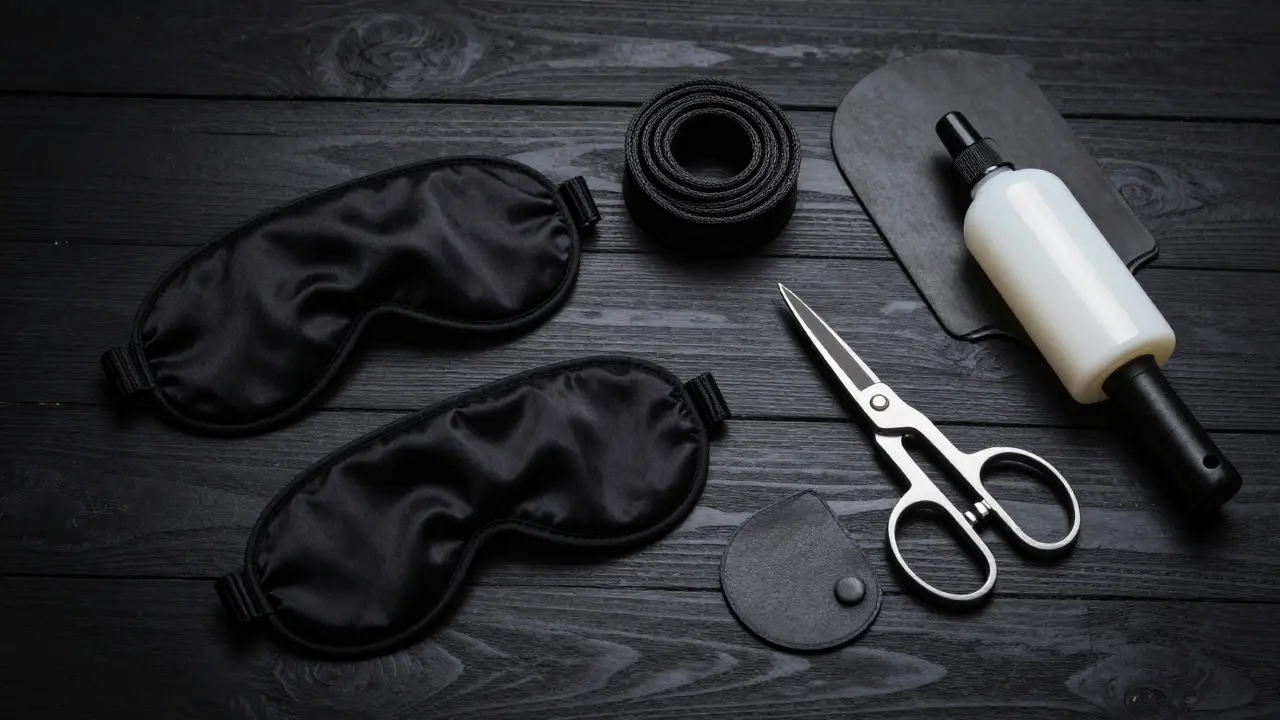
Essential Gear for Beginners
You do not need a closet full of expensive toys to start. In fact, starting simple helps you learn what you actually enjoy without overwhelming yourself or your partner. Here are a few accessible items to consider:
- Silk Scarves: Perfect for gentle bondage and blindfolds. They are soft on the skin and easy to remove quickly if needed.
- Nylon Rope: Safer than cotton for binding because it does not stretch and holds knots securely without cutting off circulation as easily. However, always keep trauma shears nearby.
- Paddles: Look for ones with handles and rounded edges. Avoid anything with sharp corners or excessive weight until you have developed control.
- Lubricant: Essential for any play involving penetration or friction. Use water-based lubes with silicone toys to avoid damage.
Avoid using household items like electrical cords, zip ties, or duct tape. These materials can cause severe injury, cut off blood flow, or trap heat against the skin. Invest in gear designed specifically for human bodies.
Aftercare: The Underrated Step
Aftercare is the period following a scene where partners reconnect, comfort each other, and return to a baseline emotional state. It is not optional; it is necessary. During intense play, the body releases adrenaline and endorphins. When the scene ends, these chemicals drop rapidly, which can lead to feelings of vulnerability, sadness, or even shaking-a phenomenon sometimes called "sub drop" or "dom drop."
Good aftercare includes:
- Providing water and snacks to replenish energy.
- Cuddling or holding hands to maintain physical connection.
- Talking about what went well and what could be improved.
- Checking in emotionally: "How are you feeling right now?"
Skipping aftercare can damage trust and leave partners feeling used or neglected. Treat it with the same importance as the negotiation phase.

Common Pitfalls to Avoid
Even experienced practitioners make mistakes. Here are a few common errors that beginners should watch out for:
- Assuming Consent: Just because someone says yes once does not mean they say yes forever. Re-check in during the scene, especially if intensity increases.
- Ignoring Pain Signals: Distinguish between "good pain" (impact play) and "bad pain" (nerve damage or joint strain). If you hear a cry of distress that differs from the usual moans, stop immediately.
- Overcomplicating Scenes: Start with one element at a time. Trying to combine bondage, sensation play, and roleplay in your first session is a recipe for confusion and error.
- Public Exposure Risks: Never engage in explicit acts in public spaces unless it is a designated venue. Laws vary widely, and discretion protects both you and the community.
Building Trust Over Time
Trust is the currency of BDSM. It takes time to build and seconds to break. Be patient with yourself and your partners. Not every interaction will be perfect, and that is okay. What matters is how you handle mistakes-with honesty, apology, and a commitment to do better next time.
Remember, your journey is unique. There is no "right" way to practice BDSM, only ways that work for you and your consenting partners. Keep learning, keep communicating, and prioritize your well-being above all else.
Is BDSM only for people with psychological issues?
No. Research shows that many individuals who engage in BDSM have healthy relationships and normal psychological profiles. It is a form of consensual sexual expression, not a disorder.
How do I know if my partner is respecting my limits?
A respectful partner will ask for clear consent, listen to your concerns, and stop immediately if you use your safe word. They will also check in with you during and after the scene.
Can I practice BDSM safely alone?
Self-bondage carries significant risks, including loss of circulation or inability to free yourself. If you choose to explore solo, use quick-release mechanisms and never tie yourself in a way that restricts breathing or movement for extended periods.
What is the difference between a dominant and a top?
A top is the person initiating physical action (like tying or hitting), while a dominant holds psychological power in a dynamic. One can be a top without being a dominant, and vice versa.
Where can I find educational resources?
Books like "The New Topping Book" and "The New Bottoming Book" by Dossie Easton and Janet Hardy are excellent starting points. Online forums and local munches also provide valuable peer support.
Write a comment