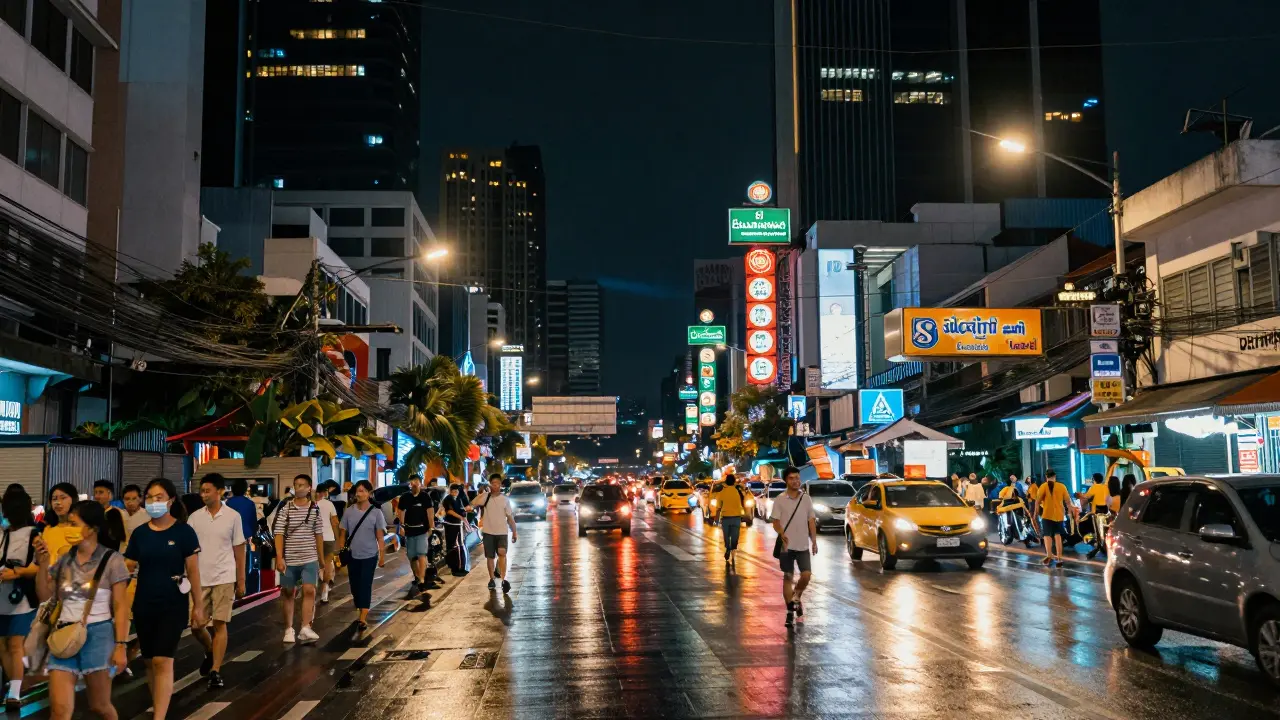
Walking down the neon-lit streets of Bangkok, the capital city of Thailand known for its vibrant street life, diverse culture, and bustling entertainment districts can feel like stepping into a movie set. The energy is electric, the food smells incredible, and the night seems to stretch on forever. For many travelers, this city offers an unforgettable mix of tradition and modernity. However, navigating the social landscape-especially in areas famous for nightlife-requires more than just curiosity; it demands awareness, respect, and a clear understanding of local laws.
If you are planning a trip to Thailand’s capital, your goal is likely to experience the culture, enjoy the hospitality, and stay safe. The internet is full of misleading information about what to expect in places like Sukhumvit or Silom. This guide cuts through the noise. We will focus on how to engage with the local community respectfully, understand the legal boundaries regarding sex work, and make the most of the legitimate social opportunities Bangkok has to offer. Whether you are looking for a lively bar hop, a quiet coffee chat, or simply want to avoid common tourist traps, this article provides the practical insights you need.
Understanding the Legal Landscape
Before exploring any nightlife destination, it is crucial to understand that prostitution is illegal in Thailand, a Southeast Asian country with strict laws against commercial sex, despite its widespread presence in certain areas. While enforcement varies by district and time, the law remains clear. Engaging in illegal activities can lead to fines, deportation, or imprisonment. Many visitors mistakenly believe that because certain services are visible or advertised, they are legal or socially acceptable. This misconception puts travelers at significant risk.
The Thai government periodically conducts crackdowns on establishments involved in illegal sex work. Tourists who participate may find themselves caught up in police operations, which can disrupt their trip and cause serious legal trouble. It is essential to distinguish between legitimate entertainment venues and those operating outside the law. Legitimate bars, clubs, and restaurants operate openly, serve alcohol responsibly, and welcome all customers regardless of their intentions. These are the places where you can safely enjoy music, drinks, and conversation without fear of legal repercussions.
| Activity | Legality Status | Risk Level | Recommendation |
|---|---|---|---|
| Visiting licensed bars | Legal | Low | Highly recommended |
| Dancing at nightclubs | Legal | Low | Enjoy responsibly |
| Paying for companionship | Illegal | High | Avoid completely |
| Entering unlicensed massage parlors | Often illegal | Medium-High | Choose reputable spas only |
Navigating Popular Nightlife Districts
Bangkok’s nightlife is spread across several distinct neighborhoods, each with its own character. Knowing where to go helps you align your expectations with reality. Some areas are geared toward tourists seeking high-energy environments, while others cater to locals and expats looking for relaxed atmospheres.
Sukhumvit Road, a major thoroughfare in Bangkok known for its dense concentration of bars, clubs, and hotels is perhaps the most famous strip for nightlife. Areas like Soi 11 (Nana Plaza) and Soi 4 (Nana) have gained notoriety for being hubs of adult entertainment. If your interest lies in genuine cultural exchange or casual socializing, these sois may not be the best fit. Instead, consider exploring nearby Sois like Soi 39 or Soi 55, which feature trendy cocktail bars, live music venues, and international cuisine. These spots attract a mix of young professionals, digital nomads, and seasoned travelers who value atmosphere over illicit activities.
Another excellent option is Thong Lor, an upscale neighborhood in eastern Bangkok popular among expats and affluent locals. This area boasts sophisticated lounges, rooftop bars, and chic restaurants. It is ideal for those who prefer a more refined environment. You can easily strike up conversations here without feeling pressured into anything uncomfortable. Similarly, Silom, a central business district that transforms into a vibrant nightlife zone after dark offers a blend of traditional Thai pubs and modern clubs. Patpong, located within Silom, is often associated with red-light tourism, but walking just a few blocks away reveals quieter streets filled with authentic eateries and friendly locals.
Socializing Respectfully: Cultural Etiquette
Thai culture places a strong emphasis on politeness, harmony, and saving face. When interacting with people in social settings, keeping these values in mind goes a long way. Avoid loud behavior, aggressive flirting, or public displays of anger. Such actions can be seen as disrespectful and may alienate potential friends. A simple smile, polite greeting (“Sawasdee krub/ka”), and willingness to listen show that you appreciate the local customs.
Language barriers can sometimes hinder connection, but technology bridges this gap effectively. Apps like Google Translate allow real-time communication in multiple languages. Learning basic phrases such as “Thank you” (Khop khun ka/krub) demonstrates effort and goodwill. Most Thais are incredibly welcoming and enjoy sharing stories about their lives, families, and traditions. Building rapport takes patience, but the rewards are meaningful connections that enrich your travel experience.
It is also important to recognize gender dynamics in social situations. In many Western countries, approaching strangers in bars might be considered normal. In Thailand, however, unsolicited advances can make women uncomfortable. Always seek consent before initiating contact. If someone declines interaction, accept it gracefully. Respecting personal boundaries fosters trust and encourages positive interactions.
Safety Tips for Solo Travelers
While Bangkok is generally safe for tourists, vigilance is key. Scams targeting foreigners are common, particularly in nightlife zones. One frequent scam involves fake taxi drivers charging exorbitant fares or taking circuitous routes. To avoid this, use ride-hailing apps like Grab or Bolt, which provide transparent pricing and driver ratings. Another trick involves bartenders spiking drinks or inflating bills. Stick to well-known establishments and keep an eye on your beverage at all times.
Pickpocketing occurs in crowded areas like Khao San Road or during festivals. Keep valuables secure in zipped pockets or money belts. Do not flash expensive jewelry or large amounts of cash. Additionally, be cautious when accepting invitations from new acquaintances. While most people mean well, some may try to lure you into unsafe locations. Trust your instincts-if something feels off, leave immediately.
- Use registered transportation services instead of hailing random taxis.
- Keep copies of important documents separate from originals.
- Inform someone trusted about your whereabouts when going out late.
- Avoid walking alone in poorly lit alleys or deserted parks.
- Carry emergency contacts including your embassy’s number.
Alternative Ways to Meet People
If your aim is to meet locals or fellow travelers organically, there are numerous alternatives to nightlife-centric approaches. Joining group tours, attending cooking classes, or volunteering with local organizations creates natural opportunities for bonding. Platforms like Meetup.com list events ranging from hiking trips to language exchanges. Participating in these activities allows you to connect with individuals who share similar interests.
Cultural immersion programs offer deeper engagement with Thai society. Visiting temples, participating in Buddhist ceremonies, or learning traditional dance provides insight into daily life beyond the tourist bubble. These experiences foster mutual respect and understanding. Moreover, staying in guesthouses rather than luxury hotels increases chances of meeting other backpackers or long-term residents eager to share tips and recommendations.
Health Considerations
Maintaining good health while traveling abroad requires proactive measures. Drink bottled water, eat cooked foods, and carry hand sanitizer. Air quality in Bangkok can fluctuate due to traffic emissions and seasonal burning practices. Check AQI levels daily and wear masks if necessary. Vaccinations for hepatitis A, typhoid, and rabies are advisable depending on your itinerary. Consult a healthcare provider before departure to ensure proper preparation.
Mental health matters too. Jet lag, unfamiliar surroundings, and sensory overload can take a toll. Schedule downtime to recharge. Practice mindfulness techniques or journaling to process emotions. Remember, it is okay to step back from intense environments and retreat to calm spaces like botanical gardens or meditation centers.
Is it safe to walk around Bangkok at night?
Yes, provided you stay in well-lit, populated areas and remain aware of your surroundings. Major tourist districts like Sukhumvit and Silom are patrolled regularly. Avoid isolated shortcuts and always inform someone of your plans.
What should I do if approached by someone offering paid companionship?
Politely decline and move away. Engaging in such transactions violates Thai law and exposes you to potential scams or exploitation. Focus instead on building genuine relationships through shared interests.
Are there age restrictions for entering bars in Bangkok?
Yes, the legal drinking age in Thailand is 20 years old. Venues may request ID verification. Underage patrons attempting to enter could face denial of service or legal consequences.
How can I find reliable information about nightlife options?
Consult official tourism websites, read recent reviews on platforms like TripAdvisor, and ask hotel staff for suggestions. Avoid relying solely on forums promoting questionable activities.
Can I date locals legally in Thailand?
Absolutely. Consensual romantic relationships between adults are perfectly legal. Ensure both parties enter willingly and communicate openly about expectations. Marriage requires additional documentation and procedures.
Write a comment