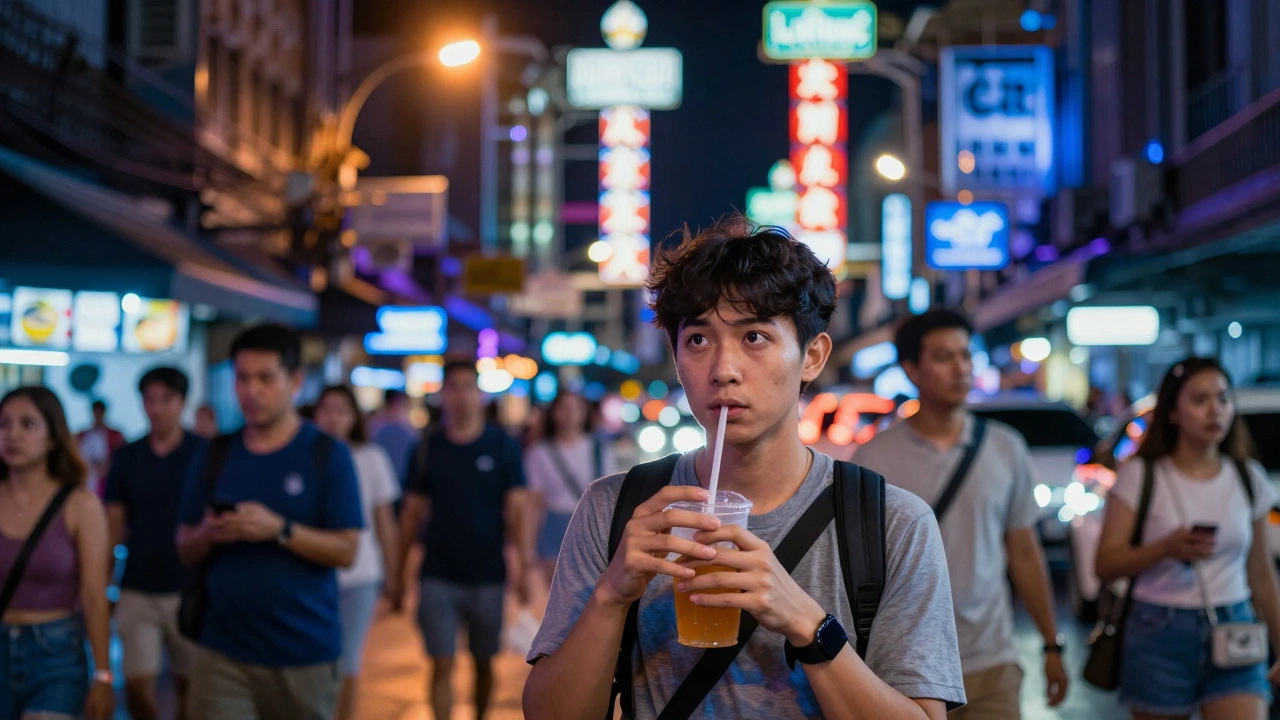
Walking down Khao San Road or hopping into a club in Sukhumvit feels electric. The bass is thumping, the lights are flashing, and you’re ready to experience one of the world’s most famous party scenes. But there is a dark undercurrent to this excitement that every traveler needs to acknowledge. Bangkok nightlife safety isn’t just about watching your wallet; it is about protecting your physical autonomy from a coordinated criminal practice known as drink spiking.
This isn’t a rumor or an urban legend. It is a documented public health crisis recognized by Thai authorities and foreign governments alike. The Thai Food and Drug Administration (FDA) has issued formal warnings after confirming cases where tourists suffered seizures, required hospitalization, or even died from toxic substances added to their drinks. Understanding the mechanics of this threat-and how to neutralize it-is the difference between a memorable vacation and a life-altering tragedy.
The Reality of Substances Used in Bangkok
To stay safe, you first need to know what you are up against. The substances used in these incidents are not random household chemicals; they are potent, controlled psychotropic drugs that act with terrifying speed. According to documentation from the Thai FDA, the most common agents include GHB (gamma-hydroxybutyrate), alprazolam, ketamine, and flunitrazepam.
These drugs are classified as controlled narcotics in Thailand, meaning they are illegal to buy on the street but unfortunately available through illicit online marketplaces and corrupt supply chains. What makes them so dangerous is their onset time. Effects typically kick in within 10 to 20 minutes of ingestion. By the time you feel dizzy, confused, or weak, the window to seek help has already narrowed significantly.
Symptoms progress rapidly. You might start with blurred vision and nausea, then move to severe drowsiness and breathing difficulties. In critical cases, victims experience seizures. There is also a more lethal variant involving methanol contamination. Methanol, a toxic substance found in antifreeze, has been linked to the deaths of international tourists, including a 38-year-old British national who died after consuming contaminated drinks. This isn’t just about being knocked out; it is about surviving potential poisoning.
Hotspot Awareness: Where the Risk Is Highest
Risk is not evenly distributed across the city. Criminals target areas with high tourist density and low local oversight. While incidents can happen anywhere, certain locations have been flagged repeatedly by safety apps like the Thailand Safe App and reported by travelers.
- Khao San Road: The backpacker hub in Bangkok is a primary hotspot due to its sheer volume of transient visitors.
- Walking Street, Pattaya: Often grouped with Bangkok risks in government warnings due to similar venue dynamics.
- Bangla Road, Phuket: Another major tourist corridor where vigilance is strictly advised.
The vulnerability here stems from unfamiliarity. Tourists often trust service personnel implicitly, may struggle with language barriers when trying to verify orders, and frequently carry cash or valuables that make them targets for robbery once incapacitated. If you are visiting these areas, assume that the environment requires heightened scrutiny.
The Eight-Step Prevention Protocol
The Thai FDA, led by Secretary-General Ms. Supattra Boonserm, has outlined eight specific behavioral recommendations. These are not suggestions; they are survival strategies based on forensic evidence from past incidents. Memorize them before you go out.
- Never leave your drink unattended. Even for a second. If you put it down to dance or use the restroom, consider it compromised.
- Do not return to an old glass. If you set your drink down, abandon it. Order a fresh one.
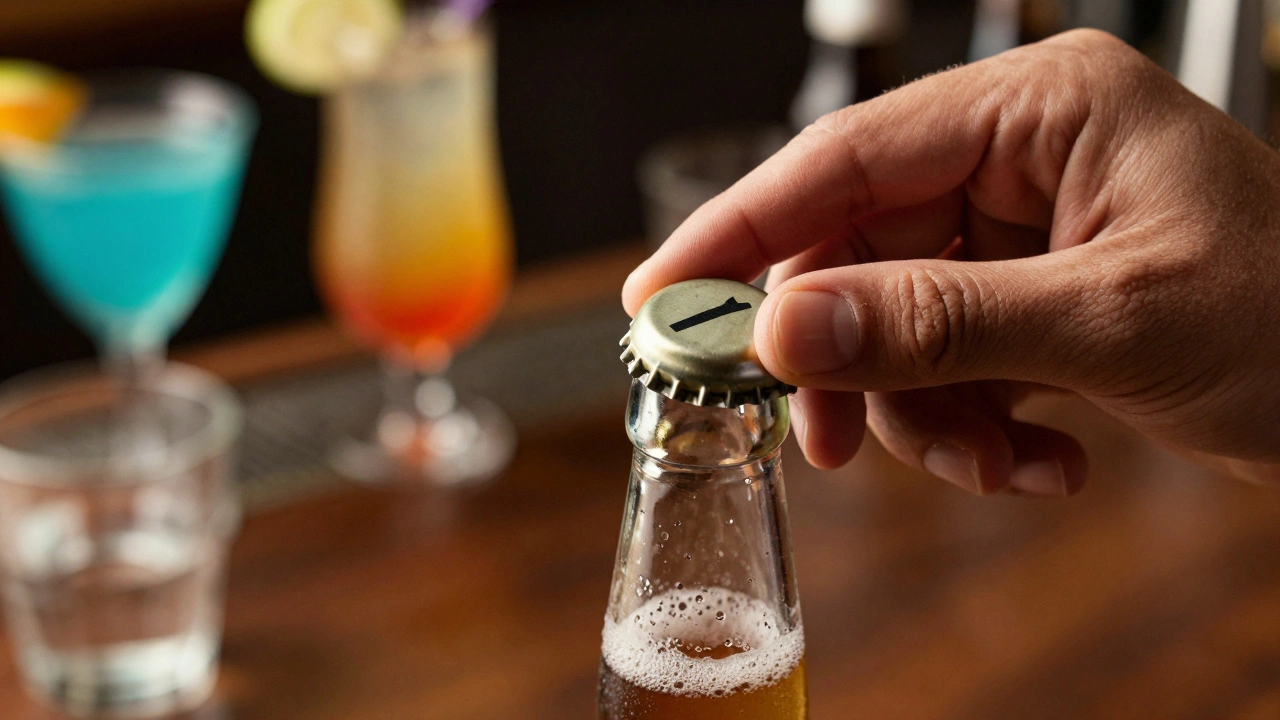
- Only consume sealed bottles. This is the single most effective rule. Beer bottles with intact seals allow you to verify the contents haven’t been tampered with. Open the bottle yourself.
- Go out in groups. Solo travelers are easier targets. Stay with friends who know the signs of distress.
- Watch your companions. Look for unusual symptoms in your group-slurred speech, sudden weakness, or confusion.
- Refuse gifts from strangers. Do not accept food, drinks, or cigarettes from people you do not personally know, no matter how friendly they seem.
- Alert staff immediately. If someone looks unwell, notify venue security or trusted friends right away. Do not wait.
- Get medical help fast. Transport affected individuals to a hospital immediately. Do not let them leave with unknown "friends" or bartenders who claim they can help.
Avoiding the Tab Padding Scam
Drink spiking rarely happens in isolation. It is often paired with a financial scam known as tab padding. Bartenders add unauthorized charges to your bill, such as "lady drinks," duplicate orders, or inflated totals. The logic is cruel but simple: if you are drugged, you cannot contest the bill.
To protect your wallet alongside your health, insist on seeing your receipt line-by-line before paying. Use credit cards rather than cash when possible, as this creates a digital record of the transaction. If the bill looks wrong, do not argue aggressively; instead, ask to speak to a manager or walk away. Your safety is more important than a disputed charge.
What to Do If You Suspect Spiking
If you feel suddenly ill while out, panic will only slow you down. Follow this immediate action plan:
First, get away from the bar or club. Move to a well-lit, public area. Second, contact emergency services. Thailand has dedicated hotlines for this exact scenario. The FDA Hotline at 1556 is available for reporting suspected incidents. For tourists, the Tourist Police Helpline at 1155 operates 24/7 in English. They can assist with crimes, including assault and robbery resulting from spiking.
Third, seek medical attention. Hospitals in Bangkok are equipped to identify substance exposure through blood tests. Tell doctors exactly what you drank and when you felt symptoms. This information is crucial for treatment and for any subsequent legal investigation.
Navigating Foreign Government Warnings
You are not alone in taking this seriously. The British Foreign, Commonwealth and Development Office has issued official warnings to UK citizens, noting that alcohol in Thai bars is often stronger than in the UK and that mixing it with drugs creates extreme vulnerability. Similar advisories exist from other Western governments.
These warnings highlight a key reality: the risk is escalating. Recent data suggests an increase in incidents severe enough to warrant official public alerts. This indicates organized criminal activity rather than isolated accidents. Treat these warnings as factual intelligence, not fear-mongering.
Smart Choices for Safer Drinking
You don’t have to avoid nightlife entirely, but you must change how you engage with it. Stick to venues with strong reputations among long-term expats rather than those heavily marketed to day-trippers. Expats often share knowledge about which bars are clean and which are risky.
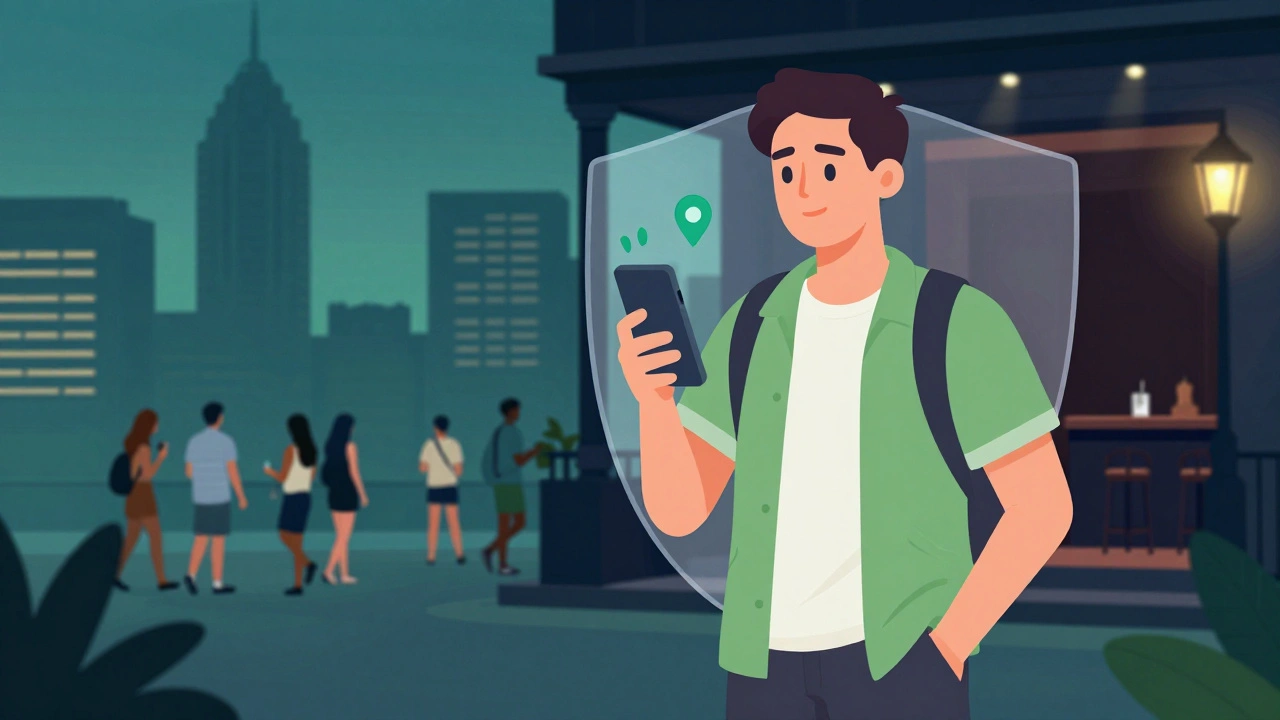
Prefer beer over cocktails. Cocktails involve multiple ingredients and preparation steps that are hard to monitor. A sealed beer bottle is transparent in its integrity. Also, keep your phone charged and accessible. Share your location with a trusted friend back home via messaging apps. This ensures someone knows where you are if you become unable to communicate.
Is drink spiking common in Bangkok?
Yes, it is a significant concern. The Thai FDA and foreign governments like the UK Foreign Office have issued formal warnings due to confirmed cases involving controlled psychotropic drugs and methanol. Incidents are concentrated in tourist-heavy areas like Khao San Road.
What are the symptoms of being drugged?
Symptoms appear quickly, within 10-20 minutes. They include dizziness, drowsiness, confusion, blurred vision, weakness, nausea, vomiting, and difficulty breathing. Severe cases can lead to seizures or death, particularly if methanol is involved.
Which drinks are safest in Bangkok clubs?
Sealed beer bottles are the safest option because you can verify the seal is intact and open it yourself. Avoid mixed drinks or cocktails where the preparation process is not fully visible, as these are higher risk for tampering.
Who should I call if I suspect drink spiking?
Call the Thai FDA hotline at 1556 for reporting incidents. For tourist assistance, including crime support, call the Tourist Police helpline at 1155, which is available 24/7 in English. Seek immediate medical attention at a nearby hospital.
What is tab padding?
Tab padding is a scam where bartenders add unauthorized charges to your bill, such as extra drinks or inflated prices. It often accompanies drink spiking, as incapacitated victims cannot contest the final amount. Always review your receipt carefully before paying.
Write a comment