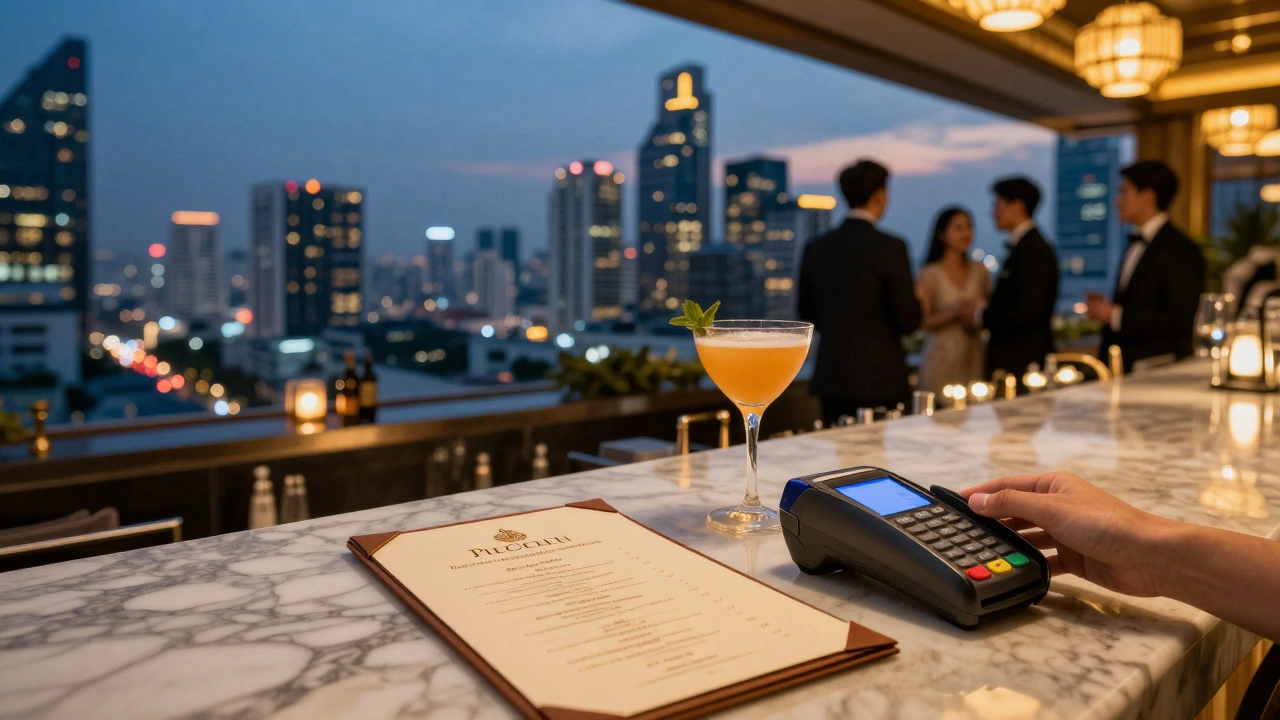
Walking into a rooftop bar in Bangkok, the capital city of Thailand known for its vibrant street life and luxury hospitality sector on New Year’s Eve feels different. The energy is electric, the skyline is glowing, but your wallet feels the pinch before you even order a drink. You might have seen the menu prices, but those numbers are just the starting line. By the time you hand over your card, you’re paying for more than just the ice and spirits. You’re paying for the date.
If you’re planning a trip to Thailand during its major festive periods-be it the chaotic joy of Songkran, Thailand's traditional New Year festival celebrated in mid-April with water fights in April or the glamorous rush of December-you need to understand how the billing works. It isn’t just one fee. It’s a layered system of taxes, mandatory charges, and seasonal premiums that can push your final bill up by nearly double what you expect. Let’s break down exactly where that money goes so you aren’t shocked at the checkout counter.
The Baseline: What You Always Pay in Bangkok
Before we talk about holidays, you need to know the standard rules of engagement for any transaction in Bangkok’s hospitality sector. Unlike some countries where tipping is optional and hidden fees are rare, Thailand has a built-in structure that applies to almost every restaurant, bar, and hotel bill.
There are two non-negotiable additions to every printed price:
- Service Charge: A flat 10% service charge, a mandatory fee added to bills in Thai hospitality venues to cover staff wages. This is not a tip. It is required by law for registered establishments.
- VAT (Value Added Tax): A 7% VAT, Thailand's national consumption tax applied to most goods and services.
This means that even on a random Tuesday in July, when the heat is unbearable and the tourists have thinned out, you are already paying 17% above the menu price. If a cocktail lists for 300 THB, you are actually paying 351 THB. This baseline is crucial because holiday surcharges stack on top of this existing foundation. They don’t replace these fees; they amplify them.
Festive Night Premiums: When Prices Spike
When the calendar hits the major festive windows-specifically Christmas Day, December 25th, a peak holiday period in Bangkok through January 2nd, Valentine’s Day, and Songkran-the entire market shifts. Venues don’t just raise prices slightly; they implement tiered seasonal pricing structures.
According to recent 2026 market data, accommodation and entertainment venues see increases of 30-50% above their standard rates during these peaks. But here is the tricky part: these increases often happen invisibly. You won’t see a line item called "Holiday Fee." Instead, you’ll see higher minimum spends, increased cover charges, and inflated menu prices that reflect the surge in demand.
For example, a mid-range hotel room that costs 2,000 THB in September might jump to 2,800-3,000 THB in December. That’s a 40-50% hike. For luxury properties, which normally range from 3,500 to 12,000+ THB nightly, the proportional increase means you could be looking at an extra 1,000-2,000 THB per night just for the privilege of being there during the holidays. These hotels know they have leverage. Demand is high, supply is fixed, and they adjust accordingly.
Nightlife Costs: Cover Charges and VIP Minimums
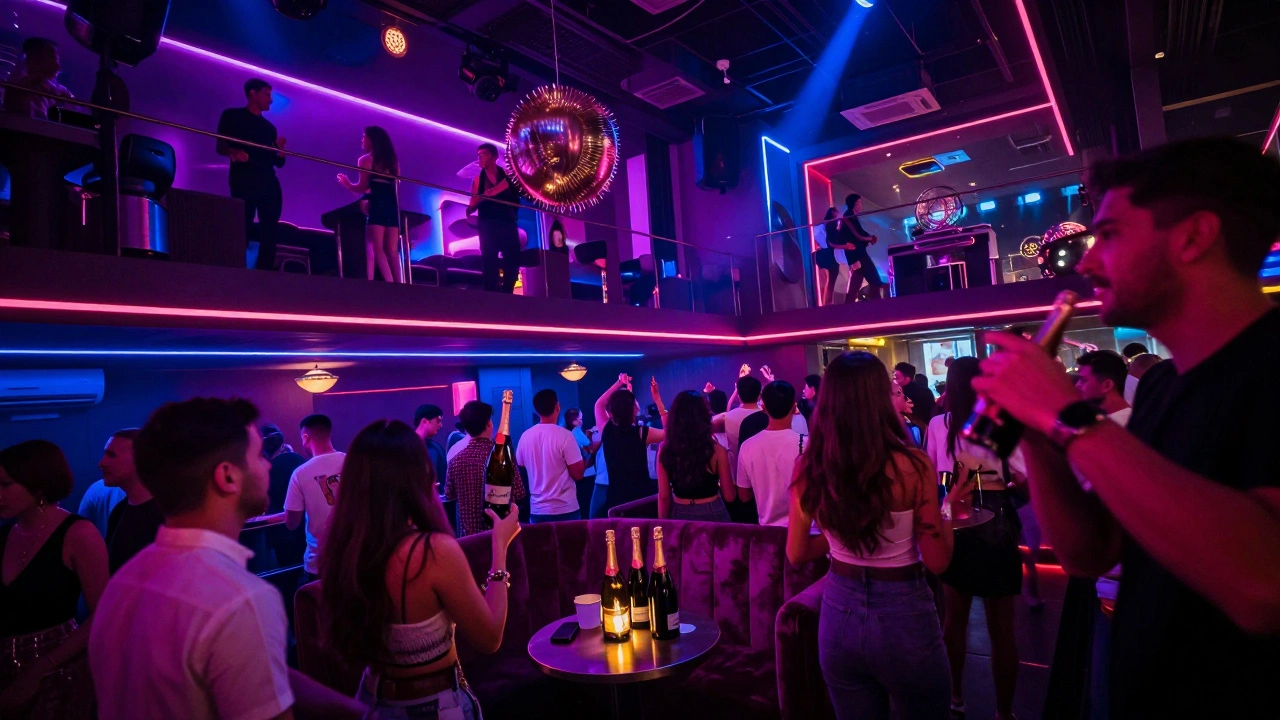
The nightlife scene in Bangkok is where holiday surcharges hit hardest. The entry model changes drastically depending on the venue type and the specific night.
At mid-range clubs like Insanity Sukhumvit, a popular multi-level nightclub in Bangkok's Sukhumvit district or Sugar Club, a well-known dance club in central Bangkok, you can expect a cover charge of around 300 THB. This usually includes one or two free drinks. On regular nights, entry is often free before 10 PM. On festive nights, that window shrinks, and the cover becomes mandatory earlier.
High-end venues operate differently. Places like Sing Sing Theater, a famous cabaret-style nightclub in Thong Lor, Bangkok or Beam, an upscale music venue in Bangkok known for international DJs charge between 500 and 1,000 THB just to get through the door. Drink prices inside start at 275 THB, but bottle service is where the real spending happens.
| Venue Tier | Cover Charge | Drink Price | VIP Table Minimum |
|---|---|---|---|
| Mid-Range (e.g., Insanity) | 300 THB | 200-300 THB | 15,000 THB |
| High-End (e.g., Sing Sing) | 500-1,000 THB | 275-400 THB | 30,000-100,000+ THB |
| Rooftop Bars | Free - 500 THB | 400-1,500 THB | N/A |
Here is the critical detail most travelers miss: VIP table minimums do not include the 10% service charge or 7% VAT. If you book a table with a 15,000 THB minimum, you are actually committing to 17,550 THB. During festive nights, these minimums can increase by another 20-40%. So that 15,000 THB minimum becomes 21,000 THB, and after taxes and service charges, you’re looking at nearly 25,000 THB. The math compounds quickly.
Rooftop Bars and Luxury Experiences
Rooftop bars offer the best views, but they also command the highest markups. The iconic Sky Bar at Lebua, a famous rooftop bar in Bangkok featured in the movie The Hangover Part II is a prime example. Their signature cocktails, including the Hangover-themed specialty drinks, cost approximately 1,500 THB. Non-alcoholic options aren’t much cheaper at 900 THB.
Compare this to a standard local beer (Chang) which costs 100 THB at a casual venue, or an imported beer at 180-220 THB in a trendy spot. The premium for the view and the ambiance is steep. During peak season, these prices tend to hold firm or increase slightly, as the demand for sunset views remains constant regardless of the weather.
Market segmentation plays a huge role here. Venues cater to different demographics with different price points. Tourists from Gulf Cooperation Council (GCC) countries often experience VIP pricing tiers ranging from 6,000 to 12,000 THB for high-end clubbing with bottle service. European markets might see peak-period rooftop pricing between 5,000 and 10,000 THB per person for a full evening. Understanding which segment you fall into helps you gauge whether you’re getting a fair deal or if you’re being priced out by international demand.
Songkran vs. December: Different Kinds of Spikes
Not all holidays are created equal in terms of cost. December and January represent the "high season" for general tourism, driven by cooler weather and Western holidays. This drives up accommodation costs across the board, affecting everything from hostels to five-star resorts.
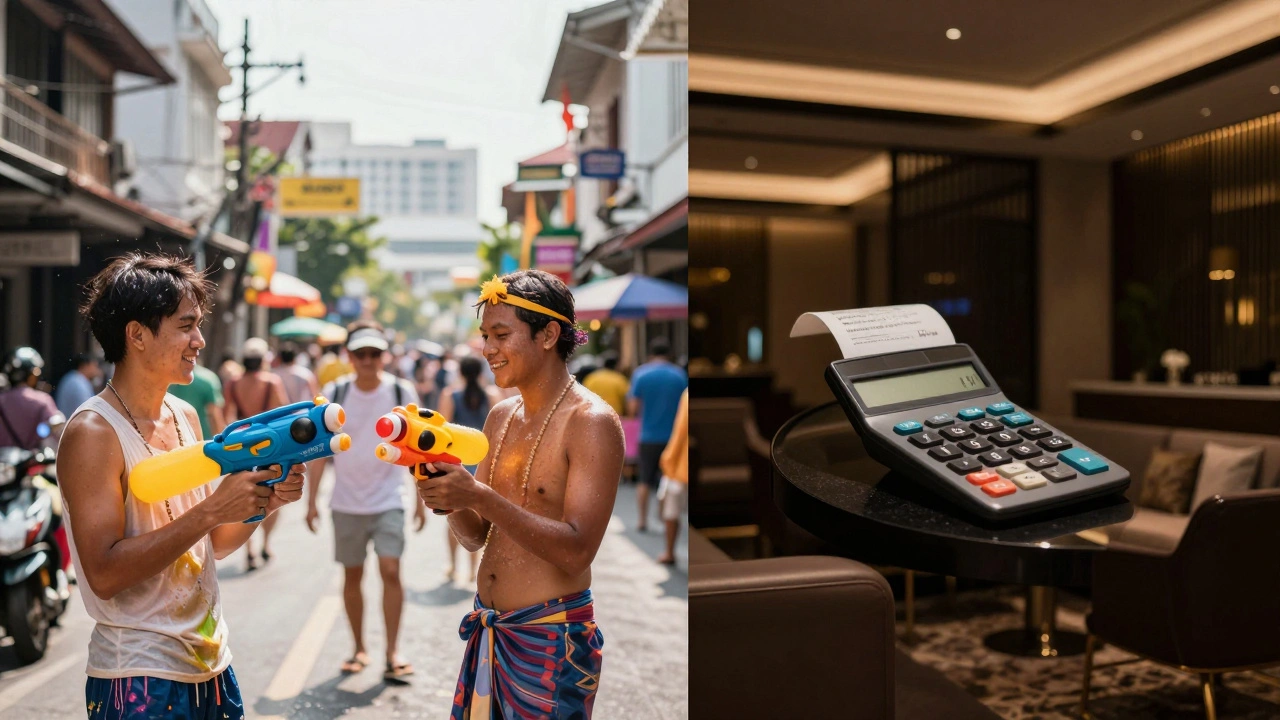
Songkran, however, is a domestic and regional phenomenon. While accommodation prices rise, the spike is more concentrated in specific areas like Khao San Road and Patpong. The difference is in the atmosphere. December is about luxury dining and rooftop parties. Songkran is about street parties, water guns, and casual drinking. You might pay more for a room during Songkran, but you’re less likely to spend thousands on VIP tables because the vibe is more chaotic and communal. Plan your budget accordingly: December requires a larger cash reserve for nightlife, while Songkran requires budget for transport and hydration.
How to Mitigate the Costs
You can’t change the dates of the holidays, but you can control how much you pay. Here are practical strategies to reduce the impact of festive surcharges:
- Book Early: Advance reservations made 2-3 months ahead can save you 20-30% compared to last-minute bookings. Hotels and tour operators release limited inventory at lower rates early on. Once that stock sells out, prices surge.
- Look for Shoulder Seasons: If your schedule allows, March and October offer a compromise. The weather is decent, and prices haven’t hit the December peak or the Songkran spike.
- Check for Promotions: Chains like Centara Hotels & Resorts, a major hotel chain in Thailand offering various promotions often run discounts for longer stays (e.g., 3+ nights). These deals can offset the daily rate increases.
- Understand Tipping: Since the 10% service charge is mandatory, additional tipping is optional. For casual meals, leaving 20-40 THB is sufficient. For upscale experiences, 100-200 THB shows appreciation. Don’t feel pressured to tip more just because it’s a holiday; the service charge already covers the staff’s base compensation.
Daily Budget Impact
To put this all in perspective, let’s look at the daily cost. A mid-range traveler might spend around 3,000 THB per day in the low season (May-September). During the December holidays, that number jumps to 4,500-5,000 THB. That’s a 50-65% increase. This isn’t just inflation; it’s the cumulative effect of accommodation premiums, venue surcharges, and seasonal pricing adjustments.
By understanding the structure-the 10% service charge, the 7% VAT, and the 30-50% seasonal premium-you can plan your expenses more accurately. You’ll know that a 1,000 THB dinner bill will actually cost 1,170 THB, and that a 5,000 THB VIP table is really a 5,850 THB commitment. Knowledge is power, especially when your wallet is on the line.
Is the 10% service charge mandatory in Bangkok?
Yes, the 10% service charge is mandatory for all registered restaurants, bars, and hotels in Bangkok. It is included in your bill automatically and is not optional. You do not need to add an additional tip unless you want to reward exceptional service.
How much does VAT add to my bill?
VAT adds 7% to your total bill. Combined with the 10% service charge, you should expect to pay 17% more than the listed menu price for any food, drink, or service.
Do VIP table minimums include taxes and service charges?
No, VIP table minimums typically do not include the 10% service charge or 7% VAT. These are added on top of the minimum spend. Always confirm the final estimated cost with your server before booking.
What is the most expensive time to visit Bangkok?
The most expensive period is from late November through February, peaking around Christmas and New Year’s Eve. Accommodation and entertainment prices can be 30-50% higher than in the low season.
Does Songkran affect prices as much as New Year's?
Songkran causes price spikes, particularly for accommodation near party zones, but it generally doesn't reach the same luxury premium levels as December. The nightlife experience is more casual and less focused on high-end VIP spending.
Write a comment