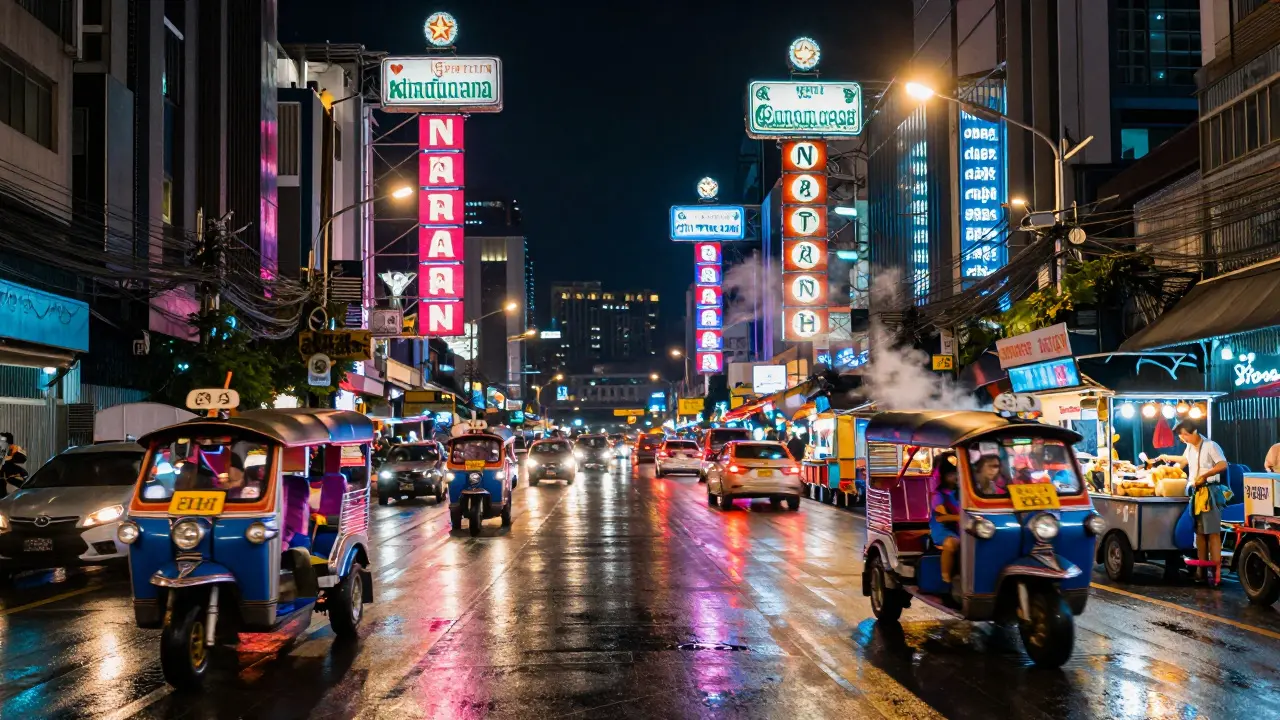
Walking down Sukhumvit Road at night feels like stepping into a different world. The neon lights of Nana Plaza reflect off the wet pavement, tuk-tuks weave through traffic with chaotic precision, and the air hums with a mix of street food aromas and bass-heavy music. For many travelers, this energy is intoxicating. But beneath the surface of Bangkok’s vibrant nightlife lies a complex web of legal restrictions, cultural nuances, and genuine safety concerns that every visitor needs to understand before they step out.
If you are looking for information on Bangkok escort services or similar adult-oriented queries, it is crucial to pause and understand the reality on the ground. Thailand has strict laws regarding prostitution, and while the industry exists in the shadows, engaging in it carries significant legal risks, potential scams, and serious health dangers. This guide isn't about finding illegal services; it's about helping you navigate the city safely, respectfully, and legally so you can enjoy what Bangkok truly offers without compromising your safety or freedom.
Understanding the Legal Landscape
The first thing you need to know is that prostitution is illegal in Thailand. The Anti-Prostitution Act of 1996 makes soliciting, procuring, and operating brothels criminal offenses. While enforcement varies-sometimes turning a blind eye to certain areas-the law remains on the books. Tourists who engage in these activities risk heavy fines, deportation, and even imprisonment. There have been numerous cases where foreign nationals were arrested during police raids in red-light districts like Patpong or Soi Cowboy.
Why does this matter? Because ignorance of the law is not a defense. Many visitors assume that because something is visible or advertised, it must be legal. In Bangkok, visibility does not equal legality. Scammers often prey on tourists by posing as sex workers or offering fake services to lure them into isolated areas where robbery or assault can occur. Understanding that these activities are outside the law helps you recognize when you are being targeted by criminals rather than participating in consensual entertainment.
Safety First: Recognizing Common Scams
Bangkok is generally safe for tourists, but the nightlife scene attracts opportunistic criminals. One common scam involves individuals approaching you on the street claiming to be escorts or inviting you to exclusive bars. These people often work with bar owners to trap you in high-pressure environments where you are forced to buy overpriced drinks. When you try to leave, you may find yourself held against your will until you pay an exorbitant bill.
Another prevalent tactic is the 'drink switch' scam. A friendly stranger buys you a drink, then swaps it with one laced with sedatives. Once you're incapacitated, you wake up with your wallet empty or facing unexpected charges. To protect yourself, never accept open drinks from strangers, keep your phone charged and accessible, and always let someone know your whereabouts. If you feel uncomfortable, trust your instincts and leave immediately. Your safety is more important than any social obligation.

Cultural Respect and Local Etiquette
Thailand is known as the 'Land of Smiles,' but this hospitality comes with expectations of respect. Thai culture places high value on dignity, family, and religious reverence. Public displays of affection, loud behavior, or disrespectful gestures toward monks or the royal family can lead to serious social backlash or legal trouble. When exploring nightlife areas, dress modestly if you plan to visit temples later in the day, and avoid confrontational language.
Respecting local customs goes beyond just following rules-it shows appreciation for the host country. Simple actions like removing shoes before entering homes or small shops, using polite language (khop khun ka/khrap), and tipping appropriately go a long way in building positive interactions. Locals notice when tourists make an effort to blend in respectfully, and this often leads to warmer, more authentic experiences.
Legal Alternatives for Nightlife Enjoyment
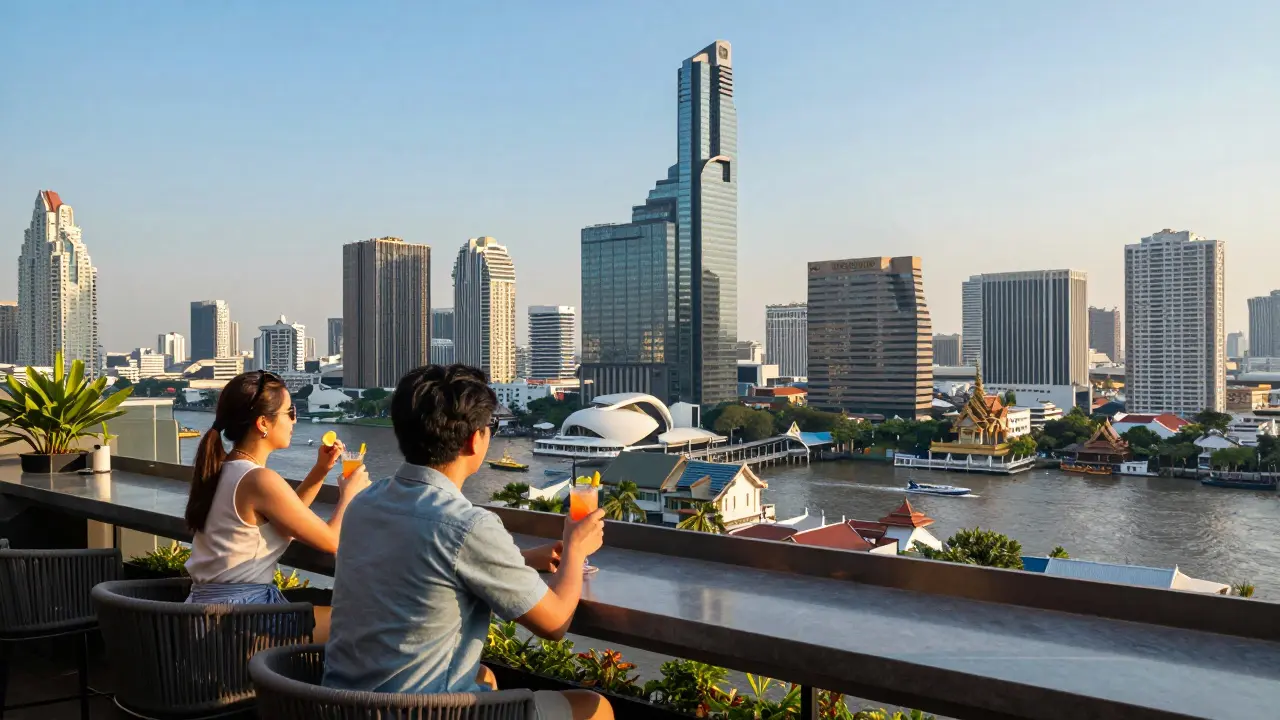
Bangkok offers some of the best nightlife in Southeast Asia, all within legal boundaries. Rooftop bars like Sky Bar at Lebua offer stunning views of the skyline, while live music venues in Ari and Thong Lor provide great entertainment without the risks associated with underground industries. Clubbing in areas like Khao San Road is lively and affordable, catering to backpackers and party-goers alike.
If you are interested in learning more about legitimate entertainment options, resources like escort Bangkok directories often redirect to general nightlife guides or event listings that highlight legal clubs, concerts, and social gatherings. Always verify the legitimacy of any venue beforehand by checking reviews on trusted platforms. Engaging in legal nightlife ensures you support local businesses ethically and stay protected under consumer protection laws.
Health Considerations and Personal Responsibility
Even if you choose to engage in risky behaviors, understanding health implications is vital. Sexually transmitted infections (STIs) are present in all communities, including those involved in informal sex work. Condom use is critical, but access to clean supplies can be inconsistent in unregulated settings. Additionally, drug use in nightlife scenes poses severe health risks, including overdose and contamination. Thailand has zero tolerance for drug possession, with penalties ranging from life imprisonment to death for trafficking.
Personal responsibility means making informed choices. Carry basic first aid, know the location of nearby hospitals, and consider travel insurance that covers medical emergencies. Avoid mixing alcohol with unfamiliar substances, and never leave your drink unattended. Prioritizing your physical well-being allows you to enjoy your trip fully without lasting consequences.
Planning Your Trip Responsibly
Before traveling to Bangkok, research reputable accommodations in safe neighborhoods like Silom, Sathorn, or Sukhumvit. Use official taxi apps like Grab instead of hailing random cabs, which can sometimes involve meter tampering. Keep copies of your passport and visa documents separate from the originals. Register with your embassy upon arrival for emergency assistance.
Create a daily itinerary that balances exploration with rest. Visit major attractions like Wat Arun or Chatuchak Market during daylight hours when crowds are manageable and security is higher. Reserve evenings for dining at renowned restaurants or attending cultural performances such as Alcazar Show or Siam Niramit. These experiences showcase Thai talent and tradition without exposing you to unnecessary risks.
Is prostitution legal in Bangkok?
No, prostitution is illegal in Thailand under the Anti-Prostitution Act of 1996. While it exists informally in certain areas, participants face legal risks including fines, deportation, and imprisonment.
What are common scams in Bangkok nightlife?
Common scams include fake escorts leading to overpriced bars, drink switching, and forced consumption. Always decline drinks from strangers and leave immediately if pressured.
How can I stay safe while exploring Bangkok at night?
Use licensed transportation apps, stay in well-lit areas, avoid isolated streets, and keep valuables secure. Inform friends of your plans and carry emergency contact numbers.
Are there legal alternatives to red-light districts?
Yes, Bangkok offers numerous legal nightlife options including rooftop bars, live music venues, comedy clubs, and cultural shows that provide exciting experiences without legal risks.
What should I do if I encounter illegal activities?
Avoid involvement entirely. Do not photograph or participate in illegal acts. Leave the area calmly and report suspicious activity to local authorities if safe to do so.
Write a comment